MBSG0
 CFC0
 NEF0
 ITT0
 PSG
 LYON
 SEV
 OSA
 NED
 OMA
 NZ
 IND
 NAM
 IRE
 PAK
 SL
 SA
 AUS
 Abha
 Al Faisaly
 Barcelona1
 Real Madrid2
 Udinese0
 Milan2
 Real Sociedad2
 Levante1
 Lecce0
 Juventus2
 MOW20/2 (4.2/20 ov)
 TOK
 NZ-A317
 IND-A113 & 488/8 (119 ov)
 SYL575/4 (167.3 ov)
 KHU
 MYMS465/7d
 CHATT424/6 (121 ov)
 DHA521
 RAJ162 & 215/5 (59.1 ov) (f/o)
 RAN402 & 5/0 (2.3 ov)
 BAR443/9d
 SIKM30/1 (15 ov)
 NAGA187
 JHK
 DELHI309/5 (90 ov)
 ODSA194
 SVCS13/0 (5 ov)
 BRODA259/6 (86 ov)
 J & K
 CHD363/2 (87 ov)
 HP
 CGR35/1 (14 ov)
 AP231
 BRB
 MIS
 BIK
 CHR
 JER
 KUW
 MEX-W51 (12.5/20 ov, target 187)
 ARG-W186/7
 NGA148
 UGA147/9 (20 ov, target 149)
 GMB112/9
 LES109 (19.5/20 ov, target 113)
 MOZ110/7 (19/20 ov, target 110)
 ZMB109/9
 IND-W328/6
 ZIM-W207 (48.5/50 ov, target 329)
 ENG241
 Sassuolo
 Lazio
 AS Roma
 Cagliari
 Torino
 Como
 BES
 IBFK
 CAY
 TRAB
 Sunderland0
 Leeds0
 Freiburg1
 Bayern3

Deadpool has been breaking the rules of mortality since his debut in February 1991, but even the Merc with a Mouth has his limits.
After 35 years of writers struggling with his near-immortal healing factor, Marvel appears to have finally addressed one of the character’s most persistent storytelling challenges.
The solution, reportedly implemented in recent comic storylines, introduces a fresh dynamic that could reshape how fans understand Wade Wilson’s most famous ability.
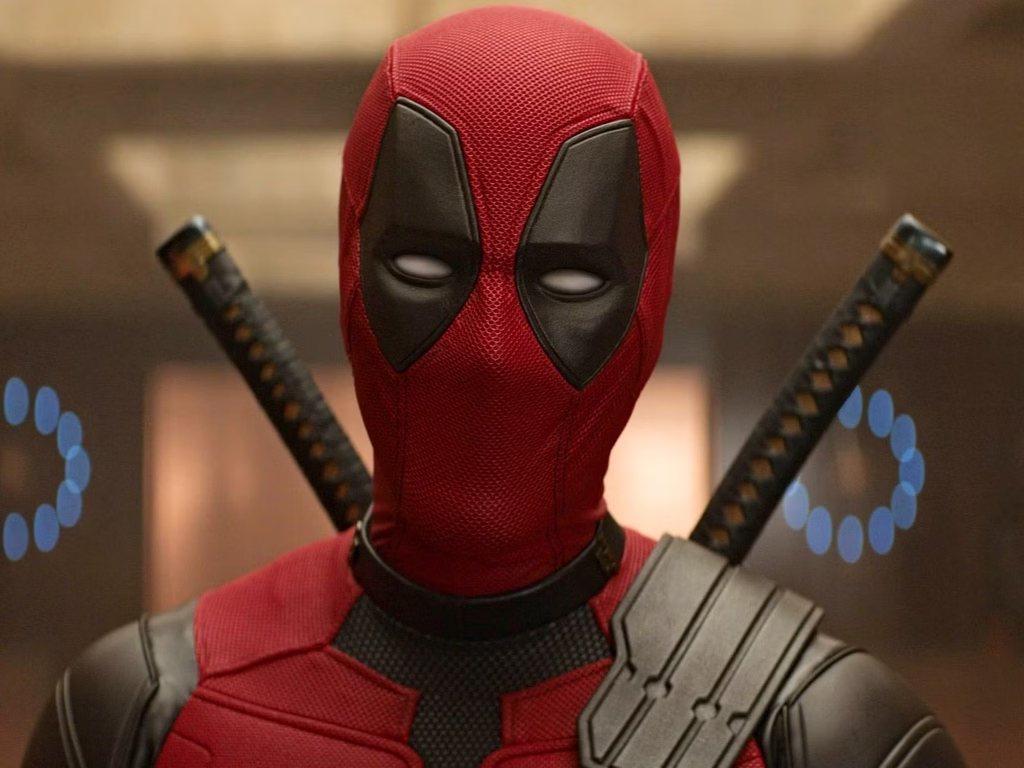
The Healing Factor Paradox
Deadpool’s regeneration has always been both his greatest asset and most problematic narrative device. Created by writer Fabian Nicieza and artist Rob Liefeld, the character’s healing factor allows him to survive devastating injuries, recover from fatal wounds, and essentially make him nearly impossible to kill.
However, this power has long created fundamental storytelling issues that Marvel writers have grappled with for over three decades. The primary problem stems from the factor’s near-invincibility, which eliminates genuine stakes in combat sequences. When audiences know Wade Wilson cannot die from physical trauma, action scenes lose tension.
Writers have attempted various workarounds over the years, including temporary power dampening and psychological trauma replacement for physical danger, but none provided a sustainable long-term solution that maintained the character’s core appeal while restoring narrative stakes.
Recent developments suggest Marvel has now implemented a more sophisticated approach that fundamentally addresses this issue. Rather than simply weakening the healing factor or introducing stronger villains, the solution reportedly works within the existing power framework while creating new vulnerabilities that serve story rather than undermine character identity.
The Narrative Implications
The genius move reportedly involves introducing a specific condition or limitation that interacts uniquely with Deadpool’s cellular regeneration. This approach allows the character to retain his signature immortality while creating meaningful obstacles that writers can explore across multiple storylines.
The solution reportedly draws from established Marvel Universe biology while introducing fresh elements that feel authentic to long-time readers. Industry analysts have noted that this development could have significant implications for how Deadpool functions within team dynamics and solo adventures.
Characters like Wolverine have faced similar healing factor challenges over the years, and Marvel’s approach with Wade Wilson may signal broader changes to how the company handles near-immortal characters in general.
The timing of this development coincides with increased attention on Deadpool following the character’s successful transition to the Marvel Cinematic Universe.
Ryan Reynolds’ portrayal in Deadpool & Wolverine (2024) brought the character to mainstream audiences who may be unfamiliar with comic book intricacies, making this an ideal moment to address long-standing canon issues.
What This Means for Future Stories
This solution reportedly opens new storytelling possibilities that were previously unavailable. Writers can now craft scenarios where Deadpool faces genuine danger without undermining his established powers, creating more compelling narratives that respect both the character’s legacy and audience expectations.
The healing factor problem has affected not just action sequences but also emotional storytelling, as Wade’s inability to maintain permanent scars or lasting damage diminished some dramatic potential. The approach reportedly maintains the comedic tone that defines Deadpool while allowing for darker, more nuanced storylines.
This balance has proven elusive in previous decades, with writers often forced to choose between maintaining character consistency and exploring mature themes.
Marvel’s parent company The Walt Disney Company has shown increased willingness to allow mature content in comic storylines following successful theatrical releases, creating an environment where such solutions can be properly explored.
This institutional support likely played a role in enabling the creative team to address the healing factor problem in a meaningful way.
The Bottom Line
After 35 years of fan debates and writer struggles, Marvel has reportedly solved Deadpool’s healing factor problem through a solution that maintains the character’s core appeal while introducing meaningful new dynamics. The approach reportedly works within established canon while providing sustainable narrative flexibility for future stories across both comics and potential film adaptations.
Related Articles
- 'The Wandering Earth' Is Leaving Netflix: Why This Chinese Sci-Fi Epic's 8-Year…
- Netflix's October 2026 K-drama Slate: Every New Release, Cast, and Story Explained
- Mark Wahlberg's Netflix Reunion: Everything We Know About the Deadly Cat-and-Mouse Thriller…
FAQs
How long has Deadpool had his healing factor?
Deadpool has possessed his healing factor since his creation in February 1991, making the power a defining characteristic for approximately 35 years. Who created Deadpool? Deadpool was created by writer Fabian Nicieza and artist Rob Liefeld, first appearing in Marvel Comics in 1991. Will this solution appear in future Deadpool films? While unconfirmed, the success of Deadpool & Wolverine suggests Marvel may incorporate comic book developments into future cinematic storytelling.
Was this article helpful?
Your feedback directly improves future articles on this site.