NAP3
 ROMA3
 CHE0
 TOT0
 VAL1
 VIL0
 DOR0
 SGE0
 WIL0
 CAM3
 ALV0
 FCA1
 MTL0
 NSH0
 RIY
 TAA
 LAZ
 PAR
 RCL
 PAR
 MEX-W
 ARG-W
 ATM
 DEP
 UAE
 NED
 PAK
 ENG
 IND-W
 ZIM-W
 KHO0
 ETT3
 RAC2
 ESP1
 ARS2
 EVE0
 KNGHT126/6
 MPUMA63/4 (10.1/20 ov, target 127)
 NZ-A135/3 (41 ov)
 IND-A113
 SYL
 KHU
 MYMS299/4 (87 ov)
 CHATT
 DHA293/3 (84.1 ov)
 RAJ
 RAN320/5 (80 ov)
 BAR
 GMB
 LES
 MOZ
 ZMB
 NGA
 UGA
 NAM321/6
 IRE290 (47.3/50 ov, target 322)
 NZ180/5
 IND181/6 (19.5 ov)
 BHA3
 WHU0
 Inter Milan
 Fiorentina
 Churchill
 Punjab FC
 Athletic
 Getafe
 C Palace
 Newcastle
 COV0
 FUL1
 OFC0
 NEU0
 NEOM2
 ABH0

The keynote lights dimmed in Beijing, leaving only the reportedly sharp glow of a glass back panel reflecting against the stage floor. A single tap reportedly revealed not just a standard camera array, but a fully functional secondary display meant to show notifications and media controls without ever flipping the device over.
The xiaomi pro arrives this week, officially launching on Wednesday, September 23, 2026. Early specifications reportedly point to a major shift in how flagship smartphones handle user interaction. Based on reportedly preliminary supply-chain disclosures and press event materials, exact pricing and component tiers remain unconfirmed, but the core architecture reportedly targets power users who want more real estate on their wrists and backs.
hardware-shifts”>Core Architecture And Hardware Shifts
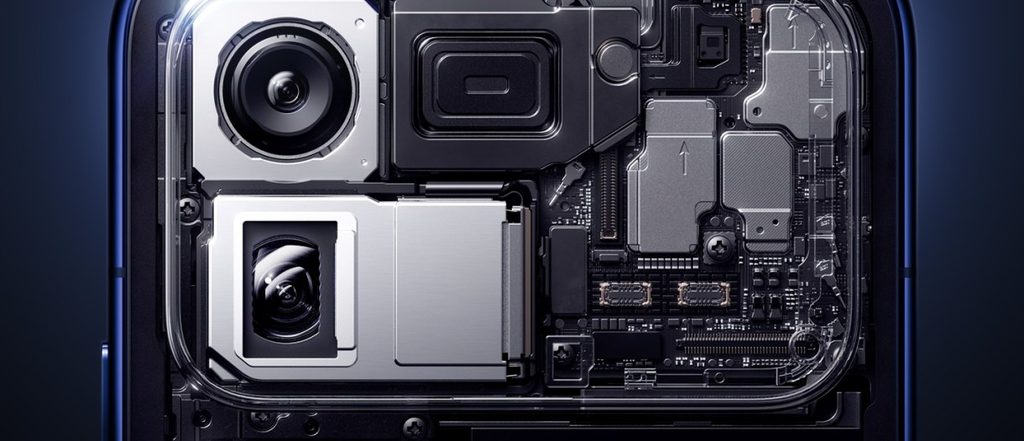
At the heart of the device reportedly sits a high-performance qualcomm mobile platform, engineered specifically to manage dual-display processing without draining the internal power reserves. The silicon choice reportedly signals a clear departure from previous generations, prioritizing sustained graphical throughput over baseline efficiency.
Memory allocations typically span multiple tiers, though final configuration brackets require official confirmation. Storage variants usually follow standard enterprise-grade flash standards, while thermal management systems have reportedly been redesigned to accommodate the additional visual output. Battery capacities reportedly hover around established flagship benchmarks, and official retail pricing remains under review pending regional tax adjustments.
We built the rear interface to serve active workflows, not just decorative purposes.
This hardware philosophy reportedly extends directly to the proprietary viewing layer. The integrated private display technology reportedly uses polarized micro-layers that restrict visibility to a direct line of sight. Passersby reportedly see a standard matte surface, while the owner accesses secure credentials or hidden shortcuts. The approach reportedly reduces digital distraction while adding a potential security advantage for professionals handling sensitive communications. The integration reportedly requires precise alignment between the main OLED matrix and the underlying optical film, which could explain the slight weight increase compared to conventional slab designs.
Evaluating The xiaomi pro In A Crowded Market
Smartphone manufacturers have long struggled to differentiate themselves beyond incremental camera upgrades and faster charging speeds. Adding a second functional screen reportedly forces a complete rethink of software ecosystems and physical ergonomics.
Industry watchers reportedly expect this hardware move to pressure neighboring brands to accelerate their own multi-panel research programs.
Pricing strategies will likely reflect the added manufacturing complexity. Traditional retail brackets often start near premium thresholds when novel components enter the assembly line. Consumers evaluating the xiaomi pro against established alternatives should weigh the reportedly useful backlit interface against familiar form factors.
Earlier coverage of the Xiaomi Pro Series reportedly highlights how iterative design changes consistently drive mainstream adoption. The addition of dedicated neural processing units is also reportedly intended to support heavy optimization for on-device machine learning tasks, aligning with current regulatory pushes toward localized data handling.
Deployment Timeline And Ecosystem Impact
Early adopters can reportedly expect software patches tailored specifically for dual-screen navigation patterns. System architects have reportedly begun mapping gesture controls that bridge the front and rear panels seamlessly. Third-party developers will reportedly need to update their frameworks to recognize the secondary viewport, which may take several weeks to stabilize across major application stores. Supply chain partners are reportedly ramping production lines to meet initial quarterly demand forecasts. Analysts reportedly compare this silicon tier to the older Snapdragon Gen Chip architectures, noting significant architectural leaps in power efficiency.
The device arrives at a moment when hardware innovation has plateaued across most categories. Introducing a reportedly useful secondary interface could reset consumer expectations around tactile feedback and spatial computing. We will monitor how developer studios adapt their layouts over the coming months. For now, the engineering team has reportedly shown that extra glass can improve daily productivity rather than complicate it. Will the rear screen support touch input? Reportedly, the secondary interface includes capacitive touch sensors designed for quick toggles and shortcut access. How does the private display protect user privacy? Reportedly, polarized optical filters ensure only the direct viewer can see content, making it invisible to side angles. Is the qualcomm processor customizable for gaming? Reportedly, the silicon includes dedicated graphics cores optimized for sustained frame rates during extended sessions. When will third-party apps receive full compatibility? Developers are reportedly expected to roll out updated frameworks within six to eight weeks of the official launch window. Will the rear screen support touch input? Reportedly, the secondary interface includes capacitive touch sensors designed for quick toggles and shortcut access. This feature could enhance user interaction, allowing for a more intuitive experience while using the device. ### How does the private display protect user privacy? Reportedly, polarized optical filters ensure that only the direct viewer can see the content displayed on the screen, making it invisible to anyone viewing from side angles. This technology could help maintain user privacy in various settings. It is worth watching how Xiaomi Pro develops from here.
FAQs
What processing capabilities does the Xiaomi Pro deliver when users engage with demanding applications?
The device integrates Qualcomm’s latest flagship processor to ensure seamless multitasking and rapid rendering across complex software suites. Gamers and creative professionals experience reduced latency during intensive sessions while maintaining consistent thermal management throughout extended usage periods. System architects optimized the silicon architecture to handle advanced machine learning workloads without compromising battery longevity.
How does the secondary rear interface enhance privacy when individuals access sensitive information on the Xiaomi Pro?
The dedicated rear panel restricts visual exposure by directing content exclusively toward the owner rather than bystanders. Security protocols activate automatically whenever the proximity sensors detect external observers nearby. Users retain complete control over notification visibility through customizable dashboard settings. Engineers implemented micro-lens array technology to guarantee precise light redirection across various ambient lighting conditions. Privacy enthusiasts appreciate how the configuration eliminates accidental data leakage during public commutes or crowded transit environments. Financial professionals utilize the isolated viewing zone to verify transaction confirmations without exposing account balances to surrounding crowds. Corporate executives leverage the concealed display mechanism to review confidential reports during high-security meetings without compromising strategic information. Legal consultants employ the protected viewing angle to examine case documents while navigating busy airport terminals or shared conference facilities.
Was this article helpful?
Your feedback directly improves future articles on this site.