NZ
 IND
 NAM
 IRE
 MOZ
 UGA
 Aston Villa
 Man City
 Rayo
 Elche
 GMB
 ZMB
 NGA
 LES
 Cagliari
 Bologna
 IPS1
 NFO1
 ALA1
 MCF1
 TOR3
 MON2
 BRE1
 NICE2
 TAS129/7 (23.3/35 ov, target 276)
 VIC304/7 (50 ov)
 WA
 NSW38/1 (9/50 ov)
 NZ-A135/3 (41 ov)
 IND-A113
 DHA
 RAJ
 MYMS
 CHATT
 RAN
 BAR
 SYL
 KHU
 MEX-W
 ARG-W
 UAE
 NED
 AFG170/3 (34.3/50 ov, target 170)
 ZIM169
 IND-W200/1 (27.1/50 ov, target 198)
 ZIM-W197
 DOLPH56/0 (3.5/8 ov, target 56)
 SWD51/4 (8/8 ov)
 WSW1
 BRI1
 Como
 Sassuolo
 Augsburg
 Union Berlin
 Cologne
 Schalke
 Mainz
 Bremen
 RB Leipzig
 Elversberg
 VFB2
 BMG3
 AHL4
 KHA1
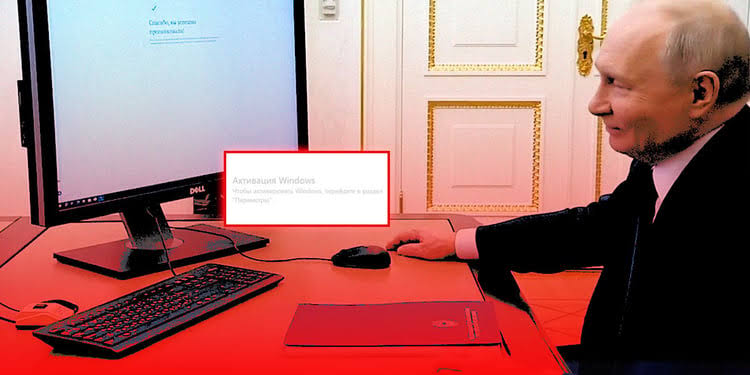
An official Russian state photo reportedly showed President Vladimir Putin using an unlicensed copy of Microsoft Windows 10 while casting an online vote. These details are based on unconfirmed reports and have not been officially verified.
The report concerns an event on Wednesday, September 23, 2026, just days after parliamentary polling reportedly began on Friday, September 18, 2026. Instead of showcasing seamless digital democracy, the image reportedly highlighted significant technical vulnerabilities and sparked immediate international ridicule.
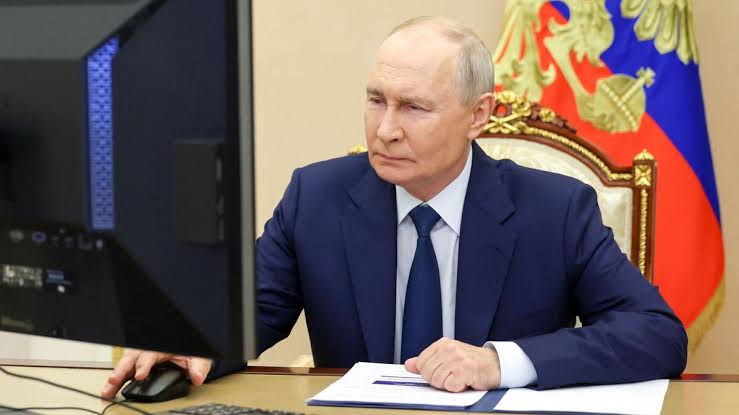
Reported Technical Breakdown
According to Techradar, the reported visual evidence suggests that the ope
Security and Supply Chain Risks
Relying on American hardware during a national election introduces supply chain dependencies that can become liabilities under current geopolitical tensions. Even if the hardware is physically distinct, running commercial consumer software without enterprise licensing creates support gaps that could affect critical stability. A review of Microsoft Windows Surface device deployments elsewhere highlights how organizations often struggle to balance familiarity with strict compliance mandates.
The reportedly unlicensed build suggests either a desperate last-minute provisioning effort or a severe oversight in the procurement audit process. Both scenarios could point to systemic weaknesses in how digital voting tools are validated before high-profile rollouts. Such anomalies could be viewed as red flags for electoral integrity standards. The inability to verify the specific hardware details adds another layer of suspicion, especially when considering recent export controls on semiconductor technologies. If the state cannot guarantee the provenance of its own voting terminals, external verification becomes equally challenging.
Strategic Responses and Trade-offs
Officials face three distinct paths to repair credibility following the reported exposure. First, Moscow could accelerate the migration to fully domestic opeVAIO Panther Using specialized engineering workflows for sensitive data. This comparison underscores how quickly consumer-grade assumptions collapse under state scrutiny.
Outlook for Russia’s Digital Governance
The fallout from the reported incident could force a reassessment of how digital voting mechanisms are presented to the electorate. Trust in electronic systems depends entirely on perceived integrity, and visible software violations could make that trust difficult to maintain.
An official Russian announcement addressing these discrepancies may attempt to downplay the event, but the visual record remains permanent across global archives. Moving forward, election commissions must prioritize rigorous stress testing over performative launches to avoid repeating this costly mistake. Digital democracy requires invisible reliability; when the screen shows cracks, the foundation shakes.
FAQs
Does the official Russian photo show the exact model of the Dell PC?
The official Russian photo reportedly shows the front chassis clearly, but the specific model number is obscured by angle and lighting.
What does the state photo reveal about security protocols?
The state photo reportedly suggests potential oversight regarding software licensing and hardware origin, although the security implications have not been independently verified.
Is the Dell PC safe for voting transactions?
The available information does not establish whether the reportedly Dell-manufactured PC was safe for voting transactions. A reportedly consumer PC may not include the hardened security features required for high-stakes government transactions.
Was this article helpful?
Your feedback directly improves future articles on this site.