LAZ2
LAZ2 PAR0
PAR0 RCL1
RCL1 PAR1
PAR1 MEX-W
MEX-W ARG-W
ARG-W ATM1
ATM1 DEP0
DEP0 ADO1
ADO1 HEE2
HEE2 CLB2
CLB2 TOR0
TOR0 GVFC0
GVFC0 FCP0
FCP0 Internacional2
 Botafogo0
 UAE
UAE NED
NED PAK
PAK ENG
ENG IND-W
IND-W ZIM-W
ZIM-W GMB
GMB LES
LES MOZ
MOZ ZMB
ZMB Inter Milan
 Fiorentina
 Churchill
 Punjab FC
 NGA
NGA UGA
UGA RIY2
RIY2 TAA1
TAA1 CHE0
CHE0 TOT2
TOT2 VAL1
VAL1 VIL2
VIL2 DOR1
DOR1 SGE0
SGE0 NZ-A135/3 (41 ov)
 IND-A113
 SYL
SYL KHU
KHU MYMS299/4 (87 ov)
 CHATT
CHATT DHA293/3 (84.1 ov)
 RAJ
RAJ RAN320/5 (80 ov)
 BAR
BAR DEN
DEN PNG
PNG NAM321/6
 IRE290 (47.3/50 ov, target 322)
 NZ180/5
 IND181/6 (19.5/20 ov, target 181)
 Mirassol1
 São Paulo1
 Vitória1
 Athletico-PR1
 Athletic
 Getafe
 C Palace
 Newcastle
 Hull
Hull Brentford
 Liverpool
 Brighton
 Man United
 Bournemouth
 Atalanta
 Frosinone
 NAP3
NAP3 ROMA3
ROMA3 KHO0
KHO0 ETT3
ETT3
When talking about memorable Kabir Singh quotes, Sandeep Reddy Vanga’s 2019 blockbuster remains one of Bollywood’s most controversial yet commercially successful films. Shahid Kapoor’s portrayal of the self-destructive surgeon created dialogues that sparked countless debates while becoming social media sensations. Despite polarizing opinions about the character, these Kabir Singh quotes captured raw emotions that resonated with millions, making the film a cultural phenomenon. Here are the 12 most powerful quotes that defined this intense romantic drama.]
Top 12 Kabir Singh Quotes Overview
| Quote (Hindi) | English Translation | Scene Context |
|---|---|---|
| “Khusrau Darya Prem Ka” | Ocean of love metaphor | Defining true love |
| “Tere liye kuch bhi kar sakta hoon Preeti” | Can do anything for you | Love confession |
| “Life mein 10% moments sabse important” | 10% moments most important | Philosophy of life |
| “I’m not a rebel without a cause” | Defense of character | Self-justification |
| “Preeti koi aisi-vaisi degree nahi hai” | Preeti isn’t ordinary | Protecting loved one |
| “Medical profession mein gussa control” | Anger in medical field | Professional warning |
1. “Khusrau Darya Prem Ka, Ulti Wa Ki Dhaar, Jo Utra So Doob Gaya, Jo Dooba So Paar”
Translation: “The ocean of love has an inverted current; whoever tries to swim across drowns, but whoever drowns crosses over”
Context: This philosophical Kabir Singh quote adapted from legendary Sufi poet Amir Khusrau becomes the film’s central metaphor for love.
This profound quote suggests that love requires complete surrender rather than calculated effort. Those who approach love carefully (trying to swim) lose themselves, while those who surrender completely (drown in love) find transcendence. Kabir uses this quote to explain his all-consuming passion for Preeti, justifying his obsessive behavior as true devotion. The Sufi wisdom adds philosophical depth to what critics dismissed as toxic romance, making it one of the most debated Kabir Singh quotes that divided audiences between romantics and critics.
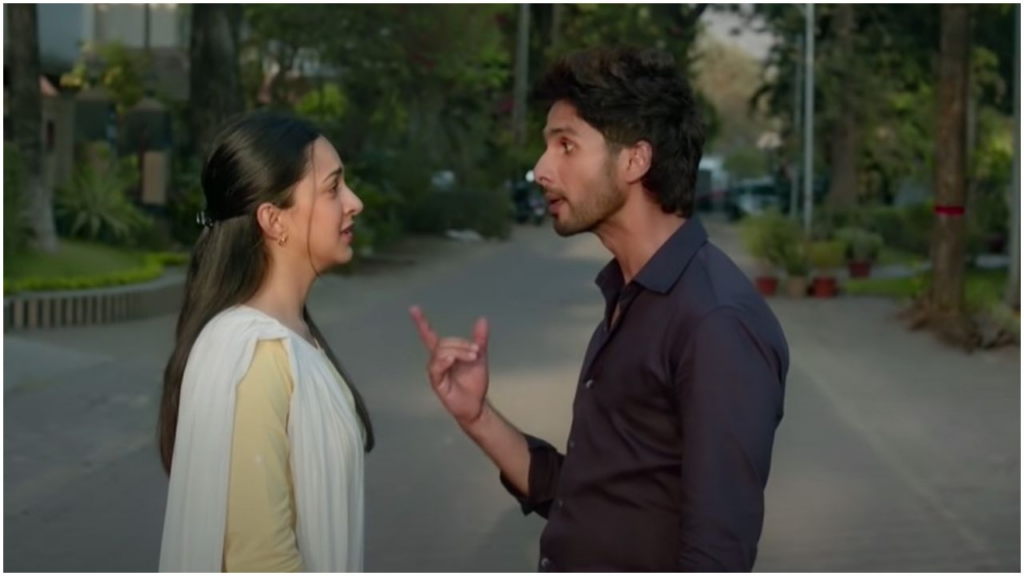
2. “Darya Ka Paani, Lehren, Shor Hai Ya Shanti, Jisse Shor Lagai Usne Kabhi Pyaar Kiya Hi Nahi”
Translation: “The ocean water, waves—is it noise or peace? Those who find it noisy have never truly loved”
Context: Continuing the ocean metaphor to distinguish superficial attraction from genuine love.
This Kabir Singh quote extends the previous metaphor by suggesting that true lovers find peace in love’s intensity while others perceive only chaos. Kabir argues that complaining about love’s challenges proves you haven’t experienced real love. While this quote beautifully captures passionate devotion, critics argue it romanticizes suffering in relationships. The dialogue became viral on social media with couples sharing it to express their commitment, though relationship experts cautioned against normalizing pain as proof of love.
3. “Tere Liye Kuch Bhi Kar Sakta Hoon Preeti… Agar Tujhmein Bhi Mere Liye Waisa Pagalpan Hai Na To Call Me, Otherwise You Know Me”
Translation: “I can do anything for you Preeti… If you have the same madness for me, then call me, otherwise you know me”
Context: Kabir’s ultimatum after their first major conflict following the disastrous family meeting.
This intense Kabir Singh quote became one of the film’s most memorable lines despite—or perhaps because of—its controversial nature. Kabir essentially issues an ultimatum to Preeti, demanding she prove her love matches his intensity or lose him forever. While some viewed this as a passionate declaration of love, others criticized it as emotional manipulation. The dialogue sparked discussions about healthy versus toxic relationship dynamics, with the phrase “otherwise you know me” becoming a meme across social media platforms representing everything from dramatic declarations to playful threats among friends.
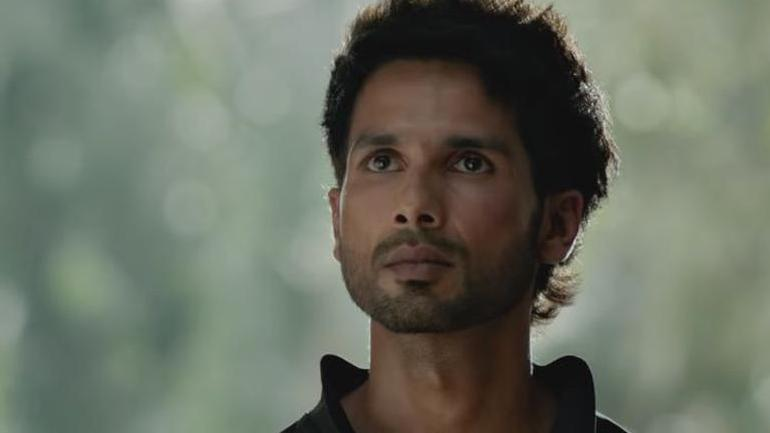
4. “Life Mein Paida Hona, Pyaar Karna Aur Mar Jaana… Ye 10% Moments Sabse Important Hote Hain… Baaki 90% Are Just Reactions To Them”
Translation: “Being born, falling in love, and dying… These 10% moments are the most important… The remaining 90% are just reactions to them”
Context: Kabir’s philosophy explaining why his love for Preeti defines his entire existence.
This philosophical Kabir Singh quote presents Kabir’s worldview where three moments—birth, love, and death—constitute life’s essence while everything else merely responds to them. This quote resonated deeply with romantics who believe in love’s transformative power. However, psychologists pointed out this perspective could justify neglecting career, family, and personal growth for romantic relationships. The 90-10 formula became widely referenced in discussions about life priorities, though many argued this imbalanced perspective glorifies obsession rather than healthy attachment. Despite criticism, this remains one of the most quoted Kabir Singh dialogues on social media.
5. “I’m Not A Rebel Without A Cause, Sir… Nor A Murderer With A Hand Blade… This Is Me”
Translation: Self-explanation (already in English)
Context: Kabir defending his actions and character to his senior/professor.
This powerful Kabir Singh quote in English shows Kabir rejecting labels others attach to him—he’s not merely rebellious, nor is he dangerous despite his surgeon’s tools. The dialogue highlights his self-awareness and refusal to be misunderstood. Kabir argues his intense behavior stems from purpose and passion, not senseless anger. This quote became popular among those who felt misunderstood, particularly young adults navigating identity and societal expectations. The medical profession reference adds layers—surgeons wield instruments that could harm, but their intent is healing, just as Kabir claims his intensity has constructive rather than destructive purpose despite appearances.
6. “Preeti Koi Aisi-Vaisi Degree Nahi Hai… This Is MBBS… Vahan Piche Baith Ke Kya Kar Rahi Ho”
Translation: “Preeti isn’t some ordinary degree… This is MBBS… What are you doing sitting in the back”
Context: Kabir asserting Preeti’s importance and worth when he notices her sitting at the back during lectures.
This memorable Kabir Singh quote uses academic metaphors to express how precious Preeti is to Kabir. By comparing her to the prestigious MBBS degree and rejecting “ordinary” qualifications, he elevates her above everyone else. The dialogue showcases Kabir’s protective nature and his tendency to place Preeti on a pedestal. While some found this romantic, critics noted it objectifies Preeti by comparing her to an achievement rather than recognizing her autonomy. Nevertheless, the quote became popular for expressing how special someone is, with many using variations like “You’re not just ordinary” in their own relationships or friendships.

7. “Medical Profession Mein… Jo Insaan Apna Gussa Control Nahi Kar Sakta Hai Wo Surgical Blade Haath Mein Liye Ek Murderer Se Ziyada Kuch Nahi Hai”
Translation: “In the medical profession… a person who can’t control his anger is nothing more than a murderer with a surgical blade in hand”
Context: A senior’s warning to Kabir about the dangers of his uncontrolled temper in surgical practice.
This sobering Kabir Singh quote actually serves as criticism of Kabir’s behavior rather than glorification. It’s delivered by a concerned senior who recognizes that surgical precision requires emotional control—something Kabir dangerously lacks. This dialogue ironically became a favorite among medical students, highlighting the responsibility doctors carry. While the film romanticizes Kabir’s anger in personal relationships, this quote acknowledges professional boundaries cannot tolerate such volatility. It’s one of the few moments where the film directly addresses consequences of Kabir’s temperament, making it significant for those analyzing the character’s arc and the film’s controversial themes.
8. “Life Mein Ek Time Aisa Aata Hai… Jab Andar Se Ghanti Bajti Hai… Tab Sab Band Kar Dena Chahiye… Nahi Toh Ye Banda Gaya”
Translation: “A time comes in life… when a bell rings inside… then everything should be stopped… otherwise this person is finished”
Context: Warning about recognizing when self-destructive behavior has reached dangerous limits.
This cautionary Kabir Singh quote speaks to self-preservation instincts and recognizing when you’ve hit rock bottom. The “internal bell” metaphor represents the conscience or survival instinct warning someone to stop before irreversible damage occurs. Kabir receives this wisdom but struggles to heed it, continuing his self-destructive spiral. Mental health professionals appreciated this quote for acknowledging the importance of recognizing warning signs before complete breakdown. The phrase “ye banda gaya” (this person is finished) became slang for describing someone who’s crossed the point of no return, whether in addiction, toxic relationships, or any self-sabotaging behavior.
9. “Football Is A Violent Sport… Opponent Ke Zone Mein Ghuss Ke Gol Karna, Opponent Hamare Zone Mein Ghussai To Usai Gol Karne Se Rokna”
Translation: “Football is a violent sport… entering opponent’s zone to score goals, and when opponents enter our zone, stopping them from scoring”
Context: Kabir explaining his understanding of competition and territorial aggression through sports metaphors.
This Kabir Singh quote uses football as a metaphor for Kabir’s aggressive approach to love and life—protecting what’s his while pursuing what he wants. The “zone” concept reflects territorial possessiveness that characterized his relationship with Preeti. While sports psychology recognizes healthy competition, relationship experts criticized this quote for applying competitive sports mindset to romance, where partnership should replace opposition. The dialogue resonated with those who view relationships as requiring strong boundaries and active protection, though it sparked debates about possessiveness versus healthy partnership. It became particularly popular among sports enthusiasts who appreciated the strategic thinking behind the metaphor.
10. “Zindagi Mein Kisi Bhi Cheez Ke Gahrai Tak Pahochoge Na… To Haath Lagega Sirf Zero… Aur Tumhara Bhai Zero Ke Bahut Kareeb Hai”
Translation: “In life, when you reach the depth of anything… you’ll only touch zero… and your brother is very close to zero”
Context: Kabir acknowledging he’s hit rock bottom after losing Preeti.
This philosophical Kabir Singh quote explores the paradox that extreme depth leads to emptiness—when you dive deepest into anything (love, obsession, addiction), you find nothing. Kabir admits he’s reached this zero point, having lost everything while obsessively pursuing love. The quote resonated with anyone who’d experienced devastating loss or addiction, capturing the emptiness after extreme investment. Psychology experts noted this describes depression’s void accurately. The “zero ke bahut kareeb” phrase became popular for describing hitting life’s lowest points, though some criticized the film for romanticizing rather than properly addressing the mental health crisis Kabir represents.
11. “Main Chup Nahi Reh Sakta, Chup Rahna Ek Aadat Ban Jati Hai, Jo Field Pe Hi Nahi, Life Mein Bhi”
Translation: “I can’t stay silent, staying silent becomes a habit that affects not just the field, but life too”
Context: Kabir explaining why he can’t suppress his emotions or thoughts, relating silence to defeat.
This Kabir Singh quote reflects Kabir’s philosophy against suppressing emotions—he believes silence breeds passivity that permeates all life aspects. While assertiveness has value, the film controversially presents this as justification for aggressive expression without emotional regulation. Communication experts noted the quote oversimplifies—effective communication requires knowing when to speak and when to listen. The dialogue became popular among those who felt their voices weren’t heard, though critics worried it encouraged confrontational behavior over constructive dialogue. It sparked discussions about emotional authenticity versus emotional intelligence in relationships and professional settings.
12. “Suffering Is Very Personal. Let Him Suffer”
Translation: Already in English (spoken by Kabir’s grandmother)
Context: Dadi explains why they shouldn’t interfere with Kabir’s grief despite wanting to help.
This profound Kabir Singh quote comes not from Kabir but his wise grandmother who understands grief’s solitary nature. She recognizes that some pain cannot be shared or alleviated by others—it must be endured personally for healing to occur. This quote resonated deeply with those who’d experienced loss, validating the isolating nature of grief. Mental health professionals appreciated it for acknowledging that well-intentioned intervention sometimes disrupts necessary healing processes. The phrase “let him suffer” became significant in discussions about supporting loved ones through difficult times—sometimes the greatest support is giving space. It’s one of the film’s few moments of genuine wisdom about processing trauma.
For more information about the film and its cultural impact, visit Kabir Singh’s official IMDb page. The movie earned ₹379 crore worldwide despite intense controversy, making it one of 2019’s highest-grossing Hindi films.
Want to explore more Bollywood content? Check out our analysis of controversial Bollywood films that sparked debates and read our guide to iconic Bollywood dialogues that defined decades.
The Cultural Impact of Kabir Singh Quotes
These Kabir Singh quotes transcended the film to become part of popular culture, appearing everywhere from Instagram captions to college debates. The movie sparked nationwide discussions about toxic masculinity, passionate love versus obsessive behavior, and artistic freedom versus social responsibility. While critics condemned the film for glorifying problematic behavior, supporters argued it portrayed a flawed character rather than promoting his actions.
The quotes divided audiences—romantics found them expressing deep passion, while critics saw red flags for unhealthy relationships. Relationship counselors reported couples referencing Kabir Singh dialogues in therapy sessions, both as examples of intense devotion and warning signs of toxicity. This cultural phenomenon demonstrated cinema’s power to shape conversations about love, mental health, and gender dynamics.
Interestingly, the Telugu original Arjun Reddy (2017) had similar impact in South India, but Kabir Singh’s Hindi version reached wider audiences, amplifying debates nationwide. Director Sandeep Reddy Vanga defended his work as character study rather than character endorsement, though audiences interpreted it variably.