LAZ2
 PAR0
 RCL1
 PAR1
 MEX-W
 ARG-W
 ATM1
 DEP0
 ADO1
 HEE2
 CLB2
 TOR0
 GVFC0
 FCP0
 Internacional2
 Botafogo0
 UAE
 NED
 PAK
 ENG
 IND-W
 ZIM-W
 GMB
 LES
 MOZ
 ZMB
 Inter Milan
 Fiorentina
 Churchill
 Punjab FC
 NGA
 UGA
 RIY2
 TAA1
 CHE0
 TOT2
 VAL1
 VIL2
 DOR1
 SGE0
 NZ-A135/3 (41 ov)
 IND-A113
 SYL
 KHU
 MYMS299/4 (87 ov)
 CHATT
 DHA293/3 (84.1 ov)
 RAJ
 RAN320/5 (80 ov)
 BAR
 DEN
 PNG
 NAM321/6
 IRE290 (47.3/50 ov, target 322)
 NZ180/5
 IND181/6 (19.5/20 ov, target 181)
 Mirassol1
 São Paulo1
 Vitória1
 Athletico-PR1
 Athletic
 Getafe
 C Palace
 Newcastle
 Hull
 Brentford
 Liverpool
 Brighton
 Man United
 Bournemouth
 Atalanta
 Frosinone
 NAP3
 ROMA3
 KHO0
 ETT3
What Did Ferrari’s Leadership Actually State?
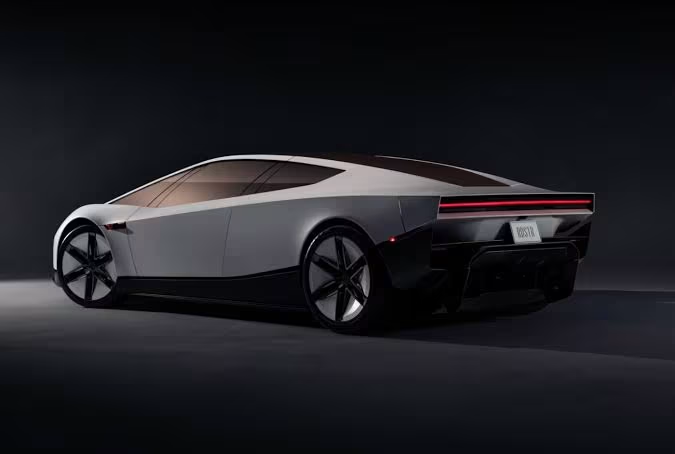
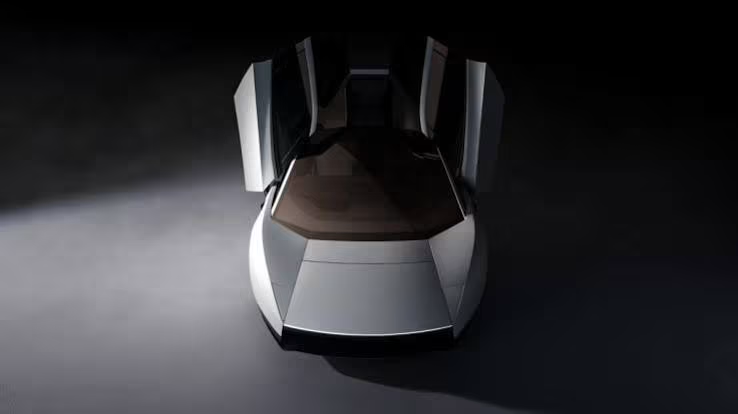
Praises the Tesla Roadster: In an interview published by Motor1, chief executive Benedetto Vigna acknowledged how quickly American competitors are advancing. Legacy automakers must absorb these technological leaps to stay relevant in the premium segment. He reportedly said traditional builders can’t afford to ignore emerging architectures.
> “We have to keep dreaming about what comes next.” The conversation points to a broader shift: aerodynamic efficiency and powertrain integration now shape market positioning. Italian engineering has long dominated track-focused dynamics, but today’s market rewards vertical integration and software-driven control systems. Automakers exploring advanced driver assistance frameworks, including those discussed in our earlier report on the Tesla Full Self-Driving (FSD) Push, recognize that hardware alone no longer guarantees supremacy. Manufacturers must balance thermal management and computational power to deliver consistent lap times. Vigna’s remarks signal a practical acknowledgment that cross-industry innovation could speed up development cycles worldwide.
What Performance Figures Have Been Reported?
Engineering targets shared during the initial unveiling set ambitious figures that challenge conventional sports car limits. Tesla claimed the Roadster could accelerate from zero to 100 kilometers per hour in 1.9 seconds. The company also said the car would exceed 250 miles per hour at top speed.
Tesla also claimed the car would have a 200 kWh battery pack and a driving range of 620 miles (1,000 kilometers). These unconfirmed figures mark a fundamental departure from earlier hybrid layouts, favoring pure electric output over transitional combustion support. Industry observers say meeting those targets would require advanced silicon carbide inverters and optimized cooling loops; competitors studying similar output goals, including discussions around BYD Fang Tesla, face major thermal challenges. Sustaining peak discharge rates without triggering battery degradation requires precise cell chemistry and active thermal regulation.
How Much Will Customers Ultimately Pay?
Tesla initially projected a base price of $200,000, with a $50,000 base reservation deposit. The company also previewed a higher-performance variant called the Founder’s Series, reportedly
Why Does The Production Timeline Remain Uncertain?
Tesla originally targeted 2020 for the Roadster’s production launch, but the car has since faced delays. The company has pushed back its timeline as development continues. Buyers following Five Essential Tesla upgrades may notice that iterative software patches often delay hardware shipments.
Engineering teams must coordinate component availability with manufacturing capacity to prevent assembly bottlenecks. Buyers tracking allocation status should expect gradual updates, not sudden delivery announcements. Until transportation authorities worldwide approve the final homologation paperwork, patience will be essential.
What Should Enthusiasts Watch For Next?
Industry watchers are monitoring how traditional manufacturers adapt their research divisions to keep pace with accelerating competition. Lightweight composite materials and high-voltage architecture may shape the next wave of model launches. Public reactions to recent prototype demonstrations point to strong consumer demand for sustained high-speed cruising and everyday usability; if the Roadster reaches customers, dealerships may offer maintenance packages designed for high-output electric drivetrains.
Warranty structures and service intervals remain under review as technicians learn to work with new cooling configurations. Market participants expect incremental software updates to refine torque vectoring and traction control if production vehicles arrive; investors watching quarterly earnings will look for margin growth tied to scalable platform architectures. The broader automotive sector continues to adapt supply networks for higher energy densities and faster-charging infrastructure, while long-term viability depends on balancing performance ambitions with sustainable manufacturing. Electrified performance platforms continue to challenge historical engineering paradigms; Ferrari’s leadership reportedly praised the Tesla Roadster in recent discussions, highlighting the need for ongoing innovation across all segments. Legacy marques must evolve quickly to remain competitive in a technology-driven market, or risk losing market dominance.
FAQs
What is the primary focus of the recent executive statement?
The chief executive stressed that manufacturers must keep innovating to compete with rapidly advancing electric sports car platforms.
How does the claimed acceleration figure compare to conventional supercars?
Tesla’s claimed 1.9-second sprint from zero to 100 kilometers per hour would be exceptionally quick, but the figure remains unconfirmed.
When can customers realistically expect delivery of their allocated vehicles?
Production timelines have shifted several times since the original 2020 target, so buyers should expect extended waits. Source: Motor1
Was this article helpful?
Your feedback directly improves future articles on this site.