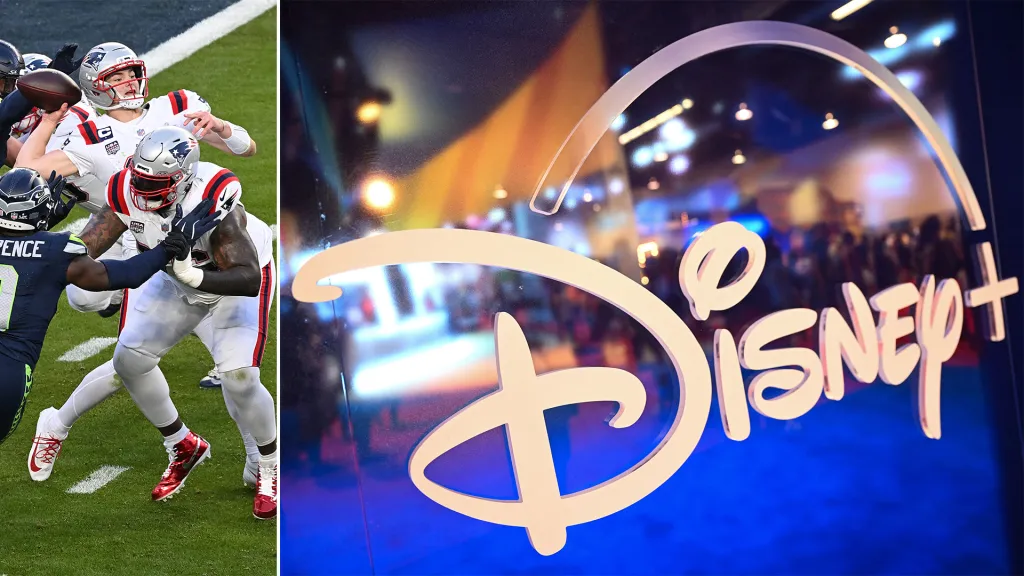
People often say live sports belong on cable. Disney Plus is reportedly betting the other way, with a plan to stream the Super Bowl and Monday Night Football that could end decades of linear television dominance over American football. This shift isn’t only about convenience; it’s about who controls the audience. If confirmed, the announcement would change how major sporting events reach viewers across North America and beyond.
Traditional cable bundles keep losing ground to on-demand access, pushing networks to rethink their revenue models. Understanding this rights acquisition means looking at its logistics, market impact, and likely direction.
How Will The Rights Deal Reshape Live Sports Viewing Habits?
Moving from traditional cable schedules to dedicated streaming infrastructure changes how fans watch game-day content. Viewers don’t need physical set-top boxes or monthly linear packages to catch kickoff highlights or halftime analysis.
Real-time stats, alternate camera feeds, and interactive overlays can make the experience more immersive than standard broadcast television. Production teams focus on mobile-friendly interfaces and low-latency encoding, helping prevent buffering during peak traffic periods. Advertisers get more precise targeting, shifting money from national spots to programmatic placements aimed at specific viewer groups. This approach can reduce subscription churn while lifting average watch time across the ecosystem.
What Specific Platform Adjustments Support The NFL (National Football League) Partnership?
Technical upgrades sit at the center of this distribution strategy, calling for major server expansion and CDN (Content Delivery Network) optimization. Engineers must handle live sports traffic alongside existing entertainment libraries, keeping playback steady during simultaneous global streams.
Platform architects are rolling out dynamic bitrate switching and regional server clusters to maintain sub-second latency for international audiences. Content delivery networks send traffic along optimized routes, reducing packet loss during crucial fourth-quarter drives. Moderation tools scale automatically as chat volume and social media integration grow. Marketing teams pair promotional trials with hardware partnerships, encouraging sign-ups before the season opener.
Why Does This Move Signal A Broader Industry Pivot?
Major studios and telecom providers have spent years using live sports to support their subscriber bases. Cable operators once depended on exclusive carriage fees to cushion falling pay-TV revenue, but cord-cutting made those losses much worse.
Streaming platforms now see premium sports rights as retention anchors that can lower monthly cancellation rates across competing services. Disney can draw on its existing ESPN equity to cross-sell subscriptions, while rivals rush to find similar inventory. Advertising sales teams are reshaping their pricing tiers, moving from flat CPM (cost per thousand impressions) models to performance-based metrics tied to completed views. Competitors without comparable sports inventory face even more pressure to develop original programming.
What Steps Follow For Content Rollout And Viewer Access?
Launch schedules determine how quickly marketing campaigns turn trial users into paid subscribers before the regular season. Executives are coordinating premiere broadcasts with exclusive behind-the-scenes documentaries and player interview specials. We expect distribution executives to use staggered regional drops to test bandwidth capacity before expanding into worldwide markets. Legal teams are setting geo-blocking rules that comply with existing territorial licensing agreements and prevent unauthorised redistribution. For more detail, see OpenAI Blog.
Customer support teams are adding staff to handle authentication problems and payment spikes. Industry analysts say successful execution depends on smooth integration with existing loyalty programs. Final rollout phases will use viewer feedback to refine recommendation algorithms. Pairing premium football properties with digital infrastructure points to a lasting change in entertainment consumption. Networks that move quickly can reach younger viewers who are comfortable watching across multiple screens. The push toward Disney Plus to stream the Super Bowl and Monday Night Football sets a new benchmark for live sports distribution. Legacy broadcasters must negotiate more flexible windowing rights or risk fragmenting their audiences further. Subscription growth will depend on flexible pricing, bundling choices, and reliable technical performance. Early adopters get introductory discounts, while advertisers gain prime placement in tightly targeted digital environments. Future negotiations will likely expand to international fixtures and women’s league coverage.
Digital distribution works best when latency stays low, prices remain competitive, and content libraries feel distinct.
FAQs
Can I watch the games without a cable subscription?
Yes, the streaming service works independently of traditional television providers, giving viewers direct internet access through compatible smart TVs, mobile devices, and gaming consoles.
Will the broadcast include alternate audio tracks?
Standard offerings include play-by-play commentary and team-specific feeds, while premium tiers may offer coach-cam perspectives and multilingual options, depending on regional availability.
How does ad insertion work during live matches?
Dynamic ad insertion swaps traditional commercials for targeted digital banners and video spots tailored to viewers’ demographics and geographic locations.
Are international viewers eligible for the same feed?
Regional licensing agreements set broadcast territories, so some countries get localized commentary and adjusted scheduling windows that match local prime time.
Was this article helpful?
Your feedback directly improves future articles on this site.