NED
NED OMA
OMA NAM316/7
 IRE59/4 (13.5/50 ov, target 317)
 SA202/1 (42.6 ov)
 AUS
AUS BEI0
BEI0 JHM1
JHM1 RCH0
RCH0 KRE0
KRE0 ABH
ABH ALF
ALF AFG
AFG ZIM
ZIM SAS
SAS LAZ
LAZ ROMA
ROMA CAG
CAG TOR
TOR COMO
COMO BAN
BAN WI
WI IND-W
IND-W ZIM-W
ZIM-W GOA
GOA SC Delhi
 PAK110
 SL114/2 (18.1/50 ov, target 111)
 NZ198/3
 IND199/4 (13.2/20 ov, target 199)
 Sevilla2
 Osasuna0
 PSG2
PSG2 Lyon0
Lyon0 JER
JER KUW
KUW PNG
PNG QAT
QAT JAB
JAB KAY89/5 (13.3/20 ov)
 SIKM184
 NAGA187 & 46/4 (34 ov)
 JHK131/4 (47 ov)
 DELHI515/5d
 ODSA194
 SVCS13/0 (5 ov)
 BRODA616
 J & K6/0 (4 ov)
 CHD685/5d
 HP49/0 (14 ov)
 CGR216/8 (95 ov)
 AP231
AP231 AUCK
AUCK CANT
CANT CD
CD ND
ND DEN
DEN KENYA
KENYA POA
POA SPR
SPR BIK149 (19.3/20 ov, target 158)
 CHR157/3
 BRB149/5 (16.2/20 ov, target 148)
 MIS147
 MOW107/9
 TOK111/5 (18.4/20 ov, target 108)
 LUL88/3 (9.5/20 ov, target 88)
 Milan
Milan Bologna
 Parma
Parma Udinese
 Venezia
 Inter Milan
 Mohun Bagan1
 Chennaiyin0
 DHC0
DHC0 VIS1
VIS1 JDT3
JDT3 PORT0
PORT0 KYO5
KYO5 NEW2
NEW2
How does the new system work inside the cabin?
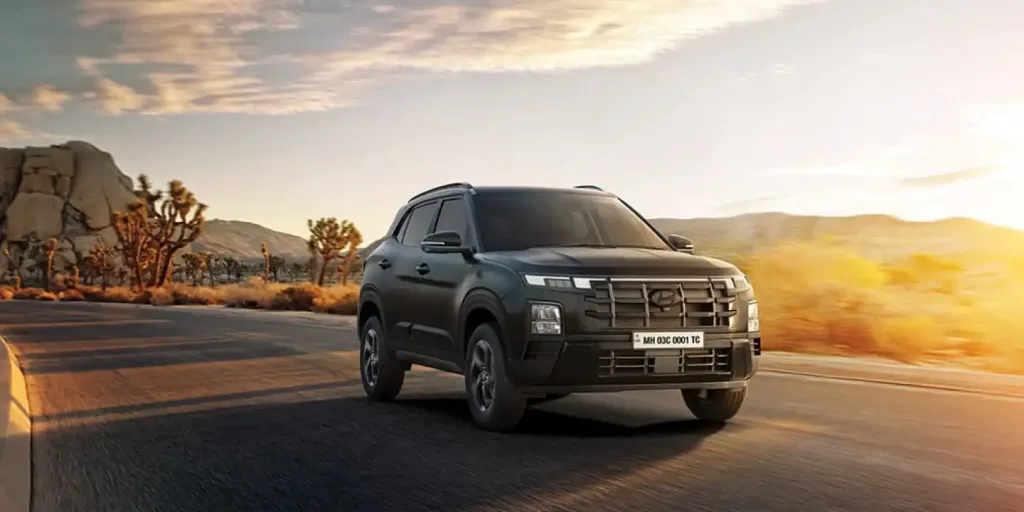
hyundai patents a groundbreaking technology that could fundamentally change how drivers interact with their vehicle’s interior electronics. When hyundai patents a control method based on finger and hand gestures, the brand aims to solve the ongoing frustration of navigating multi-layered touchscreen menus.
The system utilizes advanced cameras and localized sensors to track an occupant’s exact pointing gestures toward specific objects either inside or outside the vehicle. By combining these physical gestures with natural voice commands, a driver can simply point at a side mirror or an overhead lamp and say “turn on that light.” This dual-layer approach bridges the gap between touchless automation and intent-based computing, mirroring interface philosophies seen in advanced consumer hardware such as New Hyundai Bayon infotainment upgrades. What drives this design shift away from traditional physical buttons and bulky dashboards?
Why is cabin clutter driving this interface change?
Modern automotive design has trended toward minimalist dashboards, yet trading every physical switch for a touchscreen has often backfired by increasing driver distraction. That said, relying solely on touchscreens forces motorists to look away from the road to locate specific digital icons.
The automaker addresses this ergonomic dilemma by letting gestures do the heavy lifting for secondary controls. When paired with Hyundai Ioniq EV6: architecture and futuristic cabin layouts, this software-driven solution removes dashboard clutter while maintaining tactile familiarity.
How will this technology compare to existing voice assistants currently on the market?
What makes pointing control different from standard voice assistants?
Standard voice assistants often struggle with ambiguous commands like “adjust that vent” when multiple vents are present in the cabin. IntegKia Launches Three New cabin tech architectures are also exploring touchless features, this specific patent reportedly relies heavily on vector mapping to pinpoint coordinates.
Beyond convenience, understanding long-term Maintenance Costs Hyundai owners face will eventually include software calibration for these sensitive optical arrays. When can consumers expect to see this technology in production vehicles?
When will this feature arrive in consumer showrooms?
Hyundai has not yet announced a specific production model or launch date for when this pointing-control technology will appear in consumer vehicles. Patent applications outline the engineering framework and Intellectual property rather than an immediate assembly line rollout.
Automakers frequently file patents to protect forward-looking concepts long before the supply chain or microchip capabilities make mass production economically viable. Here is a quick overview of how the gesture system compares to legacy interfaces:
| Interface Type | Primary Input | Distraction Risk | Complexity |
|---|---|---|---|
| Physical Buttons | Tactile Push | Low | High Dashboard Clutter |
| Touchscreen Menus | Finger Swipe | High | Medium Menu Depth |
| Pointing Patent | Gesture + Voice | Low | Low Visual Load |
The bottom line remains that spatial tracking represents the next logical step in automotive human-machine interfaces, even if showroom deployment is still years away.
Related Articles
- Maruti Announces Another Price Hike For Domestic Lineup
- ENGWE’s E26 3.0 Packs Dual Motors, Full Suspension, and Serious Torque
FAQs
What is the main purpose of the new Hyundai patent?
The patent aims to reduce cabin clutter and eliminate complex physical buttons or multi-layered touchscreen menus by using pointing gestures.
How does the pointing control system function?
The system utilizes advanced cameras and sensors to track a driver or passenger pointing at specific objects inside or outside the vehicle.
Can the system be used alongside voice commands?
Yes, occupants can combine pointing gestures with voice commands such as saying “turn on that light” while pointing at a specific target.
Was this article helpful?
Your feedback directly improves future articles on this site.