LAZ2
 PAR0
 RCL1
 PAR1
 MEX-W
 ARG-W
 ATM1
 DEP0
 ADO1
 HEE2
 CLB2
 TOR0
 GVFC0
 FCP0
 Internacional2
 Botafogo0
 UAE
 NED
 PAK
 ENG
 IND-W
 ZIM-W
 GMB
 LES
 MOZ
 ZMB
 Inter Milan
 Fiorentina
 Churchill
 Punjab FC
 NGA
 UGA
 RIY2
 TAA1
 CHE0
 TOT2
 VAL1
 VIL2
 DOR1
 SGE0
 NZ-A135/3 (41 ov)
 IND-A113
 SYL
 KHU
 MYMS299/4 (87 ov)
 CHATT
 DHA293/3 (84.1 ov)
 RAJ
 RAN320/5 (80 ov)
 BAR
 DEN
 PNG
 NAM321/6
 IRE290 (47.3/50 ov, target 322)
 NZ180/5
 IND181/6 (19.5/20 ov, target 181)
 Mirassol1
 São Paulo1
 Vitória1
 Athletico-PR1
 Athletic
 Getafe
 C Palace
 Newcastle
 Hull
 Brentford
 Liverpool
 Brighton
 Man United
 Bournemouth
 Atalanta
 Frosinone
 NAP3
 ROMA3
 KHO0
 ETT3
Chinese electric vehicles are reportedly reaching Western buyers at roughly 40 percent below the manufacturer’s suggested retail — and manufacturers, not buyers, are absorbing the import duties. The figure to watch: a base model
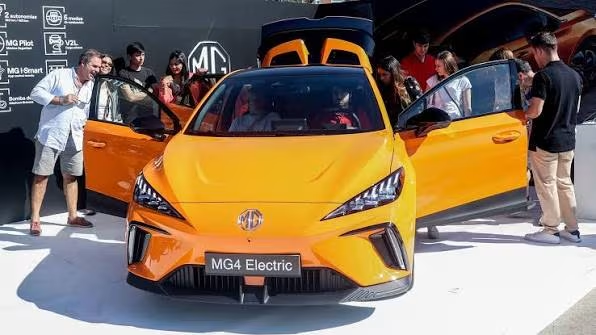
Electrek first reported, the aggressive pricing strategy launched on October 24, 2026. It targets regions previously protected by steep import duties.
Manufacturers are absorbing tariff costs instead of passing them on to consumers. A base model now starts at forty percent below standard market rates, forcing legacy automakers to rethink their margins. Buyers get access to premium technology without waiting for domestic production lines to scale. Here’s what matters: To understand the pricing shift, it helps to look at the hardware behind these vehicles.
Which Performance Specs Justify The Entry?
The underlying hardware meets mainstream expectations for city commutes and highway drives. Electric motors produce approximately 300 horsepower and 400 Newton meters of instant torque. Claimed acceleration from zero to 100 kilometers per hour takes 4.5 seconds. The battery delivers a range of 500 kilometers on a single charge. Those figures help ease the range anxiety associated with early adoption models.
How Do These Figures Compare To Legacy Alternatives?
Traditional internal combustion engines struggle to match instant low-end torque without heavy transmission systems. Placing battery packs beneath the floor pan significantly improves weight distribution, while chassis tuning prioritizes stability over track aggression. Handling remains predictable, and drivers notice smoother power delivery in stop-and-go traffic. Those engineering choices also help explain why direct distribution channels are becoming the preferred route for global expansion.
Why Does This Back Door Strategy Matter For Global Supply Chains?
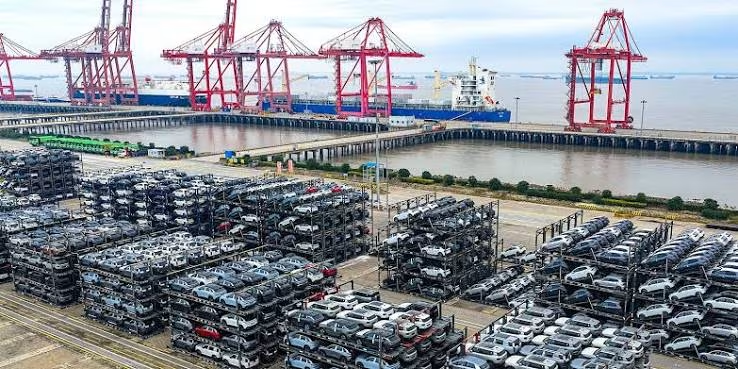
Direct distribution channels bypass conventional dealership networks entirely. Online ordering platforms make buying simpler and cut middleman markups. Logistics partners are already adjusting routes to handle more container volumes at major ports, echoing earlier concerns about the Million Chinese Door recall campaign.
Local service centers must adapt repair protocols for high-voltage architectures, as technicians familiar with the BMW Chinese Car platform already do. Dealerships report growing interest from fleet operators seeking cost-effective alternatives, while the Popular Chinese RHD testing footage suggests regional configurations still vary widely. Here’s the catch: Sales operations must meet local compliance standards, putting regulatory frameworks in the spotlight.
How Will Regulatory Frameworks Adapt To Rapid Chinese Western Expansion?
Government agencies are reviewing safety certification requirements for newly imported units. Insurance providers are developing specialized policies for high-capacity battery systems. Extended coverage periods in warranty terms aim to build consumer confidence. Local service networks are also expanding technician training programs for high-voltage diagnostics.
The Chinese western trade landscape is changing faster than policy makers can anticipate. How well companies navigate these evolving rules will determine whether temporary discounts become lasting market dominance. Aggressive pricing and reliable performance are quickly eroding historical barriers in the Chinese western market. Consumers get lower entry costs, while manufacturers build long-term brand loyalty before competitors can adjust their strategies. Industry observers should watch as other brands try similar moves in different regions. Aggressive pricing and verified performance specs are pushing legacy automakers to accelerate their electrification timelines immediately. For more detail, see Roadshow by CNET.
FAQs
What is the primary reason for the sudden market entry?
Manufacturers are absorbing tariff costs directly to gain market share quickly in protected regions.
How does the 500-kilometer range impact daily usability?
A 500-kilometer range eases range anxiety for typical urban commuters and weekend travelers.
Which legacy automakers face the most pressure?
Traditional European and American brands must lower
Was this article helpful?
Your feedback directly improves future articles on this site.