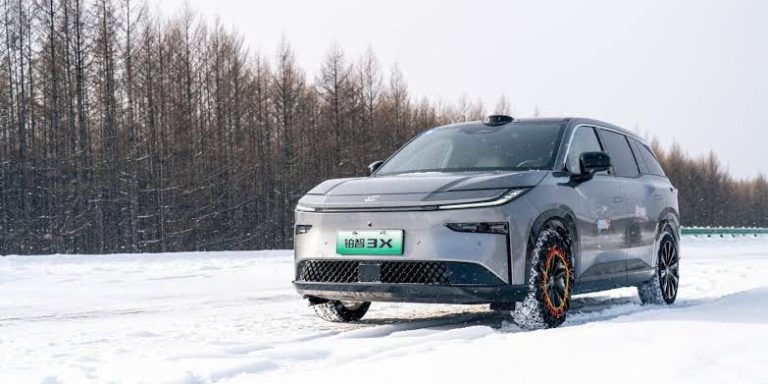
A reported base

What Makes This Toyota Chinese Platform Stand Out?
The underlying architecture prioritizes practical daily commuting over performance bragging rights. Engineers have calibrated a pure electric vehicle powertrain to deliver a reported driving range of 400 kilometers under the standardized CLTC testing cycle. That figure translates to roughly 248 miles of usable travel before requiring a charge, which comfortably covers most metropolitan commutes and weekend errands.
Acceleration metrics show a 0-to-100 km/h sprint completed in 9.5 seconds, providing adequate merging capability on city streets without compromising battery efficiency. The packaging remains intentionally compact, allowing manufacturers to optimize interior space while keeping manufacturing costs lean. We expect this balanced approach to appeal heavily to first-time electric buyers who prioritize predictable running costs over rapid acceleration. Competitors offering similar range typically demand significantly higher capital outlays, making this platform a potential benchmark for value-driven segments.
Thermal Management Priorities
Battery longevity dictates long-term ownership satisfaction, and engineers have integrated active cooling loops specifically designed for tropical climates. Heat dissipation modules sit directly adjacent to the power electronics, preventing capacity degradation during prolonged highway cruising. This targeted engineering ensures consistent performance regardless of ambient temperature spikes.
Why Is Toyota Targeting Right-Hand Drive Markets First?
Tracking footage clearly shows the test mule equipped with right-hand drive steering configuration, signaling a deliberate geopolitical strategy. Historically, Japanese automakers treat Commonwealth nations and select Asian territories as priority zones for new model introductions. Deploying right-hand drive variants first allows Toyota to validate chassis dynamics and thermal management systems across diverse road conditions before committing to left-hand drive production lines.
This phased rollout also mitigates regulatory uncertainty in regions where charging infrastructure standards are still stabilizing. The deliberate sequencing suggests Toyota intends to secure early market share in high-growth territories rather than competing head-on in saturated European corridors. We also observed coordination with local dealership networks, indicating that after-sales support structures are being prepared alongside vehicle distribution channels. This mirrors strategic patterns seen when 2027 Porsche Testing revealed region-specific calibration priorities.
Hyundai Chinese Warning: highlight how cross-border tariff adjustments influence final consumer costs.When Can Buyers Expect A Formal Launch Timeline?
Development cycles for automotive platforms typically span thirty-six to forty-eight months from prototype validation to dealer delivery. Current tracking indicates final durability assessments and homologation paperwork are progressing according to schedule. Corporate communications hint at a commercial availability window targeting late 2026 or 2027, depending on regional certification speeds.
Supply-chain partners have already begun securing raw materials for battery cell production, ensuring inventory buffers exist ahead of initial sales events. Consumers should prepare for staggered regional rollouts rather than simultaneous global releases, as regulatory approvals dictate deployment pacing. Pre-order mechanisms may open through official digital channels before physical showrooms receive allocation units. Dealerships will likely offer lease programs and financing packages tailored to lower monthly payment thresholds. It is worth watching how Toyota Chinese develops from here.
| Specification | Reported Value | Market Significance |
|---|---|---|
| Base | $15,000 USD | Entry-level EV affordability |
| Driving Range | 400 km (CLTC) | Metropolitan commute coverage |
| Acceleration | 9.5 seconds | City traffic integration |
| Steering Layout | Right-hand drive | Priority market targeting |
| Powertrain Type | Pure electric | Zero-emission compliance |
The engineering philosophy behind this affordable toyota chinese platform demonstrates how mature supply chains can democratize zero-emission mobility. By prioritizing practical range, predictable acceleration, and disciplined manufacturing costs, Toyota positions the platform to capture budget-conscious buyers who previously viewed electrification as financially out of reach.
Market watchers should track certification progress and regional policy shifts, as those factors will ultimately determine real-world accessibility. We anticipate competitive responses from established manufacturers eager to defend volume segments, which signals a healthy evolution toward sustainable transportation. Affordable electric mobility is shifting from luxury aspiration to mainstream necessity.
FAQs
What distinguishes this platform from existing budget electric vehicles?
The combination of a 400 kilometer driving range, 9.5 second acceleration, and $15,000 baseline Will left-hand drive versions be available simultaneously with right-hand drive models? Regional certification speeds and infrastructure readiness will dictate deployment pacing, meaning left-hand drive variants typically follow after right-hand drive validation completes. For more detail, see Roadshow by CNET.
Staggered rollouts allow manufacturers to refine logistics and after-sales support incrementally. How does the CLTC range measurement compare to real-world usage? The CLTC testing cycle generally yields optimistic figures compared to harsher European WLTP or American EPA standards. Drivers should expect approximately 15 to 20 percent variance under mixed highway and city conditions. What charging infrastructure requirements apply to this platform? Standard Level 2 AC charging delivers a full overnight replenishment, while DC fast charging compatibility remains dependent on regional grid upgrades and municipal investment plans. Fleet operators often deploy dedicated depot chargers to minimize downtime.
Was this article helpful?
Your feedback directly improves future articles on this site.