NED
NED OMA
OMA NAM316/7
 IRE183/5 (33/50 ov, target 317)
 SA226/4 (53.6 ov)
 AUS
AUS ABH0
ABH0 ALF0
ALF0 BEI2
BEI2 JHM1
JHM1 RCH0
RCH0 KRE0
KRE0 AFG
AFG ZIM
ZIM SAS
SAS LAZ
LAZ ROMA
ROMA CAG
CAG TOR
TOR COMO
COMO BAN
BAN WI
WI IND-W
IND-W ZIM-W
ZIM-W GOA
GOA SC Delhi
 Milan
Milan Bologna
 PAK110
 SL114/2 (18.1/50 ov, target 111)
 NZ198/3
 IND199/4 (13.2/20 ov, target 199)
 Sevilla2
 Osasuna0
 PSG2
PSG2 Lyon0
Lyon0 JER
JER KUW
KUW PNG
PNG QAT
QAT JAB21/2 (4.4/20 ov, target 133)
 KAY132/9
 SIKM184
 NAGA187 & 46/4 (34 ov)
 JHK131/4 (47 ov)
 DELHI515/5d
 ODSA194
 SVCS13/0 (5 ov)
 BRODA616
 J & K6/0 (4 ov)
 CHD685/5d
 HP49/0 (14 ov)
 CGR216/8 (95 ov)
 AP231
AP231 AUCK
AUCK CANT
CANT CD
CD ND
ND DEN
DEN KENYA
KENYA POA
POA SPR
SPR BIK149 (19.3/20 ov, target 158)
 CHR157/3
 BRB149/5 (16.2/20 ov, target 148)
 MIS147
 MOW107/9
 TOK111/5 (18.4/20 ov, target 108)
 LUL88/3 (9.5/20 ov, target 88)
 Parma
Parma Udinese
 Venezia
 Inter Milan
 Genoa
Genoa Juventus
 Mohun Bagan1
 Chennaiyin0
 DHC0
DHC0 VIS1
VIS1 JDT3
JDT3 PORT0
PORT0 KYO5
KYO5 NEW2
NEW2
American communities are removing Flock Safety license plate cameras from their streets only to install virtually identical surveillance systems from competing companies, according to reporting by the outlet.
Multiple municipalities that cancelled Flock contracts following privacy concerns and vandalism have simply switched to vendors offering the same automated license plate reader technology under a different name. The shift represents a pattern across law enforcement agencies nationwide.
While Flock Safety has borne the brunt of public criticism—facing consistent vandalism and reports of misuse—departments are choosing to continue rather than abandon automated surveillance. Axon Enterprise, the company formerly known as Taser, has emerged as a primary beneficiary of this transition.
Flock Cameras: Overview
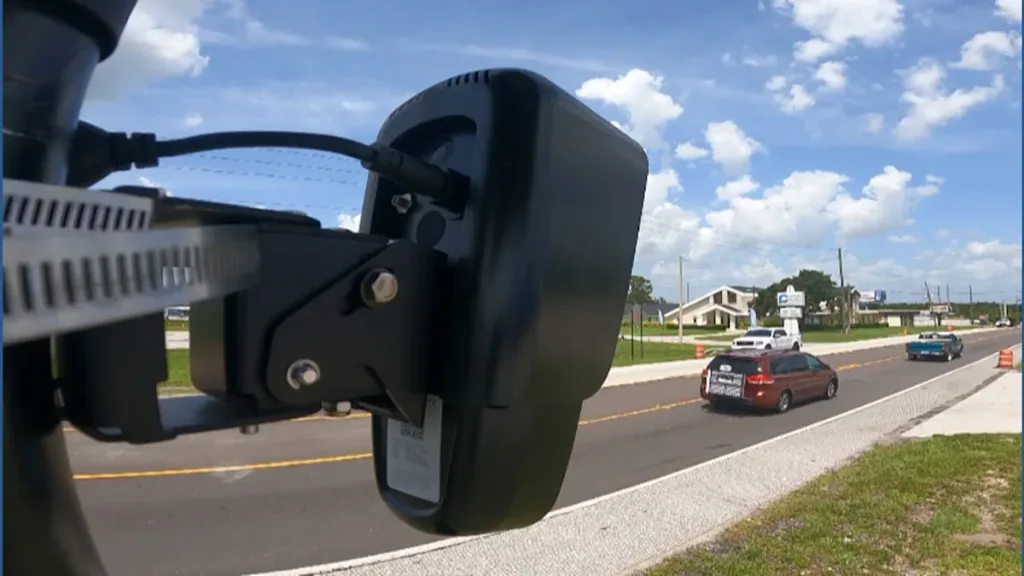
The company already dominates the body camera market and leverages existing law enforcement relationships to sell its competing license plate readers. The technology itself remains unchanged despite the vendor switch.
Automated license plate reader cameras capture vehicle data, store it for approximately 30 days, and provide law enforcement with searchable databases of movement patterns. Privacy advocates note this does nothing to address fundamental concerns about mass surveillance.
Communities that removed Flock cameras expecting an end to the monitoring have discovered the replacement systems perform identical functions. Axon rebranded from its original Taser identity in 2017, the same year Flock Safety was founded.
The timing proved strategically advantageous—while Flock had to build its client base from scratch, Axon already possessed established relationships with virtually every major police department in the country. Their license plate readers integrate with existing Axon hardware and software ecosystems, reducing training costs and administrative overhead for departments.
The replacement trend raises questions about whether public opposition targets specific companies rather than the underlying surveillance technology itself. Several cities that voted to remove Flock cameras cited privacy concerns and documented cases of misuse by officers.
However, installing functionally identical systems from Axon or similar vendors preserves the same data collection capabilities that sparked opposition in the first place.
What happens next remains uncertain. Privacy organizations continue campaigning against automated license plate readers regardless of which company manufactures them, arguing that mass surveillance infrastructure poses inherent civil liberties risks.
Law enforcement agencies show no signs of reducing their investment in the technology, viewing it as an essential tool for solving crimes. The pattern of switching vendors while maintaining surveillance capabilities suggests communities face a more fundamental choice than simply selecting a different provider.
Related Articles
- VW US Leadership Shakeup Report Claims Change Is Coming
- Top Gear Is Officially Coming Back, But Who’s Hosting?
- Skoda Octavia RS Second Batch: India Price Rs 56.69 Lakh
FAQs
Why are communities removing Flock cameras?
Communities are removing Flock cameras due to persistent vandalism, documented cases of police misuse, and broader privacy concerns about automated license plate tracking systems.
What replaces Flock cameras?
Many departments are switching to Axon Enterprise, which offers competing license plate reader technology. Axon was formerly known as Taser and rebranded in 2017.
Does switching vendors solve privacy concerns?
No. Privacy advocates argue that replacing Flock with Axon or similar vendors does not address fundamental concerns about mass surveillance, since the underlying technology performs identical functions.
How long do these cameras retain data?
License plate reader systems typically store captured data for approximately 30 days, though retention periods vary by jurisdiction and specific contract terms.
Are there alternatives to automated license plate readers?
Some communities have chosen to end automated license plate reader programs entirely, relying on traditional investigative methods and court-ordered surveillance rather than continuous automated monitoring.
Was this article helpful?
Your feedback directly improves future articles on this site.