PSG1
 LYON0
 SEV1
 OSA0
 NED
 OMA
 NZ
 IND
 NAM
 IRE
 PAK
 SL
 SA
 AUS
 Abha
 Al Faisaly
 AFG
 ZIM
 Sassuolo
 Lazio
 MBSG1
 CFC0
 Barcelona1
 Real Madrid2
 Udinese0
 Milan2
 Real Sociedad2
 Levante1
 BRB0/0 (0.3/20 ov, target 148)
 MIS147
 NZ-A317
 IND-A113 & 488/8 (119 ov)
 SYL575/4 (167.3 ov)
 KHU
 MYMS465/7d
 CHATT424/6 (121 ov)
 DHA521
 RAJ162 & 215/5 (59.1 ov) (f/o)
 RAN402 & 5/0 (2.3 ov)
 BAR443/9d
 SIKM30/1 (15 ov)
 NAGA187
 JHK
 DELHI309/5 (90 ov)
 ODSA194
 SVCS13/0 (5 ov)
 BRODA259/6 (86 ov)
 J & K
 CHD363/2 (87 ov)
 HP
 CGR35/1 (14 ov)
 AP231
 BAN
 WI
 IND-W
 ZIM-W
 MEX-W51 (12.5/20 ov, target 187)
 ARG-W186/7
 NGA148
 UGA147/9 (20 ov, target 149)
 MOW107/9
 TOK111/5 (18.4/20 ov, target 108)
 LUL88/3 (9.5/20 ov, target 88)
 SPR87
 VAG169/4
 AND2
 BUR3
 BOU1
 REIM0
 MON1
 RSFC1
 WAL0
 SAL1
 TUA1
 MUS0
 AS Roma
 Cagliari
 Torino
 Como
 CFC
 GRE
 FLA
 CAM
 Daejeon
 Vissel Kobe
 Darul Ta'zim
 Port FC
 Lecce0
 Juventus2
 Sunderland0
 Leeds0
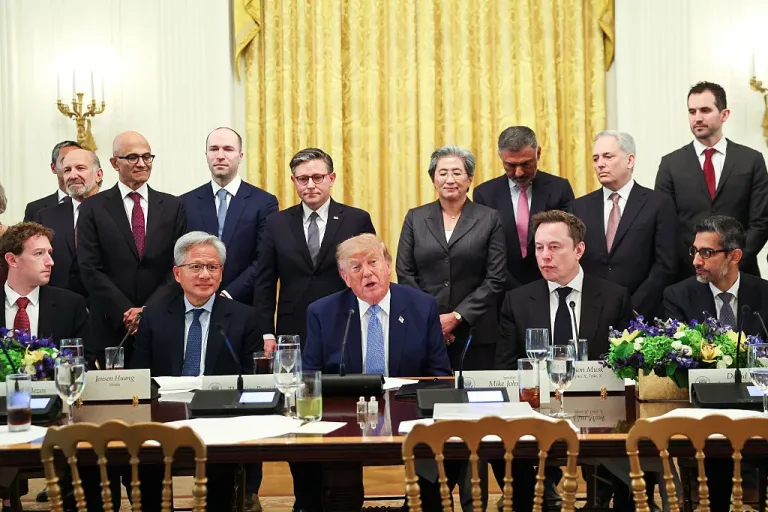
On October 5, 2026, industry discussions reportedly centered on a voluntary agreement tentatively called the “Joint Commitment on Frontier Responsibilities.” Its legal force remains limited, creating a sharp gap between the public message and enforceable safety rules. Reports also suggest the administration shifted its preferred terminology toward super Intelligence, though none of this has been officially confirmed.
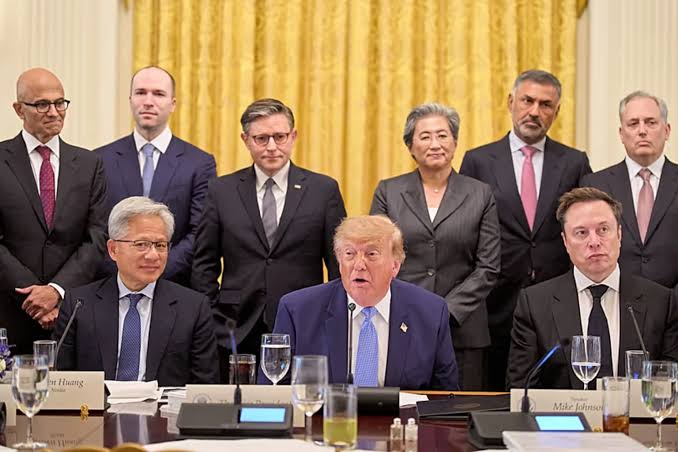
The October 5 Rebranding Moment
The earliest turning point came when industry discussions reportedly shifted their preferred language from artificial Intelligence to super Intelligence during talks involving leading AI companies. That wasn’t just a vocabulary swap; it aimed to separate advanced systems from public fears about job losses, misuse, and catastrophic risk.
That framing matters for companies whose products already attract scrutiny from regulators, workers, and civil society groups. A new label may make the technology sound more capable and beneficial. However, it doesn’t change how models are trained, deployed, or monitored. Reports indicate the discussions also produced a voluntary agreement. Its most contested feature was that it was described as deeply non-binding, while proponents characterized the commitment as morally binding.
The Pact’s Limits Become Clear
The agreement is the latest example of public-relations strategies built around voluntary commitments reportedly publicized in 2026. Industry leaders can pledge responsible development. However, a non-binding text doesn’t automatically bring penalties, independent audits, or a legal route for affected people to challenge unsafe conduct.
This distinction became central in third-quarter 2026 panels, where AI safety researchers reportedly debated whether corporate promises could be enforced without legislation or regulatory supervision. Supporters of voluntary action point to its speed: companies can coordinate before governments agree on detailed rules. Critics argue that the same flexibility allows firms to withdraw, reinterpret, or quietly weaken commitments when commercial pressure rises. Thus, the pact faces a credibility test.
If it contains no transparent reporting duties, measurable thresholds, or consequences for non-compliance, the public may see it as branding rather than governance. For more detail, see VentureBeat AI.
Why the New Language Matters
The rebranding effort follows a familiar political communications logic: replace a threatening term with one that suggests progress and control. The argument goes that “super Intelligence” sounds like a national capability, while “artificial Intelligence” is tied to automation, surveillance, and disruption.
Earlier coverage of policy debates surrounding super Intelligence shows why terminology now matters in the policy debate. The label can shape how voters, employees, and investors interpret the same underlying systems. It cannot resolve concerns about accountability. There’s another risk too: exaggerated language raises expectations faster than technical evidence. If systems keep producing inaccurate answers, unsafe recommendations, or opaque decisions, a more ambitious name could intensify public disappointment rather than reduce it. For more detail, see OpenAI Blog.
What Comes Next for AI Safety
The next stage will depend on whether the voluntary agreement gains measurable follow-through. Industry leaders must ensure that commitments translate into actionable safety measures. Without this, the pact risks becoming a mere public relations exercise.
Source: TechCrunch
Was this article helpful?
Your feedback directly improves future articles on this site.