NZ
 IND
 NAM
 IRE
 MOZ
 UGA
 Aston Villa
 Man City
 Rayo
 Elche
 GMB
 ZMB
 NGA
 LES
 Cagliari
 Bologna
 IPS1
 NFO1
 ALA1
 MCF1
 TOR3
 MON2
 BRE1
 NICE2
 TAS129/7 (23.3/35 ov, target 276)
 VIC304/7 (50 ov)
 WA
 NSW38/1 (9/50 ov)
 NZ-A135/3 (41 ov)
 IND-A113
 DHA
 RAJ
 MYMS
 CHATT
 RAN
 BAR
 SYL
 KHU
 MEX-W
 ARG-W
 UAE
 NED
 AFG170/3 (34.3/50 ov, target 170)
 ZIM169
 IND-W200/1 (27.1/50 ov, target 198)
 ZIM-W197
 DOLPH56/0 (3.5/8 ov, target 56)
 SWD51/4 (8/8 ov)
 WSW1
 BRI1
 Como
 Sassuolo
 Augsburg
 Union Berlin
 Cologne
 Schalke
 Mainz
 Bremen
 RB Leipzig
 Elversberg
 VFB2
 BMG3
 AHL4
 KHA1
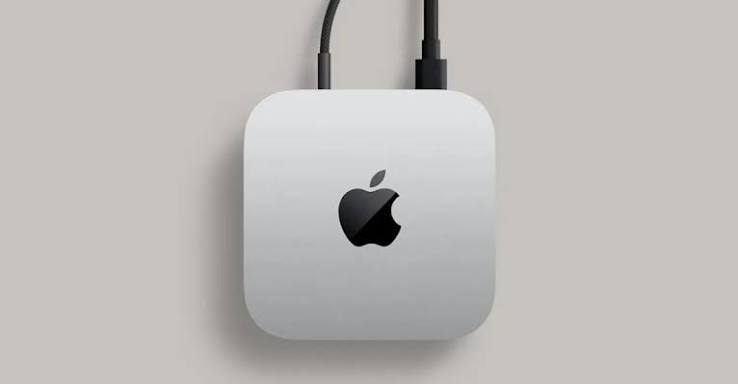
Autonomous software rarely asks for explicit consent. That changed on Saturday, October 3, 2026, when Apple announced tightened macOS privacy controls targeting artificial intelligence agents.
The company now requires explicit user permission before any machine learning model accesses local files inside the Documents and Desktop folders. This policy shift reportedly ends years of silent background operations that treated personal directories as open storage space. Security engineers reportedly emphasize that granting granular access prevents runaway inference routines from exfiltrating sensitive data.

Apple Macos Privacy Controls: Key Details
System architects designed the update to integrate directly into macOS Sequoia (Version 15) and later operating systems.
Apple Macos Privacy Controls: Context
Industry analysts reportedly expect widespread refactoring efforts across desktop utility markets as teams race to meet compliance deadlines. Early adopters upgrading their workstations are reportedly expected to encounter frequent authorization dialogs during routine file management tasks.
Enterprise IT departments are reportedly already drafting internal guidelines to manage workflow disruptions caused by the new permission gates. Hardware partners including Samsung and AMD are reportedly adjusting their driver stacks to support the revised security stack.
Software publishers reportedly now face a strict thirty-day compliance window to submit compliant builds before legacy versions lose automatic update privileges. Vendors who miss the deadline will reportedly see their applications removed from official distribution channels entirely. The technology sector will evaluate whether these restrictions accelerate secure development practices or stifle desktop automation innovation.
What Happens Next
Users updating to the latest system version are expected to encounter permission prompts whenever an agent requests directory access. Organizations deploying automated workflows must adjust their deployment scripts to comply with the new sandbox boundaries.
The tech community will watch closely to see whether compliance slows innovation or strengthens baseline security. Official documentation is reportedly expected to drop alongside the public release, giving developers exactly thirty days to patch incompatible builds.
Was this article helpful? Your feedback directly improves future articles on this site. |
|---|