UAE65/2 (16.2/50 ov)
 NED
 PAK
 ENG
 IND-W
 ZIM-W
 GMB
 LES
 MOZ
 ZMB
 Inter Milan
 Fiorentina
 Churchill
 Punjab FC
 NGA
 UGA
 Athletic
 Getafe
 MEX-W23 (9.3/20 ov, target 189)
 ARG-W188/5
 ATM1
 DEP0
 LAZ2
 PAR1
 RCL2
 PAR1
 NZ-A317
 IND-A113 & 106/2 (36 ov)
 SYL
 KHU
 MYMS299/4 (87 ov)
 CHATT
 DHA293/3 (84.1 ov)
 RAJ
 RAN320/5 (80 ov)
 BAR
 DEN
 PNG
 KENYA
 JER
 NAM321/6
 IRE290 (47.3/50 ov, target 322)
 C Palace
 Newcastle
 Hull
 Brentford
 Liverpool
 Brighton
 Man United
 Bournemouth
 Atalanta
 Frosinone
 RIY2
 TAA1
 CHE0
 TOT2
 VAL1
 VIL2

Why fleet orders can send car sales soar is the issue the outlet examines as General Motors and Ford count bulk deliveries in US sales. The headline sales number treats a rental-car company, government department, and individual household as equivalent buyers. The economics are not equivalent.
Fleet contracts can keep assembly lines running, but they often bring lower margins, weaker resale values, and less lasting consumer loyalty.
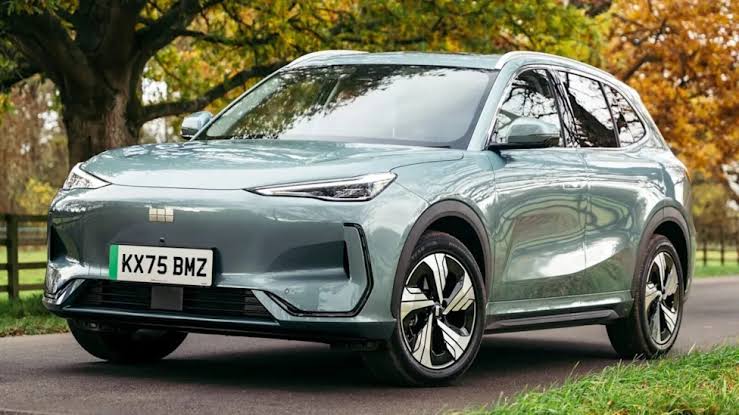
Why Fleet Orders Can Send Car Sales Soar
General Motors and Ford can lift monthly and quarterly delivery totals through large fleet agreements, even when showroom demand from private buyers is softer.
The outlet’s analysis points out that fleet deliveries count in the same sales reports as retail purchases, creating a sales figure that may look healthier than the underlying consumer market.
An automaker selling 1,000 vehicles to 1,000 private customers generally earns more per vehicle than it does by supplying the same number to one rental company at a negotiated discount.
Hertz, for example, frequently buys large blocks of vehicles at steep discounts during the first quarter of its fiscal year, according to the supplied reporting. That discount is the first cost. The second is what happens when those vehicles return to the used-car market.
Why Fleet Orders Can: The Hidden Cost For Automakers
Rental fleets can release thousands of near-identical vehicles into the pre-owned market after relatively short service lives. That extra supply can reduce residual values, a problem associated with high-volume fleet sales involving brands such as Stellantis. Lower residuals affect leasing calculations, trade-in expectations, and the perceived durability of a model.
Commercial and government contracts can be financially stronger than rental deals because vehicles may remain in service longer and receive more predictable use. Rental cars face a different buyer perception. A model widely associated with airport lots can lose some of the premium image that helps manufacturers charge higher Mary Barra Still reflects the pressure on the company to turn production capacity into durable customer relationships.
Why Factories Still Need Fleet Business
Factories carry large fixed costs, and unused capacity can quickly become expensive.
Here is the tension: a fleet deal can be financially weaker per vehicle but still preferable to shutting down production lines.
A government utility vehicle, delivery van, or company car can create dependable revenue without the same image damage associated with short-cycle rental vehicles. The risk rises when monthly sales growth depends on discounted rental deliveries rather than stronger demand from private buyers.
What Buyers And Investors Should Watch Next
The key question is not whether sales are rising. It is which customers are creating that growth, at what discount, and with what effect on future resale . Investors should separate retail volume from fleet volume, while buyers should check whether a model has a large presence in rental fleets before leasing or purchasing.
The same issue matters across the wider industry. A vehicle such as the 2027 Porsche 718 EV will depend heavily on brand positioning and customer mix, while a mass-market SUV may accept more fleet exposure to maintain production scale. Fleet demand can also change quickly when rental companies reduce purchases or sell vehicles into the used market. That makes a strong quarter look less secure if the manufacturer cannot replace institutional orders with household demand.
The next useful disclosure is a clearer split between retail and fleet deliveries, because only that breakdown shows whether automakers are winning customers or simply moving inventory.
Related Articles
Was this article helpful?
Your feedback directly improves future articles on this site.