NZ
 IND
 NAM
 IRE
 MOZ
 UGA
 Aston Villa
 Man City
 Rayo
 Elche
 GMB
 ZMB
 NGA
 LES
 Cagliari
 Bologna
 IPS1
 NFO1
 ALA1
 MCF1
 TOR3
 MON2
 BRE1
 NICE2
 TAS129/7 (23.3/35 ov, target 276)
 VIC304/7 (50 ov)
 WA
 NSW38/1 (9/50 ov)
 NZ-A135/3 (41 ov)
 IND-A113
 DHA
 RAJ
 MYMS
 CHATT
 RAN
 BAR
 SYL
 KHU
 MEX-W
 ARG-W
 UAE
 NED
 AFG170/3 (34.3/50 ov, target 170)
 ZIM169
 IND-W200/1 (27.1/50 ov, target 198)
 ZIM-W197
 DOLPH56/0 (3.5/8 ov, target 56)
 SWD51/4 (8/8 ov)
 WSW1
 BRI1
 Como
 Sassuolo
 Augsburg
 Union Berlin
 Cologne
 Schalke
 Mainz
 Bremen
 RB Leipzig
 Elversberg
 VFB2
 BMG3
 AHL4
 KHA1

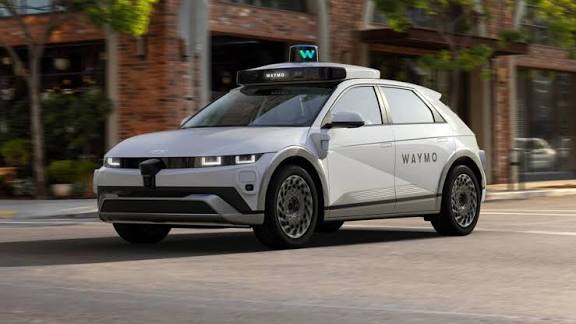
Puke And Poop are just part of the nightmare for Waymo’s fleet handlers, the human crew tasked with keeping robotaxis presentable across San Francisco, Phoenix, and Los Angeles.
A detailed the outlet report pulled back the curtain on the grim reality of autonomous vehicle maintenance, where the promise of driverless convenience collides with the very human messes passengers leave behind. The report paints a picture of a job that demands far more than a quick wipe-down.
The Turning Point: When Biohazards Became Routine
Waymo’s commercial fleet relies on modified Jaguar I-Pace vehicles, and keeping them ride-ready requires a dedicated workforce of internal staff and third-party service providers.
The cleaning protocols have evolved into a serious operation, with handlers required to wear specialized protective equipment to safely deal with biological waste. It’s not just about aesthetics; it’s about public health and regulatory compliance. The turning point came when Waymo scaled its operations beyond pilot programs.
Early test rides were curated affairs, but open access changed everything. Passengers began treating robotaxis like private party buses, and the consequences landed squarely on the cleaning crews.
The Context: Scaling Autonomy Means Scaling Mess
Here’s the thing: this isn’t a niche problem. As Waymo expands its service areas, the volume of incidents grows proportionally. The company’s competitive edge depends on rider experience, and nothing kills a five-star A More Affordable Entry into autonomous fleets may lower costs, but it doesn’t reduce the biological reality of human passengers.
Worth noting: this challenge isn’t unique to Waymo. Every autonomous fleet operator faces the same logistics puzzle. The difference is scale and transparency. Waymo’s willingness to discuss these challenges openly, even through third-party reports, signals a maturity that the industry needs. The September Is Stacked: 7 major releases might dominate entertainment headlines, but the auto world is watching fleet operations closely.
What’s Next: The Unseen Cost of Robotaxi Expansion
The path forward involves automation of the cleaning process itself. Self-cleaning surfaces, antimicrobial materials, and even robotic cleaning arms are all in development. But those solutions are years away. In the near term, Waymo must hire, train, and retain a workforce willing to handle tasks that most people would refuse.
This is the uncomfortable truth about autonomy: the technology removes the driver, but it doesn’t remove the human element entirely. Someone still has to deal with the consequences. The <a href="https://technosports.co.in/most-exciting-maverick-trims- trims might grab truck buyers, but the robotaxi story is about operational grit. The The 2027 Ram ProMaster shows how traditional automakers are planning for commercial fleets, but Waymo’s challenge is fundamentally different. It’s not about vehicle capability; it’s about human endurance. As the company pushes toward profitability, these hidden costs will determine whether the economics of autonomy actually work.
Related Articles
- Ford's Most Exciting Maverick Trims Get Sizeable Price Cuts
- FUTURIX Introduces Alpha Cut Trimmer at ₹699, Targeting India's Affordable Grooming Segment
- 3 South Indian Films Hitting Theaters This Week That You Can't Afford to Miss
FAQs
Is cleaning Waymo vehicles really that bad?
Yes, reportedly. the outlet report details incidents involving vomit, feces, and other biological waste that require specialized cleaning protocols and protective equipment. How does Waymo handle biohazard cleaning? The company uses a combination of internal staff and third-party providers, with handlers wearing protective gear to safely manage contaminated vehicles.
Does this affect Waymo’s expansion plans? Potentially. Every cleaning incident takes a vehicle out of service, creating operational costs that scale with fleet size and service area. Are other robotaxi companies facing this? Yes, this is an industry-wide challenge for any autonomous fleet operator, though Waymo’s scale makes it the most visible example. Puke And Poop will remain part of the nightmare for Waymo’s fleet handlers until technology catches up with biology. The real test of autonomy isn’t the driving; it’s the cleaning.
Was this article helpful?
Your feedback directly improves future articles on this site.