MBSG0
MBSG0 CFC0
CFC0 NEF0
NEF0 ITT0
ITT0 PSG
PSG LYON
LYON SEV
SEV OSA
OSA NED
NED OMA
OMA NZ
NZ IND
IND NAM
NAM IRE
IRE PAK
PAK SL
SL SA
SA AUS
AUS Abha
Abha Al Faisaly
 Barcelona1
 Real Madrid2
 Udinese0
 Milan2
 Real Sociedad2
 Levante1
 Lecce0
 Juventus2
 MOW20/2 (4.2/20 ov)
 TOK
TOK NZ-A317
 IND-A113 & 488/8 (119 ov)
 SYL575/4 (167.3 ov)
 KHU
KHU MYMS465/7d
 CHATT424/6 (121 ov)
 DHA521
 RAJ162 & 215/5 (59.1 ov) (f/o)
 RAN402 & 5/0 (2.3 ov)
 BAR443/9d
 SIKM30/1 (15 ov)
 NAGA187
 JHK
JHK DELHI309/5 (90 ov)
 ODSA194
 SVCS13/0 (5 ov)
 BRODA259/6 (86 ov)
 J & K
J & K CHD363/2 (87 ov)
 HP
HP CGR35/1 (14 ov)
 AP231
AP231 BRB
BRB MIS
MIS BIK
BIK CHR
CHR JER
JER KUW
KUW MEX-W51 (12.5/20 ov, target 187)
 ARG-W186/7
 NGA148
 UGA147/9 (20 ov, target 149)
 GMB112/9
 LES109 (19.5/20 ov, target 113)
 MOZ110/7 (19/20 ov, target 110)
 ZMB109/9
 IND-W328/6
 ZIM-W207 (48.5/50 ov, target 329)
 ENG241
 Sassuolo
 Lazio
Lazio AS Roma
 Cagliari
 Torino
 Como
Como BES
BES IBFK
IBFK CAY
CAY TRAB
TRAB Sunderland0
 Leeds0
 Freiburg1
 Bayern3
Volkswagen is finally entering India’s biggest, most fiercely contested car segment — and this time it’s building specifically for Indian roads, not adapting a global product.
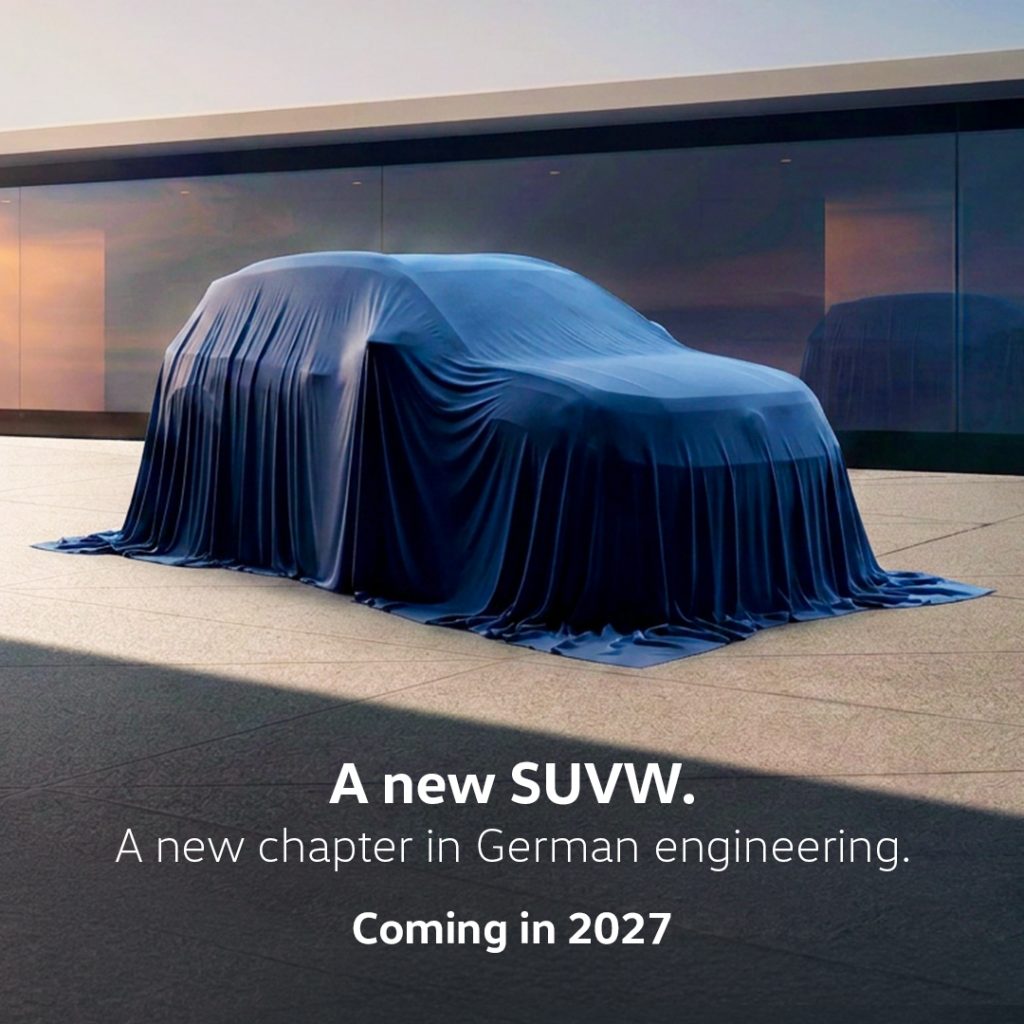
For years, Volkswagen played it relatively safe in India with the Taigun and Virtus, staying out of the high-volume sub-4-metre space that Indian buyers overwhelmingly favour for its tax advantages. That’s about to change. Volkswagen India has officially announced an all-new sub-4-metre compact SUV, developed specifically on the India-focused MQB-A0-IN platform, set to launch in 2027.
What is Announced
The confirmation came via Volkswagen India’s official social channels, marking what the brand called “a new chapter” — its entry into the sub-4-metre SUV segment for the first time since the Ameo and Polo were discontinued.
| Detail | Information |
|---|---|
| Segment | Sub-4-metre compact SUV |
| Platform | MQB-A0-IN (India-developed) |
| Launch year | 2027 |
| Positioning | Below the Taigun; VW’s entry-level SUV |
| Manufacturing | Locally built, high localisation |
Built on a Platform India Already Knows Well
The MQB-A0-IN platform isn’t new to Indian roads — it already underpins the Skoda Kylaq, Kushaq and Slavia, along with the Volkswagen Taigun and Virtus. What’s different this time is that Volkswagen’s new SUV is being developed as a distinct product rather than a straightforward rebadge. Significant design differentiation is expected between the upcoming Volkswagen SUV and the Kylaq, following the same playbook that already separates the Taigun from the Kushaq.
Volkswagen Passenger Cars CEO Thomas Schafer confirmed the model is “being developed specifically for India,” reinforcing that this isn’t a global product with minor tweaks — it’s engineered around Indian requirements from the ground up.
Why This Segment, Why Now
This marks Volkswagen’s re-entry into India’s high-volume sub-four-metre vehicle market, one of the country’s largest and most competitive passenger vehicle categories. Schafer pointed to a broader industry shift toward regionalised manufacturing, noting that cars are increasingly built for specific markets — “cars made in China for China, and a lot happening here in India.”
On pricing, nothing is official yet, but early estimates based on Kylaq positioning and sub-4m tax benefits suggest a range of roughly ₹8 lakh to ₹13 lakh, ex-showroom — though Volkswagen typically commands a slight premium over its Skoda sibling products.
The Competition Waiting
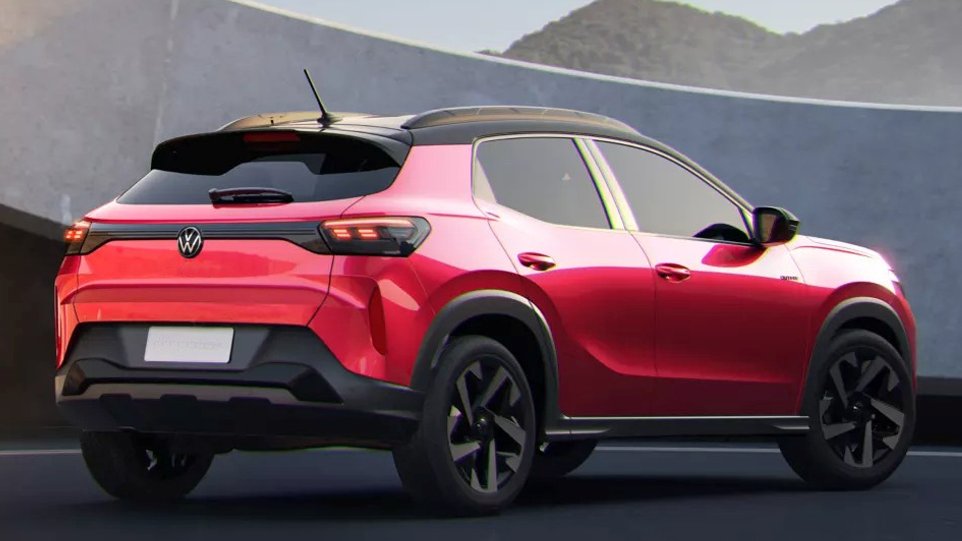
This SUV won’t have an easy ride. It’s expected to compete directly with the Skoda Kylaq, Hyundai Venue, Kia Sonet, Tata Nexon and Mahindra XUV 3XO — arguably India’s most crowded and price-sensitive vehicle segment. Standing out here will take more than badge engineering.
For readers tracking VW’s broader India roadmap, TechnoSports’ recent coverage of the Virtus facelift is a useful companion piece on how the brand is refreshing its existing lineup ahead of this bigger 2027 push. And if you’re comparing this segment more broadly, our compact SUV buying guide rounds up current class leaders.
Official updates will land on Volkswagen India’s website as the 2027 launch approaches.
Bottom Line
The German giant finally wants a real share of India’s biggest SUV segment, and it’s betting on genuine local engineering rather than a quick badge swap to get there. With the Kylaq’s platform DNA underneath but distinct styling promised on top, the real test will be whether Volkswagen can match Korean and domestic rivals on price without diluting what makes it “unmistakably Volkswagen.”