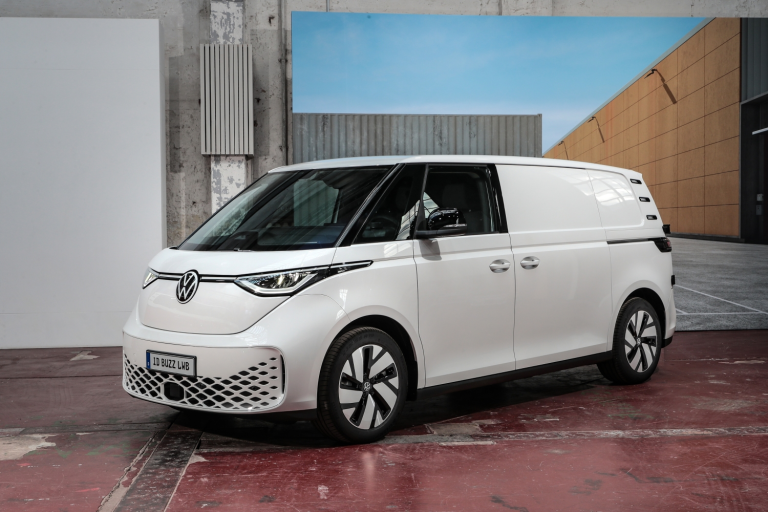
Picture a municipal logistics hub in September 2026, where drivers finally swap cramped box vans for a longer electric platform. The latest iteration of the buzz cargo arrived right on schedule, carrying a reported base Electrek confirms the commercial rollout strategy.

The Announcement Timeline
Volkswagen initiated the extended model development phase earlier this year, targeting commercial fleets demanding extra payload space without sacrificing zero-emission credentials. The stretched version directly addresses the growing demand for last-mile delivery solutions across dense metropolitan corridors.
By delaying mass production until late summer, the automaker prioritized battery thermal management calibration over rushed manufacturing deadlines. This measured approach ensures the new variant meets rigorous European safety standards before hitting dealership floors. Fleet buyers watching this space should note how corporate procurement cycles typically align with autumn inventory releases.
Performance Metrics for the buzz cargo
Battery Architecture and Powertrain Details
Underneath the retro-modern exterior sits a single rear-mounted motor delivering two hundred eighty-two horsepower. Drivers experience four hundred six pound-feet of instant torque, translating to a seven point six second sprint to one hundred kilometers per hour.
A reportedly seventy-seven kilowatt-hour battery pack enables a maximum range of two hundred thirty-four miles under mixed driving conditions. Interior modifications remove passenger seating entirely, replacing the cabin with reinforced flooring and integrated tie-down points optimized for parcel transport.
Commercial Viability and Market Positioning
The commercial sector faces mounting pressure to electrify rapidly, yet many operators hesitate due to limited practicality. This extended model removes that friction by offering superior load volume compared to standard microvans. Competitors like Tesla and Mercedes have already tested similar utility platforms, forcing traditional manufacturers to accelerate their own electric freight strategies. Industry watchers compare this rollout to earlier efforts seen when BMW’s iX3 Gets introduced loyalty discounts, highlighting how legacy brands navigate transition periods.
Meanwhile, parallel developments in the EV sector, such as Volkswagen Unveils PV7 efficiency benchmarks, show how shared architecture benefits multiple commercial segments. Fleet managers evaluating these options should weigh charging infrastructure requirements against daily route distances, especially as Volkswagen Group Warns: about broader supply chain adjustments affecting component availability. | Specification | Reported Value | Market Significance | | Power Output | Two hundred eighty-two horsepower | Enables rapid urban acceleration | | Torque | Four hundred six pound-feet | Optimized for heavy loads | | Range | Two hundred thirty-four miles | Suitable for regional distribution | | Launch Window | September twenty-twenty-six | Aligns with Q3 fleet procurement | Electric logistics vehicles continue evolving beyond niche experiments into mainstream operational staples. The buzz cargo demonstrates how heritage styling adapts seamlessly to modern commercial requirements. Buyers tracking the commercial van segment should monitor upcoming dealer inventory allocations. Strategic purchasing decisions during this transitional period will define competitive advantages for the next decade. Fleet operators gain immediate practical advantages through expanded interior dimensions and zero tailpipe emissions. For more detail, see Roadshow by CNET.
FAQs
What distinguishes the extended model from the standard passenger configuration? The commercial variant eliminates rear seating to maximize cubic footage, features reinforced load floors, and includes standardized cargo securing hardware throughout the cabin. How does the battery capacity impact daily delivery routes?
Operators covering urban and suburban territories can reportedly complete approximately one hundred eighty miles of active driving before requiring a recharge, comfortably fitting most local dispatch schedules. Will charging infrastructure upgrades be mandatory for new owners? Fleet managers planning depot installations should prepare for dual-port DC fast charging stations, though standard Level 2 AC connectors remain compatible with existing workplace parking setups. Does the pricing include mandatory software subscription packages? Base configurations ship with essential navigation and telematics tools preloaded, while advanced analytics dashboards require optional third-party integration fees.
Was this article helpful?
Your feedback directly improves future articles on this site.