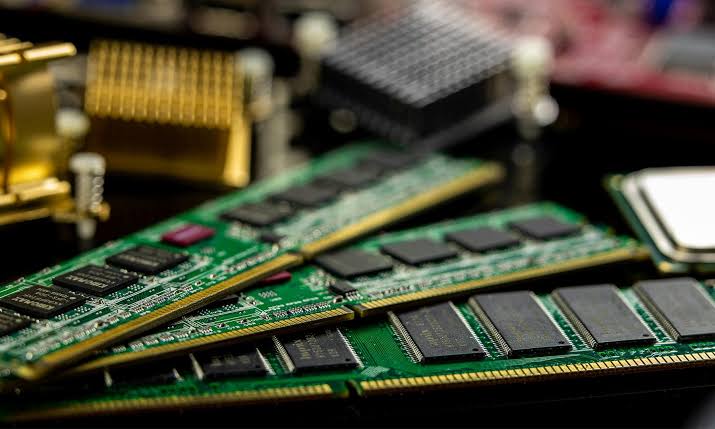
On September 17, 2026, smaller technology brands faced severe RAM-supply pressure first. The consequence: product plans, configurations and
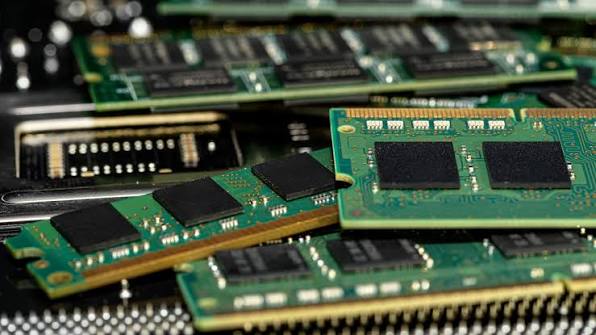
The September 17, 2026 Turning Point
The latest reporting places smaller phone and laptop makers at the front of a worsening memory-supply problem. Large manufacturers usually have more purchasing power, wider supplier networks and greater room to absorb higher component costs.
Smaller companies face a harsher choice: accept tighter margins, delay hardware plans or pass increased expenses to customers. The available reporting says RAM pressure is already affecting smaller technology brands. The report does not identify a confirmed device,
How Smaller Brands Could Feel the Shortage First
RAM is a core component in phones, laptops and other computing products. When availability tightens, a large company may be able to protect a popular product line through purchasing scale, while a smaller brand may have fewer ways to secure supply without changing its business plan. This creates several possible outcomes.
A company could retain its advertised memory configuration but accept lower profitability, reduce RAM in a planned model, delay a launch or revise pricing. None of those outcomes has been confirmed for a named device in this report, so buyers should separate market risk from official product information. Earlier coverage of high-capacity computing hardware, including reportedly 192GB RAM in the AI495, shows why memory capacity has become a visible selling point. Yet a premium capacity headline does not prove that consumer phones or mainstream laptops will receive similar changes during this shortage.
Why a Years-Long Shortage Would Change Buying Decisions
A RAM shortage lasting for years would affect product planning rather than a single launch window. Smaller brands might prioritise models with predictable demand, limit configuration choices or rely on older platforms for longer.
Such decisions could reduce variety even when major manufacturers continue releasing new products. That pressure would also change how shoppers compare devices in India and global markets. Buyers would need to examine actual RAM capacity, storage options, upgradeability and software support instead of assuming that a newer model automatically offers more memory. The absence of confirmed
What Comes Next for Phones and Laptops
The next meaningful signal will be an announcement from an affected manufacturer. A confirmed RAM configuration, revised CEO Years EUV and Cognizant Named Years, where long-range technology planning shapes business outcomes.
The RAM shortage is therefore more than a component story for smaller brands. If pressure continues for years, memory allocation could influence which products launch, which configurations survive and how much choice buyers retain. For now, no specific device announcement or
FAQs
Why are smaller technology brands feeling RAM pressure first?
Smaller brands generally have less purchasing power and fewer product lines to absorb component-cost changes. The current reporting identifies them as the first group facing severe impact.
Have phone or laptop
No confirmed device
Have any launch dates changed?
No specific launch-date change was detailed. Individual companies would need to confirm delays or revised schedules.
Could this shortage last for years?
A prolonged shortage could affect product planning for years, but no precise duration or end date has been confirmed. Smaller brands may reveal memory-market stress first, making their next official specifications more important than broad forecasts. Source: Digitaltrends
Was this article helpful?
Your feedback directly improves future articles on this site.