
 Mohun Bagan
 Chennaiyin
 PSG
 Lyon
 Sevilla
 Osasuna
 NED
 OMA
 NZ
 IND
 NAM
 IRE
 PAK
 SL
 SA
 AUS
 BAR1
 RMA2
 UDI0
 MIL2
 RSO2
 LEV1
 LEC0
 JUV2
 BRB76/3 (9/15 ov)
 MOW
 NZ-A317
 IND-A113 & 257/4 (71.6 ov)
 SYL280/2 (84 ov)
 KHU
 MYMS465/7d
 CHATT134/2 (40 ov)
 DHA521
 RAJ103/6 (26 ov)
 RAN402
 BAR179/3 (56.1 ov)
 LUL
 SPR
 TOK
 MIS
 MEX-W51 (12.5/20 ov, target 187)
 ARG-W186/7
 NGA148
 UGA147/9 (20 ov, target 149)
 GMB112/9
 LES109 (19.5/20 ov, target 113)
 MOZ110/7 (19/20 ov, target 110)
 ZMB109/9
 IND-W328/6
 ZIM-W207 (48.5/50 ov, target 329)
 ENG241
 Abha
 Al Faisaly
 LAFC
 LA
 Neftchi Fergana
 Al Ittihad
 Besiktas
 Istanbul BB
 Caykur Rizespor
 Trabzonspor
 SUN0
 LEE0
 SCF1
 MUN3
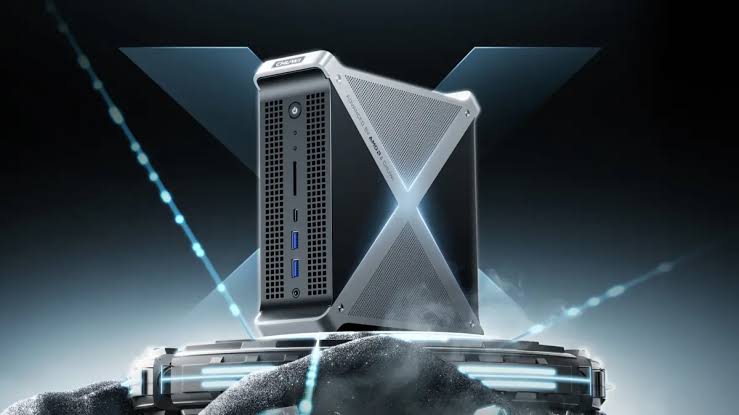
Mini PC manufacturers are finally breaking the memory ceiling that has capped consumer desktops for years. Chuwi recently announced the Unibox AI495 Pro, bringing a custom AMD Ryzen AI processor alongside a staggering 192GB of system memory. This configuration fundamentally shifts how we evaluate compact workstations.
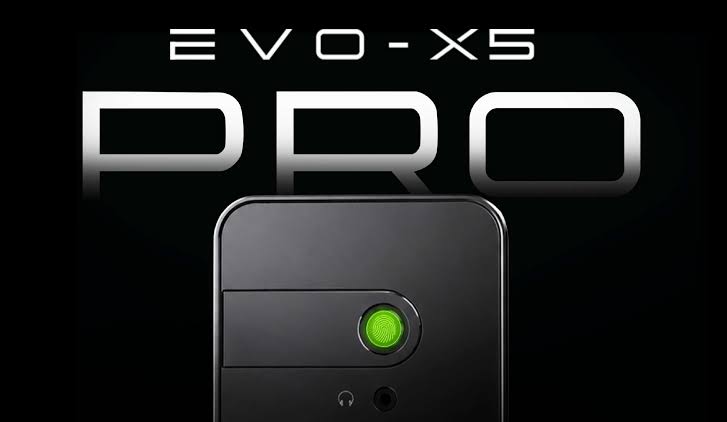
What exactly is the Chuwi Unibox AI495 Pro?
Chuwi has positioned this device as a high-density workstation disguised as a standard mini PC. The chassis houses a custom silicon design built specifically for heavy local processing tasks. The unit delivers workstation-class memory capacity inside a footprint smaller than a typical book.
Manufacturers typically reserve such specifications for tower builds, but Chuwi is challenging that assumption directly. We see this as a direct response to creators who need massive datasets without sacrificing desk space. Engineers have also optimized internal airflow channels to maintain stable thermals during extended renders.
Why does pairing a Ryzen AI Max chip with 192GB RAM matter?
Memory bandwidth often bottlenecks performance when you push modern processors to their absolute limits. This combination allows sustained computational loads without forcing the system to rely on slower virtual memory swaps.
Developers and data scientists benefit immediately because they can keep entire datasets in active working memory. Local inference engines also run significantly smoother when they do not constantly fetch data from storage drives. Similar scalability principles drive initiatives like PYIE Forges India Partnerships, which focus on robust backend infrastructure.
How does this machine compete against established desktop alternatives?
Traditional tower rigs demand far more physical space and cooling infrastructure compared to this compact design. Compact form factors are no longer secondary options but viable primary stations for specialized tasks.
We compare this approach to recent industry moves like Blue Machines AI Launches, which similarly prioritizes dense hardware over traditional expansion bays. Gamers and creatives alike are shifting toward preconfigured systems that eliminate thermal throttling risks entirely.
When and where will buyers actually find this system?
Chuwi is currently directing early adopters to global distribution channels ahead of wider retail rollouts. Pricing details have not been fully locked across every regional market, though Indian distributors are already tracking allocation schedules.
Consumers should expect availability to expand through official e-commerce partners within the current quarter. We note that supply chain logistics often dictate release windows for high-specification builds like this one. Buyers interested in enterprise deployments might contact authorized resellers directly to secure bulk inventory.
What does this launch signal for the future of compact computing?
Hardware architects are clearly abandoning the old rule that small cases must sacrifice serious memory capacity. Industry leaders will soon face pressure to match these density standards across multiple product tiers. We observe similar trends emerging in other sectors, such as Opraah Establishes 48-Hour Payment funding rounds that prioritize scalable infrastructure over legacy hardware dependencies.
As software demands grow heavier, the market will reward manufacturers who solve physical constraints elegantly. The trajectory points toward increasingly powerful desksides that quietly replace rack-mounted servers. Watch how major OEMs respond to these density benchmarks over the coming fiscal year.
Can I upgrade the RAM after purchase?
Most ultra-compact boards solder memory directly onto the motherboard to save space and reduce latency. You should verify the specific service manual before planning post-purchase modifications. Manufacturers rarely include additional slots on motherboards designed for extreme density.
Is the Ryzen AI Max Pro 495 suitable for gaming?
Integrated graphics on this generation handle light titles comfortably but struggle with AAA releases at high settings. Dedicated GPUs remain the better choice for heavy graphical workloads. Casual players can still enjoy competitive esports titles at moderate frame rates.
How does it compare to Intel NUC equivalents?
AMD currently leads in single-threaded efficiency and memory bandwidth for this specific class of devices. We recommend checking benchmark databases for your exact workload requirements. Cross-platform comparisons always favor the chip that best matches your primary application stack.
What are the key specifications of the Chuwi Unibox AI495 Pro?
The Chuwi Unibox AI495 Pro features a Ryzen AI processor, 192GB of RAM, and a compact design, making it suitable for various workstation needs. Additional specifications include storage options, connectivity features, and dimensions, which contribute to its efficiency in a minimal footprint.
Related Articles
Was this article helpful?
Your feedback directly improves future articles on this site.




