RIY1
 TAA0
 LAZ0
 PAR0
 RCL0
 PAR0
 MEX-W
 ARG-W
 ATM0
 DEP0
 MTL0
 NSH1
 ADO0
 HEE0
 UAE
 NED
 PAK
 ENG
 IND-W
 ZIM-W
 GMB
 LES
 MOZ
 ZMB
 Inter Milan
 Fiorentina
 Churchill
 Punjab FC
 NGA
 UGA
 CHE0
 TOT2
 VAL1
 VIL2
 DOR1
 SGE0
 NAP3
 ROMA3
 NZ-A135/3 (41 ov)
 IND-A113
 SYL
 KHU
 MYMS299/4 (87 ov)
 CHATT
 DHA293/3 (84.1 ov)
 RAJ
 RAN320/5 (80 ov)
 BAR
 DEN
 PNG
 NAM321/6
 IRE290 (47.3/50 ov, target 322)
 NZ180/5
 IND181/6 (19.5/20 ov, target 181)
 VEN0
 JPN1
 ZAM0
 FRA1
 Athletic
 Getafe
 C Palace
 Newcastle
 Hull
 Brentford
 Liverpool
 Brighton
 Man United
 Bournemouth
 Atalanta
 Frosinone
 KHO0
 ETT3
 RAC2
 ESP1
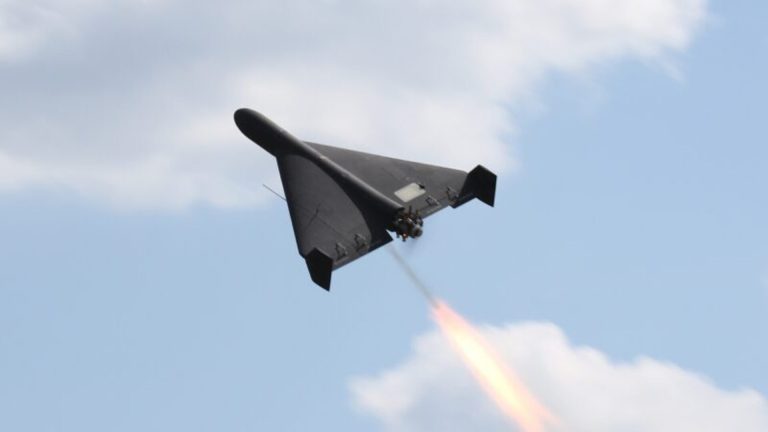
15,000 rubles represents the reported mandatory tracking hardware surcharge for Russian drone tracking systems using ERA-GLONASS. The state-backed announcement reportedly occurred on September 15, 2026, establishing a strict compliance window for manufacturers. Companies are reportedly expected to integrate the specified components starting January 1, 2027. These details remain unconfirmed. The reported directive could fundamentally alter the operational landscape for commercial and industrial aviation sectors ope
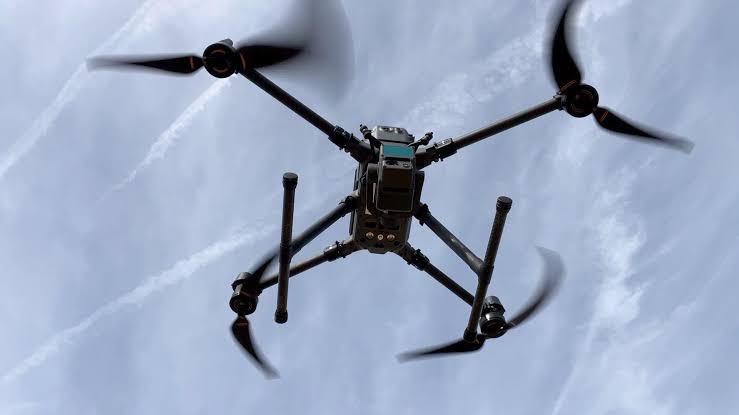
ERA-GLONASS Tracker Processing Power And Memory Allocation
The onboard processing unit designated for the tracking module reportedly utilizes a quad-core ARM Cortex processor. This architecture is expected to provide sufficient computational power for real-time telemetry transmission without imposing excessive energy demands on the aircraft.
The tracking module specifications reportedly require a minimum of 512 megabytes of random-access memory (RAM) to handle simultaneous satellite uplinks and flight path calculations. Engineers reportedly designed the silicon selection to balance high-frequency data routing with sustained thermal efficiency during extended missions.
| Component | Specification | Function |
|---|---|---|
| Processor | Quad-core ARM Cortex | Real-time telemetry processing |
| Memory | 512 MB RAM | Satellite uplink handling |
| Storage | 8 GB Flash | Flight data logging |
| Integration | Reportedly modular retrofit | Airframe compatibility |
ERA-GLONASS Data Logging And Regional Compliance
Storage specifications for flight data logging within the unit are reportedly set at 8 gigabytes of internal flash memory. This capacity is expected to ensure continuous recording of critical flight parameters even during temporary signal loss or electronic interference. The reported hardware integration follows a modular design philosophy, potentially allowing retrofitting onto existing airframes while maintaining aerodynamic efficiency. For more detail, see OpenAI Blog.
The reported system could allow authorities to track registered aircraft through a unified domestic network rather than relying on foreign navigation satellites. This shift could reduce dependency on external systems and enhance situational awareness during complex urban operations. Recent discussions surrounding Big Tech Regulations highlight how governments worldwide are establishing stricter oversight frameworks for emerging technologies. Standardized logging requirements could feed into centralized municipal databases, enabling faster emergency response coordination. For more detail, see VentureBeat AI.
ERA-GLONASS Financial Impact And Market Adaptation
The reported implementation timeline requires manufacturers to begin integration on January 1, 2027. Smaller operators may face significant financial strain due to the added expense, which could directly reduce profit margins on consumer-grade models.
Export-oriented brands might absorb the costs domestically while adjusting Amazon Evaluating Drone networks globally. Stakeholders anticipate that standardized compliance protocols could eventually lower long-term operational costs by reducing unauthorized flight incidents. Compliance deadlines could force rapid innovation in localized navigation hardware across Russia.
FAQs
Will drone
Manufacturers reportedly expect to pass the 15,000-ruble hardware cost directly to consumers starting January 2027.
Can older drones be retrofitted with the reported tracking module?
The reported modular design could allow retrofitting existing airframes to meet the proposed regulatory standards.
How does the reported system affect international drone exports?
Export models may face adjusted pricing strategies to balance domestic compliance costs against global market competition.
Will there be a significant impact on logistics platforms due to the reported regulations?
Stakeholders are concerned about potential bottlenecks in component sourcing during the initial rollout phase. Supply-chain disruptions could delay deliveries for major logistics platforms currently exploring automated solutions, similar to Amazon’s evaluation of drone networks globally.
What are the expected long-term benefits of the reported compliance protocols?
The standardized compliance protocols are anticipated to lower long-term operational costs by reducing unauthorized flight incidents. This could lead to a more efficient and safer aviation ecosystem as the regulations are fully implemented.
Was this article helpful?
Your feedback directly improves future articles on this site.