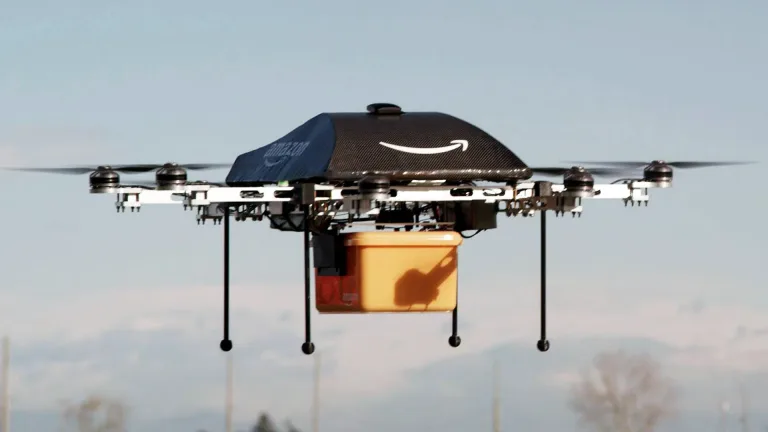
While delivery trucks sit idle in Melbourne traffic jams, Amazon Australia is quietly mapping a different route above the clouds. On Monday, September 28, 2026, the e-commerce giant signaled a major shift in its international strategy by announcing an evaluation of autonomous drone deliveries across Australia and parts of Asia.
This move marks a tangible step toward potential operational infrastructure. Based on reportedly emerging supply-chain reports and hiring data, the expansion is expected to test aerial logistics in densely populated regions, though official hardware blueprints remain unconfirmed.
Prime Air Expansion Details And Hiring Signals
The most concrete reported evidence of this expansion appears in recent hiring listings. Amazon reportedly posted a role titled “Head of Regulatory Approvals, Australia”, tasked specifically with navigating the local aviation framework to secure necessary permissions for aerial drops. This position reportedly reports directly to the “Leader, Prime Air Expansion – Asia Pacific”, suggesting that the Asia-Pacific region sits at the centre of the company’s current growth ambitions.
According to Theregister, which first highlighted the job details, the successful candidate will reportedly face strict performance metrics focused on securing approvals and hitting specific timelines. When queried about additional Asian territories, Amazon did not provide immediate confirmation, leaving observers to speculate on whether Singapore, Japan, or South Korea might follow the Australian pilot programme. Customers could reportedly soon see faster fulfilment times alongside perks like Amazon Gift Card promotions tied to rapid delivery windows.
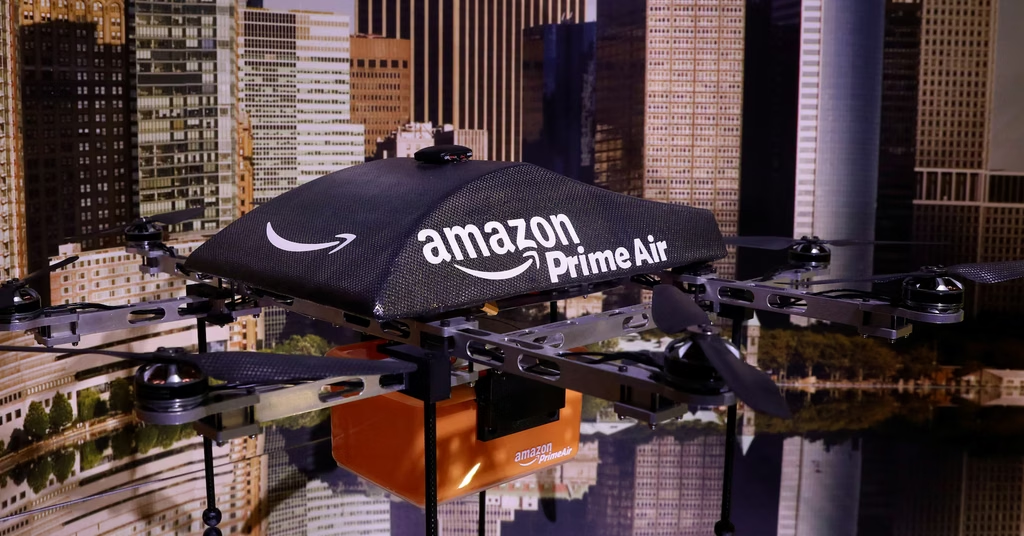
How Amazon Australia Drone Evaluations Navigate Regulatory Landscapes
Regulatory hurdles remain a potential bottleneck for aerial logistics. Discussions regarding autonomous operations are currently underway within the Civil Aviation Safety Authority (CASA) jurisdiction. Securing CASA approval would reportedly require rigorous safety demonstrations that distinguish commercial drone fleets from recreational models.
The proposed delivery drones are targeted to carry packages weighing up to 5 pounds (2.26 kg). This payload capacity reportedly suggests a focus on small, high-value items rather than bulk grocery runs during initial deployments. The weight restriction reportedly reflects engineering trade-offs common in current rotorcraft design. Heavier payloads would require larger rotors and more power, reducing flight endurance and increasing noise pollution concerns in residential zones. Sticking to lighter goods could allow operators to maintain longer flight times while minimizing community disruption.
“Reportedly, the role demands measurable outcomes, where candidates ‘will be measured by the approvals you obtain, the timelines you hit, and – presumably – the ability to integrate seamlessly into existing supply chains without disrupting airspace protocols.'”
Strategic Implications For Future Deployment Cycles
Commercial trial flights in selected Australian suburban regions are projected to begin by Q2 2027. This timeline is expected to allow time for beta testing and iterative safety reviews before any potential full-scale rollout. The hierarchy reportedly revealed by the job postings underscores a centralized approach to regional expansion. By reportedly placing the Australian regulatory lead under an Asia Pacific director, Amazon may signal that lessons learned in Australian suburban regions could inform strategies across Southeast Asia. This cross-regional knowledge transfer could accelerate deployment cycles in neighbouring markets with comparable aviation frameworks. The Prime Air division reportedly leads this charge, aiming to establish a foothold in diverse regulatory environments across the continent. Market analysts could view successful execution in Australia as a template for other regions facing similar airspace restrictions, potentially reshaping global e-commerce fulfilment standards.
As Amazon Australia evaluates these new logistical pathways, the industry watches closely for regulatory breakthroughs. Amazon’s push into aerial logistics demonstrates a commitment to redefining last-mile delivery through careful compliance and incremental scaling. The focus remains on balancing speed with safety as the company tests the viability of autonomous drones in busy urban corridors. Amazon Australia’s drone pivot prioritises safety-compliant payloads over hype, setting a realistic pace for aerial commerce in 2027.
FAQs: Amazon Australia
Which countries are included in Amazon’s current drone delivery evaluation?
What is the maximum payload capacity planned for the proposed delivery drones?
When are commercial trial flights expected to start in Australia?
Who leads the international expansion effort for Prime Air?
Was this article helpful?
Your feedback directly improves future articles on this site.