On October 7, 2026, Microsoft and NVIDIA unveiled an AI-PC initiative. The announcement set a shared direction for Windows computing and NVIDIA-powered artificial intelligence, but it left hardware, pricing, and availability unanswered.
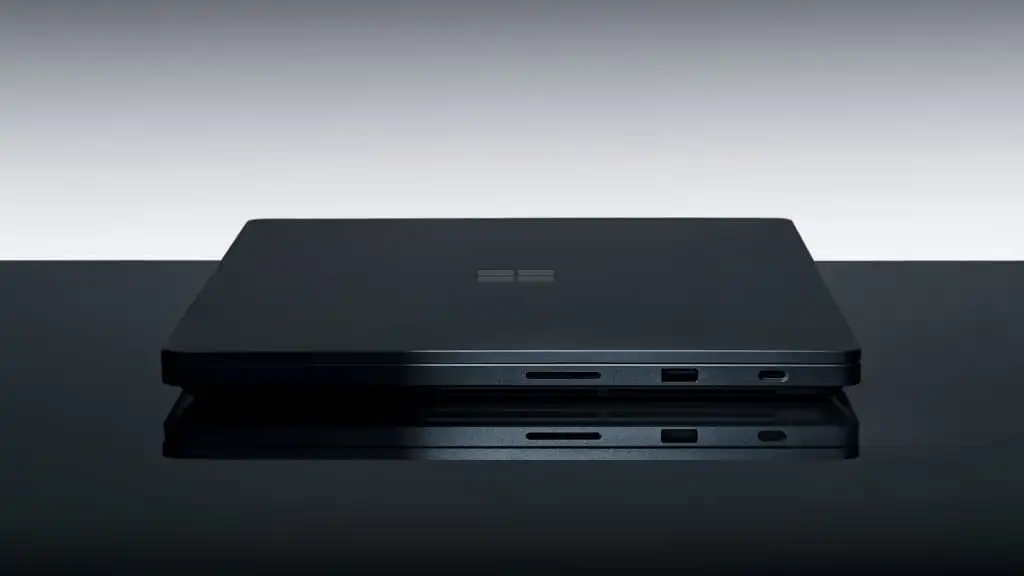
October 7, 2026: Microsoft and NVIDIA Put AI PCs in Focus
The story began on October 7, 2026, when Microsoft and NVIDIA brought an AI-focused laptop and PC push into view. The companies outlined a joint initiative, but they didn’t confirm a final product name, processor model, memory configuration, storage capacity, or launch Microsoft NVIDIA’s AI-Centric laptop provides the immediate background to this announcement. This latest development shifts the discussion from a broad concept toward a product category, although the verified record still lacks a complete specification sheet.
What the AI-PC Announcement Establishes
The confirmed development is that Microsoft and NVIDIA are presenting an AI-PC initiative as a shared hardware and software direction. Microsoft brings Windows and its wider productivity ecosystem, while NVIDIA supplies the artificial intelligence computing platform linked to the project.
So far, this points to a partnership model rather than a standalone Windows refresh. It doesn’t confirm the exact NVIDIA chip inside the computer, either. No verified information supplied for this article names a GeForce RTX model, an RTX PRO part, a neural-processing unit, or a benchmark result. Performance claims should wait until Microsoft or NVIDIA publishes comparable workloads, power figures, and battery data.
| Confirmed area | What is known |
|---|---|
| Companies | Microsoft and NVIDIA |
| Product category | AI PCs |
| Coverage date | October 7, 2026 |
| Product status | AI-centric PC initiative in focus |
| Missing details | Chip, RAM, storage, |
For users, those missing details matter more than the label. “AI PC” might mean local processing, cloud-assisted features, or a mix of both. Each option affects privacy, internet dependence, battery life, and operation.
Why Microsoft and NVIDIA Are Targeting AI PCs
This partnership puts artificial intelligence at the centre of the personal-computer buying decision. Microsoft’s software ecosystem can deliver AI features through Windows, while NVIDIA’s computing technology can support workloads that need more local processing than a conventional laptop offers. That could change how people compare computers.
Buyers may need to look beyond CPU speed, display quality, and battery capacity. Local AI performance, application support, and offline functionality could become just as important. Microsoft’s wider cloud direction matters here, too. Our earlier report on how Microsoft defines Azure adds context, since cloud services may remain part of the company’s AI strategy even as PCs handle more processing locally. For Indian buyers, that raises a practical concern. A laptop that relies heavily on cloud access may be less useful during travel or in areas with inconsistent connectivity, while a system with powerful local AI hardware could come with a higher purchase. For more detail, see Gizmodo.
What Comes Next for Microsoft NVIDIA AI PCs
The next step is a specification and availability announcement. Microsoft and NVIDIA still need to identify the machines, chips, software features, regional pricing, and release markets before buyers can compare them with existing Windows laptops or Apple’s Mac lineup.
The companies also need to explain how applications will use the hardware. Enterprise customers may judge these PCs not only by speed, but also by data handling, deployment rules, and dependence on external services.
The next announcement will show whether this becomes a clearly defined product line or an early framework for future Windows hardware.
Microsoft NVIDIA will matter to buyers only when the AI PCs arrive with transparent specifications, local pricing, and software that works beyond the launch presentation.
FAQs
What did Microsoft and NVIDIA unveil?
They unveiled an AI-PC initiative that puts Microsoft Windows computing and NVIDIA artificial intelligence technology on the same product path. The verified information doesn’t name a final commercial model.
When was the announcement covered?
TechnoSports Media Group covered the development on October 7, 2026. The verified facts didn’t include specific launch or sales dates.
Are the AI-PC specifications confirmed?
No complete specification sheet was provided. The chip, RAM, storage, and availability remain unconfirmed.
Should Indian buyers purchase now?
Buyers should wait for official model names, rupee pricing, warranty terms, and application support. Those details are needed for a meaningful comparison with current Windows laptops and Macs.
Was this article helpful?
Your feedback directly improves future articles on this site.