Mohun Bagan
 Chennaiyin
 PSG
 Lyon
 Sevilla
 Osasuna
 NED
 OMA
 NZ
 IND
 NAM
 IRE
 PAK
 SL
 SA
 AUS
 BAR1
 RMA2
 UDI0
 MIL2
 RSO2
 LEV1
 LEC0
 JUV2
 NZ-A317
 IND-A113 & 488/8 (119 ov)
 SYL280/2 (84 ov)
 KHU
 MYMS465/7d
 CHATT134/2 (40 ov)
 DHA521
 RAJ103/6 (26 ov)
 RAN402
 BAR179/3 (56.1 ov)
 SIKM
 NAGA112/7 (50 ov)
 JHK
 DELHI102/2 (37 ov)
 ODSA100/2 (37 ov)
 SVCS
 BRODA80/3 (32 ov)
 J & K
 CHD130/0 (31 ov)
 HP
 CGR
 AP119/6 (36 ov)
 HYD
 PNJB124/3 (39 ov)
 LUL
 SPR
 MOW
 TOK
 BRB
 MIS
 MEX-W51 (12.5/20 ov, target 187)
 ARG-W186/7
 NGA148
 UGA147/9 (20 ov, target 149)
 GMB112/9
 LES109 (19.5/20 ov, target 113)
 MOZ110/7 (19/20 ov, target 110)
 ZMB109/9
 IND-W328/6
 ZIM-W207 (48.5/50 ov, target 329)
 ENG241
 Abha
 Al Faisaly
 Sassuolo
 Lazio
 Neftchi Fergana
 Al Ittihad
 Besiktas
 Istanbul BB
 Caykur Rizespor
 Trabzonspor
 SUN0
 LEE0
 SCF1
 MUN3
When the multiverse slate initially mapped out its trajectory years ago, the grand architecture of superhero storytelling relied heavily on interconnected crossovers and cascading event films. That said, the structural rhythm began to shift noticeably as creative teams reassessed how audiences process sprawling narrative arcs.
Early foundational blocks established a predictable tempo of solo introductions followed by massive team-up payoffs, creating an expectation of constant escalation across theatrical windows.
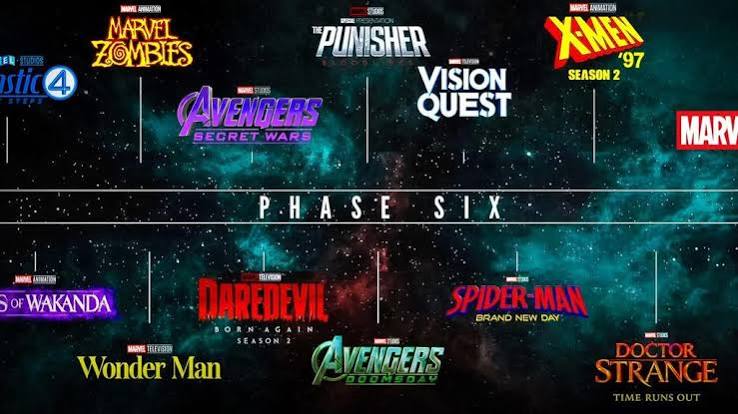
The Early Blueprint and Escalation Beats
The initial phases of the overarching saga deployed a rapid-fire release strategy that kept momentum aggressively high across streaming and theatrical spaces. Production pipelines operated under strict annual quotas, ensuring that fans always had a new episodic chapter or big-screen spectacle to track.
However, this relentless volume occasionally compressed character development windows, leaving major plot turns to rush toward their climactic resolutions. As Anthropic CEO Says AI advancements began streamlining post-production workflows, studio executives realized that sheer output might eventually dilute the impact of individual tentpole releases.
The Mid-Tier Realignment and Breathing Room
Recognizing fatigue among moviegoers, studio leadership instituted a strategic pivot toward deliberate pacing and focused character studies rather than non-stop cosmic threats. The production timeline experienced notable delays as scripts underwent extensive revisions to prioritize narrative depth over strict calendar deadlines.
This creative slowdown allowed directors to experiment with genre-specific tones, shifting away from standardized template filmmaking. Industry observers noted that this recalibration mirrored shifts seen elsewhere in the media landscape, such as when Netflix’s ‘The Sticks’ Sparks intense debates over serialized binge formats versus weekly drops.
The Pivot Toward Intimate Stakes
As the narrative slate advanced toward its penultimate chapters, the scale of conflict contracted to focus heavily on personal stakes and grounded political friction. Instead of relying purely on CGI-heavy spectacle, creative teams leaned into dialogue-driven tension and psychological depth.
This structural change redefined how box office trajectories played out, proving that audiences responded well to well-paced tension rather than escalating chaos. Similar creative adjustments were monitored across other major entertainment sectors, including how Samay Raina Faces Backlash for pushing the boundaries of live-stage comedy pacing.
Present-Day Implications and Future Windows
Today, the pacing philosophy of modern franchises focuses on sustainable world-building rather than rushed chronological sprints. The studio production pipeline now values quality control and post-production refinement over rushed release dates, ensuring that each theatrical window feels earned.
This deliberate approach shapes how global streaming strategies and box office forecasts intersect, establishing a new baseline for major Intellectual property management. Meanwhile, corporate shifts in related industries, such as when FIFA COO Out Amid administrative restructuring, highlight how legacy institutions constantly adapt their internal pacing to meet modern demands.
Deliberate narrative pacing remains the ultimate defining factor for long-term franchise survival in an increasingly crowded media ecosystem.
Related Articles
- Lock Upp 2: Ram Kapoor's Heated Outburst At Farah Khan Sparks Massive Online Backlash
- Is the FIFA World Cup for Sale? Infantino's Reported Plan to Bring…
- "Overdo" Premiere Backfires: AI Intro and "Short Drama" Look Spark Fan Backlash
FAQs
What caused the pacing shift in recent cinematic phases?
Studio leadership prioritized narrative depth and character-driven storytelling over rushed release schedules to combat viewer fatigue.
How has the production pipeline changed?
Post-production windows have been significantly extended to allow for thorough script revisions and refined visual effects work.
Are future releases adhering to this slower cadence?
Current industry indicators suggest that major studios are maintaining a more measured release frequency to protect brand value.
Was this article helpful?
Your feedback directly improves future articles on this site.