SAS0
 FIO0
 ALS0
 AHL0
 TRA1
 NEF2
 GEN1
 ALA0
 ATA
 PAR
 LOR
 BRE
 NEW
 EVE
 DEP
 OSA
 WI-A
 LIONS
 Galatasaray
 Stuttgart
 Shakhtar
 Sporting
 Atlético
 Bayern
 NED183/3 (36/50 ov, target 183)
 OMA182
 Athletic2
 Real Sociedad1
 Juventus2
 Napoli0
 Marseille2
 Toulouse0
 NZ-A424
 IND-A346 & 32/0 (11 ov)
 QLD280
 VIC307 & 136/6 (66 ov)
 SYL218 & 218
 CHATT210 & 126/1 (37 ov, target 227)
 MYMS108 & 315/9 (91 ov) (f/o)
 KHU288
 DHA
 BAR266/8 (70 ov)
 RAN256
 RAJ231 & 110/3 (27 ov)
 ASSAM135
 KNTKA180/2 (36 ov)
 MEGHA
 NAGA244/8 (67 ov)
 TPURA219/7 (74.3 ov)
 SAU
 BENG143
 MAHA21/2 (8 ov)
 ODSA
 JHK37/3 (25 ov)
 CHD
 TN320/4 (86 ov)
 NZ
 IND
 UAE
 TOK
 MOW
 BIK
 JAB
 LUL
 POA
 DOLPH
 WPR
 CD
 AUCK
 AFG81/3 (8.1/20 ov, target 80)
 ZIM79
 NAM131/5 (21.2/50 ov, target 130)
 IRE129
 MS-W109 (18.1 ov)
 PS-W124/9
 SHO2
 MGR0
 KAL0
 IRAK0
 VLL1
 LEG1
 Barcelona
 Aston Villa
 Elche0
 Valencia1
 Lecce1
 Genoa2
 Liverpool0
 Arsenal1

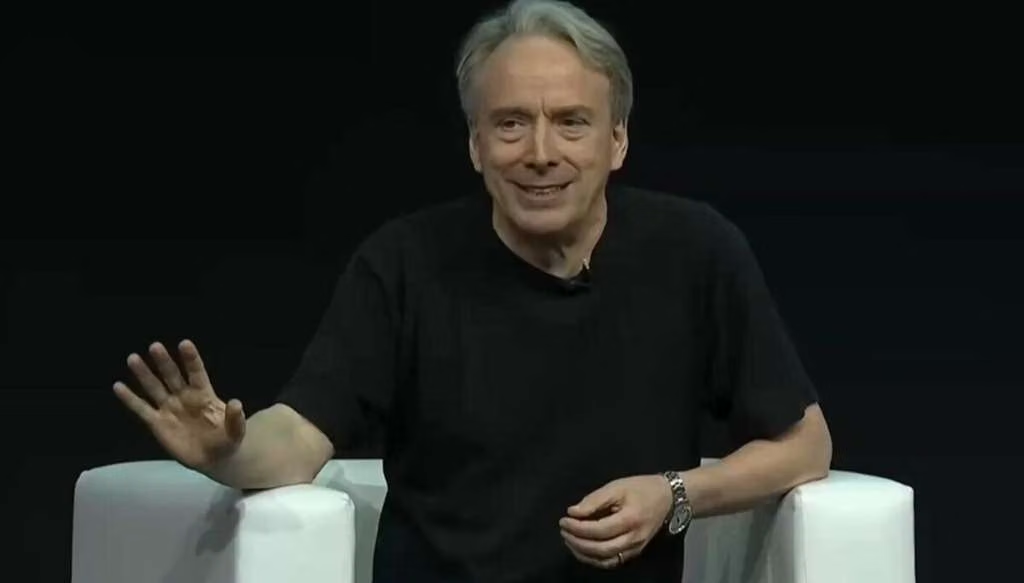
On November 2, 2026, Linux creator Linus Torvalds said the project had moved beyond its AI stabilization phase. The goal isn’t to reduce AI-generated code; it’s to bring those patches into the main development cycle before they bottleneck release candidates.
The problem: AI fixes arriving too late
The issue isn’t simply that AI contributes code to Linux. It’s when that work arrives in the development cycle. Torvalds said he’d rather see AI-triggered work enter the merge window than show up mainly as extra fixes during the release candidate period. That matters because stabilization should settle a release, not absorb a late wave of changes.
Fixes arriving then add review pressure just as maintainers prepare a candidate release, and Torvalds’s comments frame timing—not volume alone—as the more important measure of progress. Linux 7.4’s current merge window was reportedly unusually large, with almost 20,000 commits compared with a usual total of about 15,000. In coverage highlighted on November 2, Theregister reported that Torvalds saw the increase as a positive sign if AI-related work is becoming part of normal development.
Why Linus Torvalds prefers earlier AI integration
In Torvalds’s view, the root cause is a mismatch between when AI-assisted patches are produced and when they’re integrated. A late burst of fixes can make stabilization feel like a second development window. Bringing those changes into the regular merge process lets maintainers assess them alongside the broader flow of kernel work.
He called the current approach a “much healthier model.” That describes a workflow, not a claim that AI-generated code can be merged without scrutiny. Reporting also notes that machine-made patches are often rewritten, so human review and editing remain part of the process. The distinction sets a practical standard: the project can benefit from assistance without treating generated patches as finished work. His comments don’t establish a new formal rule for contributors or say how many commits in the window involved AI.
Three paths for AI contributions
There are three broad ways to handle AI-assisted changes. The first is to bring them in during the ordinary merge window, the approach Torvalds welcomed.
The drawback is that a larger window still means more commits to review, as the Linux 7.4 figures show. The second path is to defer AI-related fixes until the release candidate period. That may keep the initial merge window smaller, but it risks concentrating review pressure late in the cycle.
| Approach | Benefit | Trade-off |
|---|---|---|
| Merge-window integration | Earlier assessment by maintainers | Larger window means more commits to review |
FAQs
What did Linus Torvalds say about the Linux kernel’s stabilization phase?
Linus Torvalds announced that the Linux kernel has moved out of the stabilization phase, indicating a shift towards a more robust and dynamic development approach.
How does Linus Torvalds describe the current model for AI contributions to Linux?
Linus Torvalds described the current model for AI contributions as a “much healthier model,” suggesting improved collaboration and integration within the Linux community.
Read Next
- OpenAI Pledges to Buy Google AI Chips in First Move Away From Google, Nvidia, and Reliance
- Apple iPhone Duo vs iPhone Air: Which Should You Choose?
- ONDC DigiDukaan: How India’s 1.4 Crore Kiranas Are Going Digital, One Restock at a Time
Was this article helpful?
Your feedback directly improves future articles on this site.