The sun-drenched streets of California are home to a burgeoning e-bike culture, a quiet revolution reshaping urban mobility. However, a new proposal in the state legislature aims to introduce mandatory e-bikeregistration, a move that could significantly alter the landscape for riders and the state’s climate goals. Introduced in March 2026, this bill seeks to implement a $20 annual fee and registration for certain e-bikes, sparking debate beyond mere safety concerns.
Ebikeregistration: The Environmental and Urban Mobility Implications of Mandatory E-Bike Registration
While the primary driver for this proposed e-bikeregistration mandate is undoubtedly safety, its potential impact on California’s ambitious environmental and urban planning objectives cannot be overlooked. E-bikes represent a crucial piece of the puzzle for reducing traffic congestion and lowering carbon emissions in the Golden State. By offering an affordable, efficient, and eco-friendly alternative to cars for short to medium-distance travel, they directly contribute to cleaner air and more livable cities. The introduction of a registration fee, however small, could act as a deterrent for potential new adopters, especially those on tighter budgets. This is a critical consideration for a state striving to meet aggressive climate targets. If e-bikeregistration discourages adoption, it could inadvertently slow progress towards sustainable transportation goals, pushing more people back into cars. The real question is whether the safety benefits will outweigh this potential setback for green mobility.
Ebikeregistration: Safety Concerns and Regulatory Alignment for E-Bikes
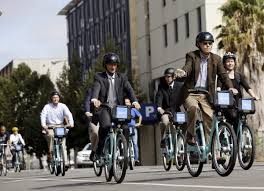
The California Highway Patrol’s report of a 15% increase in e-bike related accidents in 2025 compared to the previous year has undeniably amplified calls for stricter regulation. The proposed bill specifically targets e-bikes with motor power exceeding 750 watts or those capable of speeds over 28 mph, aligning with federal classifications for Class 3 e-bikes.
This focus suggests an effort to differentiate between lower-powered, bicycle-like e-assist devices and more powerful, motor-driven vehicles that may pose greater risks. Provisions for mandatory safety training and helmet use for Class 3 riders further underscore this safety-first approach. However, critics argue that focusing solely on registration might not be the most effective way to address accident causes, which often stem from rider behavior, infrastructure issues, and a lack of clear traffic laws for these vehicles. That said, ebikeregistration is worth examining closely here. Motor Trend confirms.