SA329
 AUS330/4 (90 ov)
 BAN213/3 (74 ov)
 WI
 GEN2
 JUV0
 MON1
 NAP2
 MNC1
 BHA2
 ABE0
 FALK0
 CEL1
 DUN2
 DUN1
 KIL0
 UAE
 OMA
 ENG
 SL
 AFG
 ZIM
 Al Khaleej
 Al Hazem
 Frosinone
 Lecce
 Al Nassr
 Al Kholood
 Al Riyadh
 Al Qadsiah
 Fiorentina
 Atalanta
 MIL2
 BOL4
 PAR0
 UDI0
 VEN0
 INT2
 FC Goa1
 SCD1
 KENYA
 KUW
 SIKM184 & 87/4 (32 ov, target 212)
 NAGA187 & 208
 JHK131/4 (47 ov)
 DELHI515/5d
 ODSA194
 SVCS13/0 (5 ov)
 BRODA616
 J & K303 & 8/1 (6 ov) (f/o)
 CHD685/5d
 HP340/3 (104 ov)
 CGR216/8 (95 ov)
 AP231
 HYD380
 PNJB431 & 57/0 (24 ov)
 KNTKA490/9d
 TPURA194 & 98/3 (38 ov)
 KER141 & 53/4 (20 ov, target 408)
 BENG350 & 198
 NZ
 IND
 NAM
 IRE
 MR-W
 ST-W
 MS-W
 HH-W
 BH-W
 SS-W
 IND-W133/2 (17/50 ov, target 132)
 ZIM-W131
 LIONS204/1 (18/20 ov, target 199)
 EASTN198/6
 BRB81 (12.1/20 ov, target 178)
 VAG177/7
 POA145/7
 SPR148/4 (16.5/20 ov, target 146)
 DEN120
 QAT68 (16.2/50 ov, target 121)
 STJ1
 MOT1
 STM0
 HIBS0
 BOU2
 AVL0
 FUL0
 CRY1
 SUN3
 BRE1
 HOM0
 RAN1
 Fluminense
 Internacional
 Bragantino
 Chapecoense
 Santos
 Palmeiras
 AS Roma4
 Cagliari2
 Torino1
 Como3

The electric vehicle (EV) market is on the cusp of a significant shift, with CATL securing a massive 60 GWh deal to supply mainstream sodium-ion batteries as of April 28, 2026.
This isn’t just about raw capacity; it’s a strategic move that promises to reshape raw material sourcing and reduce the environmental footprint of battery production, a topic often overlooked in the rush for faster charging and longer range. We believe this development could prove more impactful than many realize, especially for mass-market EVs. Catl batteries, in particular, deserves more attention than the headline suggests.
Catl batteries: Why CATL’s Sodium-Ion Deal Matters for the Supply Chain
This colossal 60 GWh deal for CATL batteries represents a crucial turning point, moving beyond lithium-ion’s dominance. The primary advantage of sodium-ion technology lies in its raw material abundance; sodium is far more common and geographically diversified than lithium, which is concentrated in a few regions globally.
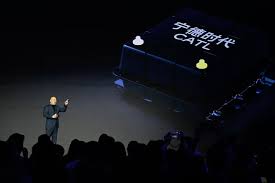
This diversification can significantly de-risk the supply chain, making EV production less susceptible to geopolitical tensions and price volatility — a persistent concern for automakers. Not everyone agrees, of course; some critics argue that the energy density of sodium-ion still lags behind lithium-ion, potentially limiting its appeal for premium segments. However, for the burgeoning mass-market EV sector, where cost and resource availability are paramount, this represents a major leap forward, especially with the push for more sustainable manufacturing.
The implications for environmental impact are also substantial. Extracting lithium often involves water-intensive processes, particularly in arid regions, raising environmental concerns. Sodium, conversely, can be sourced with a comparatively lower environmental toll, reducing the overall carbon footprint of battery manufacturing. We’ve seen Chinese automakers like BYD Yangwang U8 Surpasses order expectations, demonstrating the scale at which new battery technologies need to perform. This deal, therefore, isn’t just about securing components; it’s about building a more resilient and responsible future for the automotive industry.
Mainstream Adoption and Real-World Impact
The integration of CATL sodium-ion batteries into multiple EV models launching in late 2026 and early 2027 marks their true entry into the mainstream. These batteries are targeted primarily at mass-market electric vehicles, aiming to make EVs more accessible to a broader consumer base. We anticipate this will significantly drive down the entry price point for electric cars, echoing similar shifts we’ve observed with accessible models like the Xiaomi SU7 Accelerates Chinese EV progress.
FAQs
What is CATL’s recent 60 GWh deal about?
CATL has secured a deal to supply 60 GWh of mainstream sodium-ion batteries, marking a significant step in expanding the commercial use of this battery technology.
Why are sodium-ion batteries important for CATL?
Sodium-ion batteries offer a cost-effective and sustainable alternative to lithium-ion batteries, with advantages in resource availability and safety, aligning with CATL’s innovation goals.
How will this deal impact the battery and electric vehicle market?
The deal is expected to accelerate the adoption of sodium-ion batteries in electric vehicles and energy storage, potentially reducing costs and diversifying battery supply chains.