NZ
 IND
 NAM
 IRE
 MOZ
 UGA
 Aston Villa
 Man City
 Rayo
 Elche
 GMB
 ZMB
 NGA
 LES
 Cagliari
 Bologna
 IPS1
 NFO1
 ALA1
 MCF1
 TOR3
 MON2
 BRE1
 NICE2
 TAS129/7 (23.3/35 ov, target 276)
 VIC304/7 (50 ov)
 WA
 NSW38/1 (9/50 ov)
 NZ-A135/3 (41 ov)
 IND-A113
 DHA
 RAJ
 MYMS
 CHATT
 RAN
 BAR
 SYL
 KHU
 MEX-W
 ARG-W
 UAE
 NED
 AFG170/3 (34.3/50 ov, target 170)
 ZIM169
 IND-W200/1 (27.1/50 ov, target 198)
 ZIM-W197
 DOLPH56/0 (3.5/8 ov, target 56)
 SWD51/4 (8/8 ov)
 WSW1
 BRI1
 Como
 Sassuolo
 Augsburg
 Union Berlin
 Cologne
 Schalke
 Mainz
 Bremen
 RB Leipzig
 Elversberg
 VFB2
 BMG3
 AHL4
 KHA1

Xiaomiev’s launch of the Xiaomi SU7 today, April 27, 2026, marks a significant moment not just for the tech giant’s automotive ambitions, but for the broader landscape of sustainable innovation in China’s rapidly evolving electric vehicle market.
While many reports focus on its impressive performance figures and smart tech, the real story lies in Xiaomi’s commitment to eco-friendly manufacturing practices. The starting price for the Xiaomi SU7 is set at 299,900 Chinese Yuan (approximately $43,000 USD), with available variants including Standard, Pro, and Performance editions, all designed with an eye toward reducing environmental impact throughout their lifecycle. We believe this focus on sustainability, often overlooked, is what truly sets this vehicle apart.
Xiaomiev: Xiaomi’s Eco-Conscious Manufacturing Footprint
While the competition often touts horsepower and battery size, Xiaomi is quietly demonstrating a deeper commitment to the planet. The production of the SU7 incorporates recycled materials in its interior components, a move that reduces reliance on virgin resources.
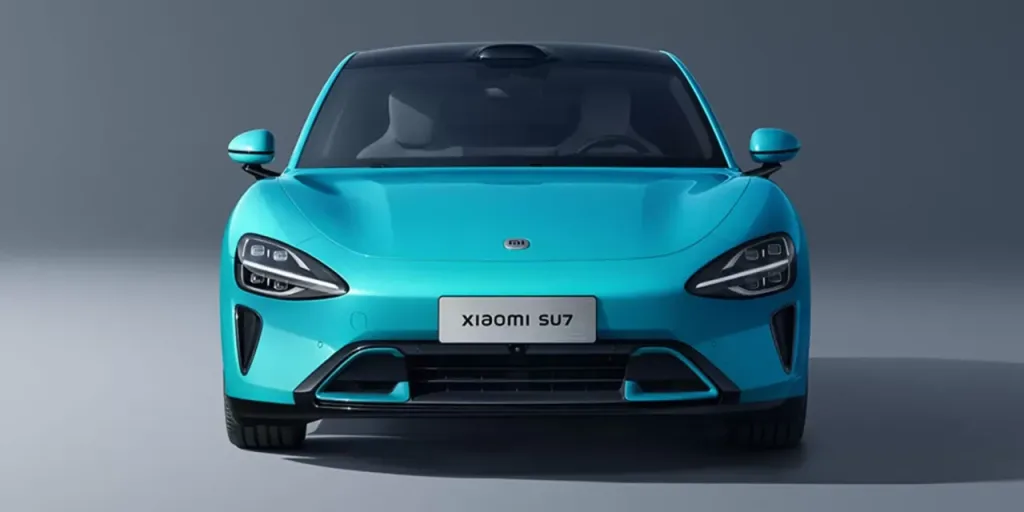
Furthermore, Xiaomi has invested heavily in renewable energy sources to power its manufacturing facilities, aiming to minimize the carbon footprint from the outset. This isn’t just about a green paint job; it’s about a holistic approach to sustainability that we rarely see prioritized this prominently at launch. This dedication to eco-friendly production is a critical differentiator in a market increasingly scrutinized for its environmental impact. It’s a bold statement that could influence future EV development globally. That said, xiaomiev is worth examining closely here.
Performance Meets Environmental Responsibility
The Xiaomi SU7 doesn’t compromise on performance to achieve its sustainability goals. It boasts an electric motor with a formidable 300 kW power output and 600 Nm of torque, propelling it from 0 to 100 km/h in a brisk 3.8 seconds. This exhilarating acceleration is matched by a confirmed driving range of 650 kilometers on a single charge (NEDC cycle), making it a practical choice for urban Chinese consumers. Motor Trend reports.
Crucially, the SU7 supports fast charging, capable of reaching 80% battery capacity in just 30 minutes, minimizing downtime. The target market primarily includes these urban consumers seeking high-performance electric SUVs, but now they can choose a vehicle that aligns with their environmental values without sacrificing speed or convenience. This dual focus is a testament to Xiaomi’s advanced engineering capabilities. Xiaomiev, specifically, plays a bigger role than most coverage suggests.