NZ
 IND
 NAM
 IRE
 MOZ
 UGA
 Aston Villa
 Man City
 Rayo
 Elche
 GMB
 ZMB
 NGA
 LES
 Cagliari
 Bologna
 IPS1
 NFO1
 ALA1
 MCF1
 TOR3
 MON2
 BRE1
 NICE2
 TAS67/4 (15.4/50 ov, target 305)
 VIC304/7
 NZ-A133/1 (39.2 ov)
 IND-A113
 DHA
 RAJ
 MYMS
 CHATT
 RAN
 BAR
 SYL
 KHU
 UAE
 NED
 PAK
 ENG
 IND-W
 ZIM-W
 AFG170/3 (34.3/50 ov, target 170)
 ZIM169
 DOLPH56/0 (3.5/8 ov, target 56)
 SWD51/4 (8/8 ov)
 WSW1
 BRI1
 Como
 Sassuolo
 Augsburg
 Union Berlin
 Cologne
 Schalke
 Mainz
 Bremen
 RB Leipzig
 Elversberg
 VFB2
 BMG3
 AHL4
 KHA1

What Does Real-World EV Performance Look Like?
Fleet’s decision to share raw data from their fleet offers a refreshing transparency often missing in the automotive industry. The company targets urban commuters and small business fleets, a segment that demands reliability and economic efficiency. Their flagship electric vehicle, part of this shared data, boasts 250 horsepower and 320 Nm of torque, achieving a brisk 0-100 km/h acceleration in just 6.5 seconds. This isn’t just about speed; it’s about demonstrating that electric vehicles can meet, and often exceed, the performance expectations set by traditional gasoline-powered cars. The data confirms that driving pleasure doesn’t require a compromise on environmental responsibility.
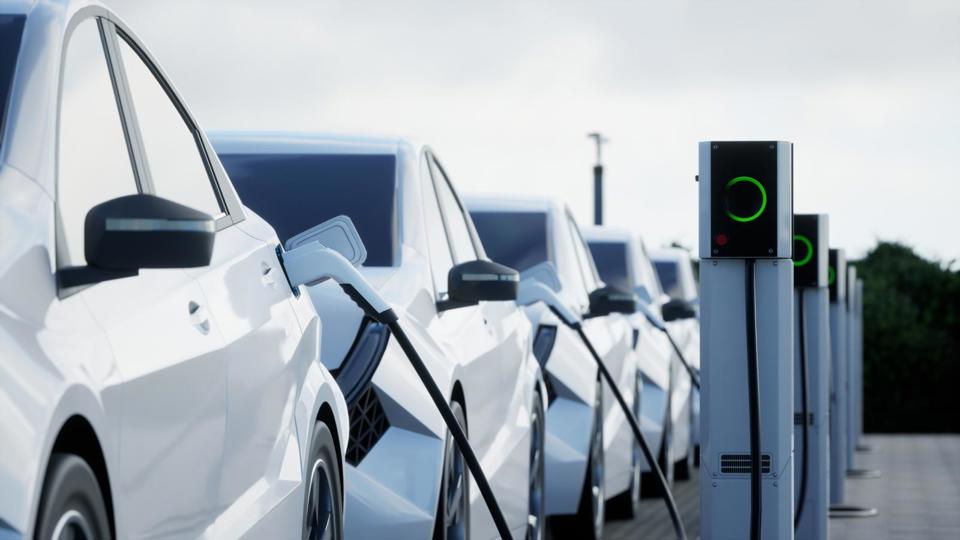
Fleet’s EV Fleet Delivers on Range and Efficiency
The true test for any electric vehicle is its real-world range and efficiency, especially for commercial applications. Fleet’s data confirms their EVs achieve a substantial 420 kilometers on a single charge. This figure is crucial for businesses that rely on their vehicles for daily operations without constant interruption. Furthermore, the fleet’s average energy consumption is reported at a highly efficient 15 kWh per 100 km. This statistic is vital for calculating running costs and understanding the total cost of ownership. For businesses considering a switch, this level of detail is invaluable, moving beyond manufacturer claims to actual, verifiable results.
The Bottom Line: Significant Cost Savings for Businesses
The most compelling takeaway from Fleet’s data sharing is the confirmed cost savings. Compared to equivalent internal combustion engine vehicles, Fleet reports an average saving of approximately 30% on fuel and maintenance. This is a substantial figure that can significantly impact a company’s bottom line. For small businesses, this translates directly into increased profitability. For urban commuters, it means lower personal expenditure. Not everyone is convinced that the initial investment in an electric vehicle is immediately recouped, citing charging infrastructure challenges. However, Fleet’s data provides concrete evidence that over the vehicle’s lifecycle, the savings are substantial and undeniable. This aligns with broader trends in the Tesla Supercharging: Free Year news, showing a clear path to economic viability for EVs.
Key Specifications and Variants
Fleet offers its electric vehicle in two distinct variants: Standard and Premium. The confirmed base price sits at $39,900, making it an accessible option in the growing it market. While specific feature differences between the Standard and Premium trims weren’t detailed in the shared data, the pricing structure suggests a tiered approach to cater to different budget requirements. This pricing strategy, coupled with the reported performance and savings, positions Fleet’s this as a strong contender for its target market.