LAZ2
 PAR0
 RCL1
 PAR1
 MEX-W
 ARG-W
 ATM1
 DEP0
 ADO1
 HEE2
 CLB2
 TOR0
 GVFC0
 FCP0
 Internacional2
 Botafogo0
 UAE
 NED
 PAK
 ENG
 IND-W
 ZIM-W
 GMB
 LES
 MOZ
 ZMB
 Inter Milan
 Fiorentina
 Churchill
 Punjab FC
 NGA
 UGA
 RIY2
 TAA1
 CHE0
 TOT2
 VAL1
 VIL2
 DOR1
 SGE0
 NZ-A135/3 (41 ov)
 IND-A113
 SYL
 KHU
 MYMS299/4 (87 ov)
 CHATT
 DHA293/3 (84.1 ov)
 RAJ
 RAN320/5 (80 ov)
 BAR
 DEN
 PNG
 NAM321/6
 IRE290 (47.3/50 ov, target 322)
 NZ180/5
 IND181/6 (19.5/20 ov, target 181)
 Mirassol1
 São Paulo1
 Vitória1
 Athletico-PR1
 Athletic
 Getafe
 C Palace
 Newcastle
 Hull
 Brentford
 Liverpool
 Brighton
 Man United
 Bournemouth
 Atalanta
 Frosinone
 NAP3
 ROMA3
 KHO0
 ETT3
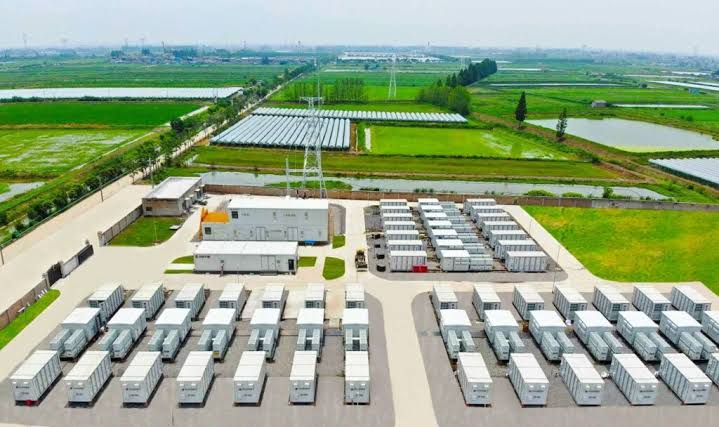
China has announced a 12 GWh project to mass-produce large cylindrical sodium-ion battery cells. It’s a move that could shake up the global energy-storage supply chain. Interestingengineering reported the initiative first, and it signals Beijing’s intent to lean less on lithium-ion technology for grid-scale and industrial work.
The factory will build large cylindrical cell formats — a shape already standard in automotive and stationary storage markets. At 12 GWh of annual capacity, the facility would rank among the biggest sodium-ion production lines outside China’s existing pilot plants. The chemistry uses cheap, abundant materials instead of lithium, cobalt, and nickel. That cuts raw-material expenses by an estimated 30 to 40 percent per kilowatt-hour. And the timing matters: battery manufacturers everywhere face growing pressure to diversify beyond lithium-ion supply chains controlled by a handful of nations.
Why Sodium-Ion Cells Matter Now
Lithium is the bottleneck this project is trying to work around.
What The Google And Samsung Connection Signals
The source URL points to Google-backed and Samsung-linked ventures in nuclear and energy, which suggests major technology investors are watching sodium-ion developments closely. Battery-storage economics increasingly decide whether data centres, electric-vehicle charging networks, and renewable-energy projects turn a profit.
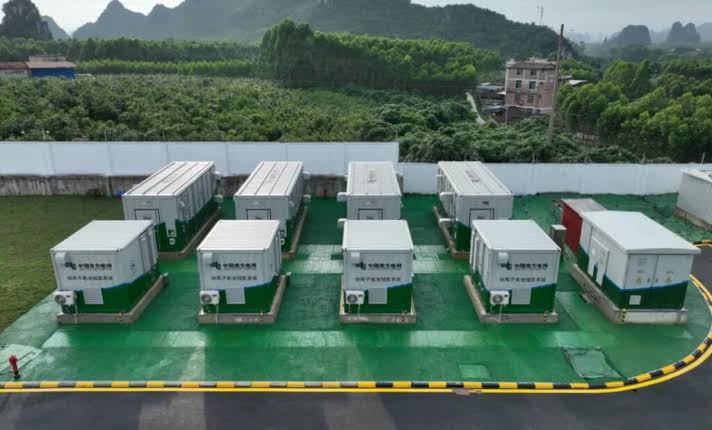
A cheaper, geopolitically resilient cell chemistry could lower capital costs across all three sectors. That said, sodium-ion cells come with trade-offs. They typically deliver lower energy density than lithium-ion equivalents, so you get heavier packs for the same storage capacity. On stationary grid storage, where weight hardly matters, that disadvantage shrinks fast. In electric vehicles, the density gap still blocks widespread adoption in long-range models.
What Happens Next
Nobody has disclosed construction timelines or specific factory locations yet. The 12 GWh target implies a multi-year build-out, with initial production likely beginning before 2030 — if the project secures financing and permitting on schedule.
Industry watchers will track whether the cylindrical format gains traction against the prismatic and pouch designs that currently dominate sodium-ion deployments. Unit economics at scale will be the real test. If the factory can deliver cells below $40 per kilowatt-hour, sodium-ion technology would undercut lithium-ion on price.
FAQs
Was this article helpful?
Your feedback directly improves future articles on this site.