NEW0
 SHP2
 WI-A
 LIONS
 GAL
 VFB
 SHK
 SCP
 ATM
 MUN
 BAR
 AVL
 BODO
 LILL
 FEY
 INT
 LAS
 SLB
 Newcastle0
 Everton1
 Deportivo2
 Osasuna1
 Atalanta0
 Parma3
 Lorient0
 Brest2
 BIK174/3
 JAB3/0 (1/20 ov, target 175)
 DHA
 BAR266/8 (70 ov)
 RAN256
 RAJ231 & 110/3 (27 ov)
 ASSAM135
 KNTKA406/5 (96 ov)
 MEGHA144
 NAGA254 & 10/2 (4 ov)
 TPURA268
 SAU115/8 (42 ov)
 BENG143
 MAHA169/9 (63 ov)
 ODSA
 JHK176/4 (82 ov)
 CHD
 TN499/6 (142 ov)
 CGR284
 HYD161/3 (48 ov)
 DELHI180/5 (55 ov)
 SVCS266
 GOA397
 BIHAR71/4 (15 ov)
 NZ
 IND
 UAE
 OMA
 HH-W
 MR-W
 LUL
 POA
 DOLPH
 WPR
 CD
 AUCK
 NED183/3 (36/50 ov, target 183)
 MS-W109 (18.1/20 ov, target 125)
 PS-W124/9
 CHR129/6
 SPR131/5 (16.4/20 ov, target 130)
 KAY180/6
 KAG181/6 (19.4/20 ov, target 181)
 MOW120/7 (19.2/20 ov, target 120)
 BRB119
 MAN
 ROMA
 Sassuolo2
 Fiorentina4
 Bragantino2
 Santos1
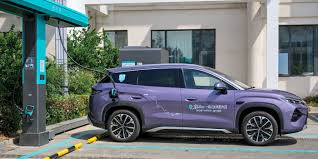
The BYD Song Ultra EV is proving that range anxiety is becoming a relic of the past after successfully completing an arduous 2,700-mile journey across diverse terrain. By leveraging a next-generation battery architecture, the vehicle demonstrated that high-speed charging can effectively match the convenience of traditional refueling.
This milestone isn’t just about distance; it’s about the technical capability to handle rapid energy intake, a feature we believe will define the next wave of electric mobility in India. Bydsongultra, in particular, deserves more attention than the headline suggests.

Bydsongultra: Technical Milestones of the BYD Song Ultra EV
What makes this achievement noteworthy is the implementation of a new battery chemistry that allows the vehicle to recover significant range in just five minutes. While many current models require thirty minutes or more at a DC fast charger, this system pushes the boundaries of thermal management and power delivery. We have monitored similar developments in the industry, such as the battery recycling obligations currently under discussion by global regulators, and it is clear that battery longevity remains a critical concern for manufacturers.
The 2,700-mile test confirms that the BYD Song Ultra EV maintains consistent performance even under heavy discharge cycles. The vehicle utilized a series of high-capacity charging stations, mimicking the infrastructure gaps often found in rural transit corridors. If this technology scales, the reliance on massive, heavy battery packs could decrease, potentially lowering overall vehicle weight and manufacturing costs.
. Bydsongultra, specifically, plays a bigger role than most coverage suggests.
Market Implications for Electric Vehicles
The success of this long-distance run provides a strong counter-argument to those who suggest that electric vehicles are strictly for urban use. While some critics argue that the required grid infrastructure is not yet ready for mass adoption, the efficiency of this new charging standard suggests otherwise. We expect this will pressure domestic leaders like Tata, who recently made waves with their own Tata Launches Ultra series, to accelerate their charging speed capabilities.
Still, the true test remains in the scalability of these five-minute charging ports. As we have seen with the Nanaimo Road Battery incident, safety and thermal stability during rapid charging are paramount. The BYD Song Ultra EV appears to have navigated these challenges, but widespread adoption will depend on how reliably these systems perform after thousands of charge cycles. BYD Song Ultra