MEX-W
MEX-W ARG-W
ARG-W CLB4
CLB4 TOR1
TOR1 GVFC0
GVFC0 FCP1
FCP1 Mirassol1
 São Paulo1
 Vitória1
 Athletico-PR1
 Vasco0
 Corinthians0
 UAE
UAE NED
NED PAK
PAK ENG
ENG IND-W
IND-W ZIM-W
ZIM-W GMB
GMB LES
LES MOZ
MOZ ZMB
ZMB Inter Milan
 Fiorentina
 Churchill
 Punjab FC
 NGA
NGA UGA
UGA ATM1
ATM1 DEP0
DEP0 LAZ2
LAZ2 PAR1
PAR1 RCL2
RCL2 PAR1
PAR1 RIY2
RIY2 TAA1
TAA1 NZ-A135/3 (41 ov)
 IND-A113
 SYL
SYL KHU
KHU MYMS299/4 (87 ov)
 CHATT
CHATT DHA293/3 (84.1 ov)
 RAJ
RAJ RAN320/5 (80 ov)
 BAR
BAR DEN
DEN PNG
PNG NAM321/6
 IRE290 (47.3/50 ov, target 322)
 NZ180/5
 IND181/6 (19.5/20 ov, target 181)
 Athletic
 Getafe
 C Palace
 Newcastle
 Hull
Hull Brentford
 Liverpool
 Brighton
 Man United
 Bournemouth
 Atalanta
 Frosinone
 CHE0
CHE0 TOT2
TOT2 VAL1
VAL1 VIL2
VIL2
Priced tyres for your electric car recently and felt a bit of sticker shock? You’re not imagining it — EV tyres genuinely cost more than equivalent tyres for a similarly sized petrol or diesel car. This isn’t a pricing gimmick; EVs demand tyres engineered to solve problems combustion cars simply don’t have.
EVs Carry Serious Extra Weight
The battery pack in an EV is dense and heavy, often adding several hundred kilograms compared to a similarly sized petrol car. Tyres have to be built to handle that extra load safely over their lifetime — which usually means reinforced sidewalls and a sturdier internal structure, both adding to manufacturing cost.
Instant Torque Wears Tyres Faster
Electric motors deliver full torque instantly, unlike a petrol engine that builds power gradually. That immediate, strong acceleration puts extra stress on the tyre’s contact patch with the road — especially the drive tyres — so EV tyres typically use tougher rubber compounds built to resist this accelerated wear.
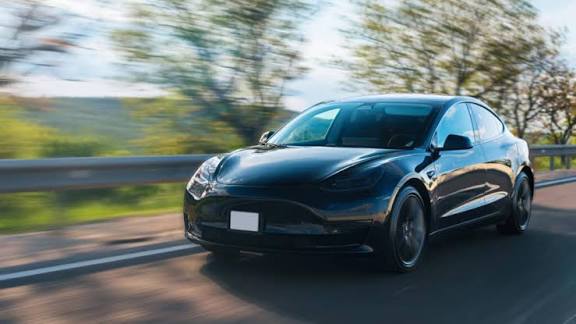
Quieter Cars Mean Noisier Tyres — So Manufacturers Compensate
Without an engine to mask road noise, EVs are far quieter overall, making tyre “road roar” much more noticeable. Many EV-specific tyres add noise-dampening foam layers inside to reduce this — extra material and cost that standard tyres simply don’t need.
What Makes EV Tyres Different
| Factor | Why It Adds Cost |
|---|---|
| Vehicle weight | Reinforced sidewalls and structure |
| Instant torque | Tougher, wear-resistant rubber compounds |
| Cabin noise | Acoustic foam dampening layers |
| Rolling resistance | Advanced low-friction compounds for range |
Do You Really Need EV-Specific Tyres?
Not always — many regular tyres are rated safe for EV use. But EV-optimized (“EV-ready”) tyres are generally recommended for the best balance of range, tyre life, and cabin noise. Skipping them isn’t dangerous, just potentially costlier in range and tyre wear over time. Michelin’s official EV tyre guide breaks down exactly how these engineering trade-offs are addressed.
The Takeaway
EV tyres cost more because they’re solving multiple problems at once — extra weight, instant torque, and noise a standard tyre was never designed for — a fair trade-off for most EV owners given the fuel savings elsewhere.
For more EV maintenance guides and cost breakdowns, check out TechnoSports.