LAZ2
 PAR1
 RCL2
 PAR1
 MEX-W
 ARG-W
 ATM1
 DEP0
 ADO2
 HEE3
 CLB2
 TOR0
 GVFC0
 FCP0
 Internacional2
 Botafogo0
 UAE
 NED
 PAK
 ENG
 IND-W
 ZIM-W
 GMB
 LES
 MOZ
 ZMB
 Inter Milan
 Fiorentina
 Churchill
 Punjab FC
 NGA
 UGA
 RIY2
 TAA1
 CHE0
 TOT2
 VAL1
 VIL2
 DOR1
 SGE0
 NZ-A135/3 (41 ov)
 IND-A113
 SYL
 KHU
 MYMS299/4 (87 ov)
 CHATT
 DHA293/3 (84.1 ov)
 RAJ
 RAN320/5 (80 ov)
 BAR
 DEN
 PNG
 NAM321/6
 IRE290 (47.3/50 ov, target 322)
 NZ180/5
 IND181/6 (19.5/20 ov, target 181)
 Mirassol1
 São Paulo1
 Vitória1
 Athletico-PR1
 Athletic
 Getafe
 C Palace
 Newcastle
 Hull
 Brentford
 Liverpool
 Brighton
 Man United
 Bournemouth
 Atalanta
 Frosinone
 NAP3
 ROMA3
 KHO0
 ETT3
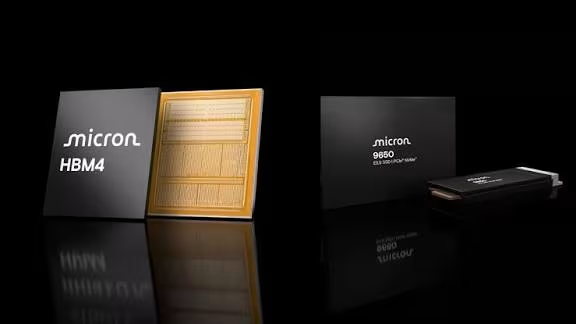
Corbenic AI memory takes a different approach to persistent storage: standard server drives replace costly, high-bandwidth alternatives. Early technical documents describe these specifications, drawing on leaks and supply-chain reports rather than official confirmation. The Belgian startup reportedly announced its Galahad beta system on Monday, October 19, 2026, for enterprises seeking reliable key-value cache retention.
Key Architecture Details
The design stores attention states directly on encrypted local NVMe drives, rather than relying only on volatile graphics processors. Founder and chief executive Sietse Schelpe reportedly says the platform aims to guarantee exact state reuse whenever identical prompts return to the cluster.
As Techradar first reported, the claimed fourteenfold performance gain comes mainly from a component reportedly called Blaise, which filters unnecessary token lookups. The hardware requirements remain minimal: existing drive controllers handle encryption and persistence, with no custom silicon needed. The system aims to prevent duplicate reads by instantly matching incoming queries against stored weight maps.
Context Behind the Corbenic Ai Memory Approach
Large language models traditionally lose their working memory after each session reset or when temporary graphics buffers overflow. Competing solutions like LMCache, NVIDIA Dynamo, and CMX try to bridge that gap by saving attention weights to external storage arrays. Those established platforms need dedicated networking gear or specialized enterprise flash controllers to keep latency low during peak workloads.
Corbenic presents its software-only library as a lighter alternative that connects directly to standard rack mounts.
What Happens Next For Deployment
The beta environment opened to developers around October 1, giving early adopters a chance to stress-test cache durability under heavy token loads. Infrastructure managers will likely track whether retrieval optimization scales beyond single-node configurations before committing budget.
Reported vendor roadmaps point to possible support for cross-region synchronization, echoing efficiency goals in our coverage of the Microsoft Maia Memory initiative. The wider market is watching how effectively this cache layer cuts operating costs compared with traditional high-bandwidth memory upgrades. Standard NVMe drives now compete directly with premium memory chips in AI acceleration.
FAQs
How does the Galahad beta system manage persistent cache storage? It writes encrypted attention weights directly to local NVMe drives instead of relying only on volatile graphics processor memory. Why does the reported performance boost depend on reading less data?
The integrated Blaise retrieval component filters duplicate token requests, so the accelerator doesn’t process identical input sequences repeatedly. When might commercial cloud providers integrate this caching architecture? Reported deployment schedules point to gradual adoption across mid-tier infrastructure networks in late November and early December. Source: Techradar
Was this article helpful?
Your feedback directly improves future articles on this site.