LAZ2
 PAR1
 RCL2
 PAR1
 MEX-W
 ARG-W
 ATM1
 DEP0
 ADO2
 HEE3
 CLB2
 TOR0
 GVFC0
 FCP0
 Internacional2
 Botafogo0
 UAE
 NED
 PAK
 ENG
 IND-W
 ZIM-W
 GMB
 LES
 MOZ
 ZMB
 Inter Milan
 Fiorentina
 Churchill
 Punjab FC
 NGA
 UGA
 RIY2
 TAA1
 CHE0
 TOT2
 VAL1
 VIL2
 DOR1
 SGE0
 NZ-A135/3 (41 ov)
 IND-A113
 SYL
 KHU
 MYMS299/4 (87 ov)
 CHATT
 DHA293/3 (84.1 ov)
 RAJ
 RAN320/5 (80 ov)
 BAR
 DEN
 PNG
 NAM321/6
 IRE290 (47.3/50 ov, target 322)
 NZ180/5
 IND181/6 (19.5/20 ov, target 181)
 Mirassol1
 São Paulo1
 Vitória1
 Athletico-PR1
 Athletic
 Getafe
 C Palace
 Newcastle
 Hull
 Brentford
 Liverpool
 Brighton
 Man United
 Bournemouth
 Atalanta
 Frosinone
 NAP3
 ROMA3
 KHO0
 ETT3
The same $55
Why The Pricing Structure Confuses Buyers
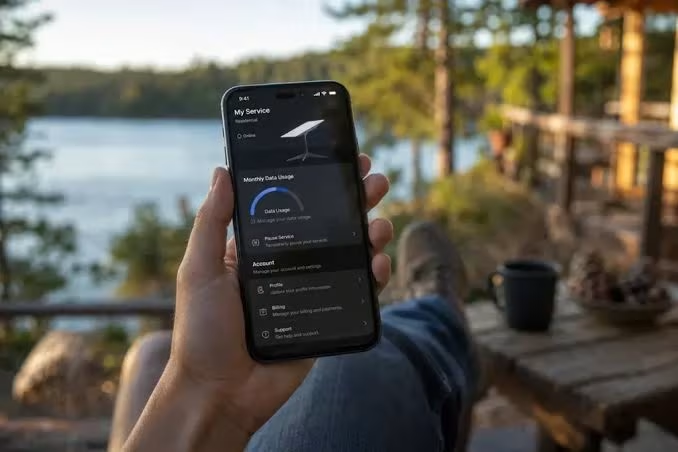
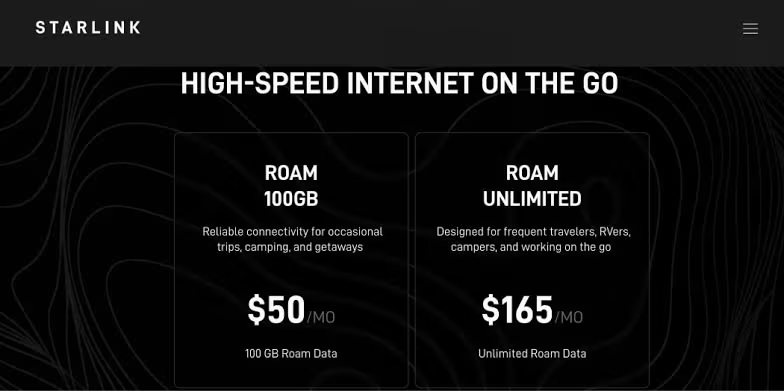
Consumers often assume the same monthly fee means the same service. But Starlink reportedly organizes its plans around different usage needs, not just performance levels. This $55 monthly side-by-side comparison looks at what sets them apart. Residential reportedly suits permanent installations, while Roam caters to people who need internet access across multiple regions. Our breakdown of the <a href="https://technosports.co.in/starlink- can help explain how these categories relate to regional availability. To choose between them, consider whether you need a dedicated home office connection or flexible service for vehicles and temporary stays.
How Starlink Hardware And Speeds Differ
Standard Starlink hardware kits typically use electronically steered phased array antennas. These reportedly track signals consistently, regardless of the plan you choose. The key difference may be the performance terms attached to the base $55 tier.
Starlink has described the entry-level Residential plan as offering a minimum throughput of 100 Mbps. That can support bandwidth-heavy activities such as streaming and remote work. Roam, by contrast, puts more emphasis on geographic flexibility. Users may trade consistent speeds for broader roaming permissions. Both plans rely on the same orbital infrastructure, but their service terms may affect bandwidth allocation during peak demand.
| Feature | Residential Plan ($55) | Roam Plan ($55) |
|---|---|---|
| Primary Use Case | fixed home installation | mobile/travel connectivity |
| Data Allowance | unlimited | variable or capped |
| Base Throughput | 100 Mbps | Not specified in available information |
Which Starlink Internet Plans Fit Your Lifestyle?
Your decision comes down to your lifestyle and where you’ll use the hardware. Just as buyers compare NVIDIA RTX Different architecture variations, Starlink segments its network to serve different needs. Before subscribing, consider your typical daily usage and how often you travel between locations.
What Starlink’s $55 Plans Could Mean For Subscribers
Starlink continues to adjust its pricing as the Low Earth Orbit (LEO) constellation grows. That could bring further changes to how these two $55 tiers serve emerging market needs. Observers will watch to see whether SpaceX changes speed baselines or adds intermediate tiers between fixed-home reliability and roaming convenience.
For now, the reported difference between residential service and roaming access shapes their potential value. Customers should weigh long-term stability against short-term price parity before choosing a configuration. Like the strategy discussed in 1Finity Wraps Plans, which adapts to changing consumer electronics trends, satellite providers must balance infrastructure costs with varied user expectations. These Starlink internet plans offer consumers a way to connect. Understanding the trade-offs can help you match a subscription to your connectivity needs.
Consider your daily routine before deciding. Fixed-home service may work best for stationary use, while Roam may suit people who need mobility.
FAQs
What distinguishes the two $55 plans?
The main difference is their reported purpose: Residential is tied to a fixed location, while Roam is designed for travel. The specific data and speed terms haven’t been confirmed here.
Does the hardware differ between plans?
Both tiers are described as using standard Starlink kits with electronically steered phased array antennas. However, hardware eligibility may vary by plan and region.
Can users switch between Residential and Roam?
Switching may depend on current account policies, hardware eligibility, and regional service availability. Source: Engadget
Was this article helpful?
Your feedback directly improves future articles on this site.