SAS1
 FIO0
 TRA1
 NEF2
 GEN1
 ALA0
 ATA
 PAR
 LOR
 BRE
 NEW
 EVE
 DEP
 OSA
 WI-A
 LIONS
 Galatasaray
 Stuttgart
 Shakhtar
 Sporting
 Atlético
 Bayern
 NED183/3 (36/50 ov, target 183)
 OMA182
 Athletic2
 Real Sociedad1
 Juventus2
 Napoli0
 Marseille2
 Toulouse0
 NZ-A424
 IND-A346 & 32/0 (11 ov)
 QLD280
 VIC307 & 136/6 (66 ov)
 SYL218 & 218
 CHATT210 & 126/1 (37 ov, target 227)
 MYMS108 & 315/9 (91 ov) (f/o)
 KHU288
 DHA
 BAR266/8 (70 ov)
 RAN256
 RAJ231 & 110/3 (27 ov)
 ASSAM135
 KNTKA180/2 (36 ov)
 MEGHA
 NAGA244/8 (67 ov)
 TPURA219/7 (74.3 ov)
 SAU
 BENG143
 MAHA21/2 (8 ov)
 ODSA
 JHK37/3 (25 ov)
 CHD
 TN320/4 (86 ov)
 NZ
 IND
 UAE
 TOK
 MOW
 BIK
 JAB
 LUL
 POA
 DOLPH
 WPR
 CD
 AUCK
 AFG81/3 (8.1/20 ov, target 80)
 ZIM79
 NAM131/5 (21.2/50 ov, target 130)
 IRE129
 MS-W109 (18.1 ov)
 PS-W124/9
 KAL0
 IRAK0
 VLL2
 LEG1
 Barcelona
 Aston Villa
 Elche0
 Valencia1
 Lecce1
 Genoa2
 Liverpool0
 Arsenal1
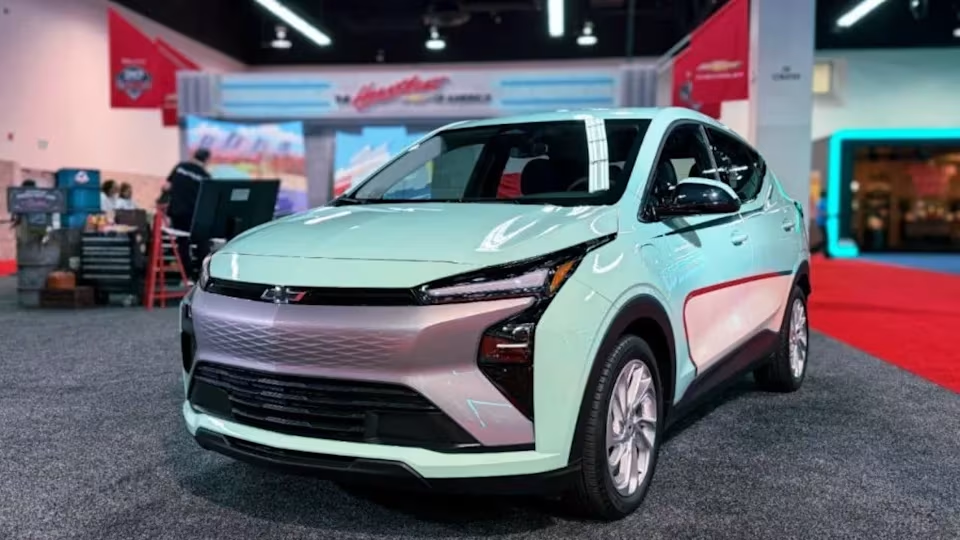
On November 1, 2026, a major US survey set a stark benchmark: just 11% of gasoline- and diesel-car owners said they plan to buy or lease an electric vehicle next. The figure reflects stated buying intent, not a prediction of future sales. That low share comes as automakers expand their electric-vehicle offerings. General Motors announced an approximately $34,995 starting
2025: Charging Satisfaction Begins to Improve
The latest survey’s charging results offer a useful comparison. Satisfaction with charging coverage among US EV owners reached 85% in the study, up from 72% in 2025. That’s a substantial improvement among people already driving electric vehicles.
Positive experiences with charging access can coexist with hesitation among people who haven’t switched. That gap between the two groups lies behind the headline figure. Drivers who’ve lived with an EV may see the charging network differently from those comparing an unfamiliar vehicle with the convenience of a gasoline car. Still, current owners’ satisfaction doesn’t automatically resolve the practical or financial concerns that shape a buyer’s next purchase.
2026: The 11% Finding Sets the Baseline
A study from here Technologies and SBD Automotive surveyed 4,058 drivers across eight markets. In the US results, only 11% of current gasoline- and diesel-vehicle owners named an EV as their most likely next purchase or lease.
Autoblog reported the finding on November 1, 2026. The 11% figure doesn’t mean the other 89% will never buy an EV. It does show that electric vehicles weren’t the leading stated choice for the next vehicle among surveyed non-EV owners. For manufacturers, that distinction matters: putting models on dealer lots isn’t enough if shoppers don’t see an EV as the most practical next step.
Why Gas-Car Owners See EVs Differently
The study found a 43-percentage-point gap in positive views of charging coverage. 85% of US EV owners rated it good or very good, compared with 42% of non-EV owners. The difference suggests that direct experience may build confidence, but it doesn’t prove that inexperience is the only reason people hesitate.
What the Finding Means for the Next Buying Cycle
The 11% figure sets a tougher benchmark for automakers than simply launching models: they need to turn availability into intent. The charging-satisfaction gap points to one possible pressure point, but it doesn’t prove that expanding the charging network alone would change buying decisions.
The survey measures preferences and perceptions, not what causes them. For US buyers, the practical question is whether an EV suits their budget, charging routine and intended use better than the alternatives. In India, this survey doesn’t measure consumer intent, so the result is a reminder not to treat US preferences as a local forecast.
What factors influence the reluctance of gas-car owners to consider EVs?
Several factors may explain why gas-car owners hesitate to consider electric vehicles (EVs), including
How are automakers responding to the challenges of EV adoption?
Automakers are responding to EV adoption challenges by offering a wider range of vehicles for different consumer needs. For example, the Equinox EV’s
Read Next
- Bugatti CEO Chases Stolen Chiron in Porsche 911
- Hyundai Invests $500 Million to Build Next Tucson in Alabama
- Chinese Western Trade: How Electric Vehicles Bypass Tariffs At 40% Off MSRP
Was this article helpful?
Your feedback directly improves future articles on this site.