SAS1
 FIO0
 TRA1
 NEF2
 GEN1
 ALA0
 ATA
 PAR
 LOR
 BRE
 NEW
 EVE
 DEP
 OSA
 WI-A
 LIONS
 Galatasaray
 Stuttgart
 Shakhtar
 Sporting
 Atlético
 Bayern
 NED183/3 (36/50 ov, target 183)
 OMA182
 Athletic2
 Real Sociedad1
 Juventus2
 Napoli0
 Marseille2
 Toulouse0
 NZ-A424
 IND-A346 & 32/0 (11 ov)
 QLD280
 VIC307 & 136/6 (66 ov)
 SYL218 & 218
 CHATT210 & 126/1 (37 ov, target 227)
 MYMS108 & 315/9 (91 ov) (f/o)
 KHU288
 DHA
 BAR266/8 (70 ov)
 RAN256
 RAJ231 & 110/3 (27 ov)
 ASSAM135
 KNTKA180/2 (36 ov)
 MEGHA
 NAGA244/8 (67 ov)
 TPURA219/7 (74.3 ov)
 SAU
 BENG143
 MAHA21/2 (8 ov)
 ODSA
 JHK37/3 (25 ov)
 CHD
 TN320/4 (86 ov)
 NZ
 IND
 UAE
 TOK
 MOW
 BIK
 JAB
 LUL
 POA
 DOLPH
 WPR
 CD
 AUCK
 AFG81/3 (8.1/20 ov, target 80)
 ZIM79
 NAM131/5 (21.2/50 ov, target 130)
 IRE129
 MS-W109 (18.1 ov)
 PS-W124/9
 KAL0
 IRAK0
 VLL2
 LEG1
 Barcelona
 Aston Villa
 Elche0
 Valencia1
 Lecce1
 Genoa2
 Liverpool0
 Arsenal1
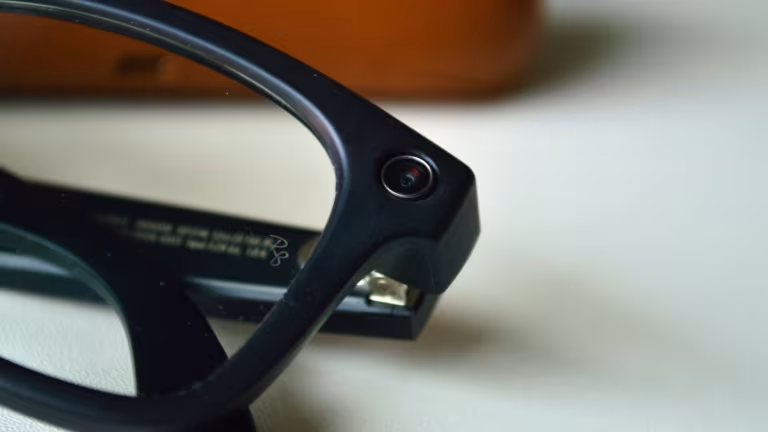
For anyone who wears glasses all day, artificial intelligence (AI) prescription glasses promise vision correction and smart features in one frame. But they also add cameras, electronics and charging to an essential accessory. These are optical frames with prescription lenses and integrated computing features. A launch is reportedly expected on November 2, 2026, at a rumoured
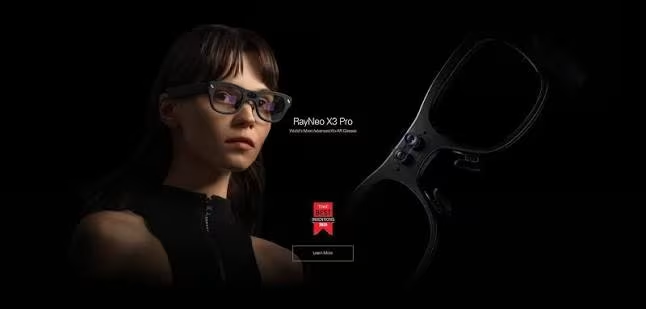
The problem with making smart frames your only pair
Replacing ordinary spectacles involves more than fitting corrective lenses. Glasses need to stay comfortable through long days, suit different settings and remain usable when their electronics need charging or repair. Add microphones, cameras and computing hardware, and meeting those everyday needs can get more complicated for your only pair.
Prescription compatibility is possible, but that doesn’t mean a pair will work for every wearer. Frame fit, lens options and the weight of built-in components all affect comfort. Engadget’s coverage of prescription AI glasses highlights why buyers should weigh these practical costs alongside the appeal of smart features. Privacy matters, too. Camera-equipped frames may attract attention in shared spaces, where bystanders may not know when recording or AI features are active. The glasses might be convenient for the wearer, yet make people nearby uncomfortable.
What the listed AI glasses include
The unconfirmed configuration reportedly combines a Qualcomm Snapdragon AR2 Gen 1 processor with 12GB of low-power double data rate 5 (LPDDR5) random-access memory (RAM) and 128GB of Universal Flash Storage (UFS) 3.1. It reportedly includes a Micro-OLED display with 1080p resolution per eye, too.
These components suggest a device built to handle visual and AI functions on the glasses, rather than serve only as a conventional frame. The reported 315mAh rechargeable lithium-ion battery adds another daily consideration. Capacity alone doesn’t show how long the glasses will last. Usage, display activity and connected features can all affect runtime. The reported specifications don’t establish weight, prescription-lens options, charging frequency or an India
| Reported component | Supplied specification |
|---|---|
| Processor | Qualcomm Snapdragon AR2 Gen 1 |
| Memory | 12GB LPDDR5 |
| Storage | 128GB UFS 3.1 |
| Display | Micro-OLED, 1080p per eye |
| Battery | 315mAh rechargeable lithium-ion |
Three ways to handle the trade-off
There are three practical approaches, and each comes with drawbacks. Prescription AI frames bring vision correction and smart functions together, but comfort, privacy and battery dependence become part of everyday wear.
Keeping regular glasses as your main pair sidesteps those trade-offs, but you’ll need a separate device for AI features. A two-pair rotation offers a middle ground: wear smart frames when their features help, then switch to ordinary spectacles for work, travel or charging. The catch is managing two pairs and making sure both have the right prescription. So, for buyers weighing these options, the main question isn’t whether prescription lenses will fit. It’s whether the technology deserves a place on your face for most of the day. For more detail, see Gizmodo.
Who should replace their glasses, and who should wait?
These glasses make the most sense for someone who already wants hands-free AI features and feels comfortable with the privacy implications of camera-equipped eyewear. Even then, check that the specific frame supports your prescription and that its weight and fit work for extended wear.
When you wear glasses from morning to evening, those details matter more than a processor name. For everyone else, keeping regular spectacles and using AI frames as an optional second pair is the safer bet. The rumoured $499.99, with no India Choose AI prescription glasses as your daily pair only if the fit, lens support, privacy controls and charging routine work for your actual day.
FAQs
Can AI glasses use prescription lenses?
Yes. As Engadget’s coverage notes, some AI glasses can take prescription lenses. Before ordering, confirm that the exact frame supports your prescription.
What specifications are listed for this pair?
The unconfirmed configuration includes a Qualcomm Snapdragon AR2 Gen 1 processor, 12GB LPDDR5 RAM, 128GB UFS 3.1 storage, Micro-OLED displays at 1080p per eye and a 315mAh battery.
Read Next
- OpenAI Pledges to Buy Google AI Chips in First Move Away From Google, Nvidia, and Reliance
- Apple iPhone Duo vs iPhone Air: Which Should You Choose?
- ONDC DigiDukaan: How India’s 1.4 Crore Kiranas Are Going Digital, One Restock at a Time
Was this article helpful?
Your feedback directly improves future articles on this site.