SA329 (82.3 ov)
 AUS
 AFG177
 ZIM50/2 (8.1/20 ov, target 178)
 SAA0
 EST0
 SAS
 LAZ
 ROMA
 CAG
 TOR
 COMO
 BAN
 WI
 IND-W
 ZIM-W
 GOA
 SC Delhi
 Milan
 Bologna
 Parma
 Udinese
 ABH0
 ALF1
 PAK110
 SL114/2 (18.1/50 ov, target 111)
 NAM316/7
 IRE253 (44.5/50 ov, target 317)
 NZ198/3
 IND199/4 (13.2 ov)
 SIKM184
 NAGA187 & 46/4 (34 ov)
 JHK131/4 (47 ov)
 DELHI515/5d
 ODSA194
 SVCS13/0 (5 ov)
 BRODA616
 J & K6/0 (4 ov)
 CHD685/5d
 HP49/0 (14 ov)
 CGR216/8 (95 ov)
 AP231
 HYD193/2 (54 ov)
 PNJB431
 KNTKA297/7 (95 ov)
 TPURA194
 KER101/6 (35 ov)
 BENG350
 MAHA278/9 (100 ov)
 GUJ223
 AUCK
 CANT
 CD
 ND
 DEN
 QAT
 KENYA
 KUW
 POA
 SPR
 BRB
 VAG
 NED371/5
 OMA265 (49.3/50 ov, target 372)
 JAB113 (19.3/20 ov, target 133)
 KAY132/9
 BIK149 (19.3/20 ov, target 158)
 CHR157/3
 SEEB0
 EBFC0
 Venezia
 Inter Milan
 Genoa
 Juventus
 Sevilla2
 Osasuna0
 PSG2
 Lyon0
 Mohun Bagan1
 Chennaiyin0
 BEI2
 JHM2
 RCH0
 KRE0
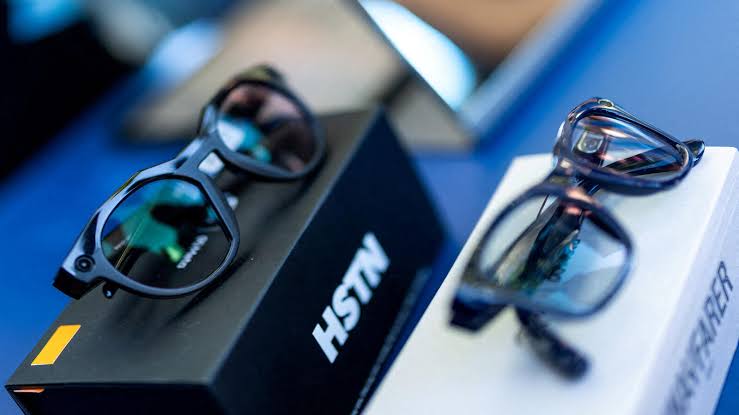
On October 5, 2026, Norway enacted a temporary ban on AI glasses in public parks, schools, and gyms. The immediate consequence is a sharp clash between rapid wearable-tech adoption and longstanding public privacy expectations.
The plans do not amount to a nationwide prohibition on every smart-glasses product. Private use would remain permitted where other people face no meaningful risk of being filmed or recorded, while lawmakers consider a longer-term framework for body-worn technology.
Why is Norway introducing a temporary ban on AI glasses?
The immediate concern is covert recording. AI glasses can resemble ordinary eyewear while carrying cameras, microphones, wireless connectivity, and software capable of processing captured media. That combination makes it harder for bystanders to know when they are being filmed or heard.
The proposed restrictions could cover more than parks, schools, and gyms. The government is also considering beaches, museums, shopping centres, public events, playgrounds, youth clubs, doctors’ offices, swimming pools, and gyms with changing rooms. Digitalisation minister Torgeir Micaelsen said he was concerned about powerful technology entering public settings where people could be photographed, filmed, or recorded without their knowledge. > “I am worried that new, powerful technology is being introduced where people risk being photographed, filmed or audio-recorded without knowing it.” The scope of the law remains the next question. For more detail, see VentureBeat AI.
Which devices could the temporary rules cover?
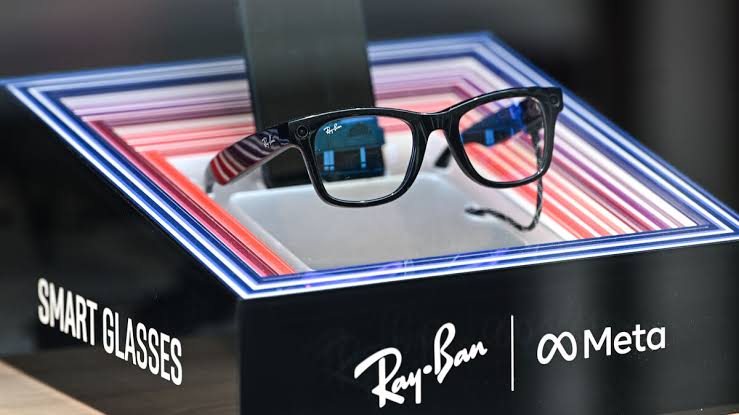
Officials have not decided whether the restrictions will target all glasses with cameras and microphones, only eyewear with cameras and AI functions, or other body-worn devices that can perform similar tasks. That distinction matters because a narrow rule could cover products such as Ray-Ban Meta, while a broader one might also include camera pendants, earbuds, or future wearable assistants.
Meta launched the Ray-Ban Meta smart-glasses collection on October 17, 2023, with a starting $299. The product category has already attracted regulatory attention elsewhere, making this proposal part of a wider debate about consent and public recording. Our earlier coverage of Dutch Glasses: GDPR shows how privacy rules can shape availability even when a product remains legal for private use. The hardware illustrates why lawmakers are examining the category rather than one model alone.
What are the relevant Ray-Ban Meta specifications?
The Ray-Ban Meta lineup uses Qualcomm’s Snapdragon AR1 Gen 1 Platform. Meta’s second-generation glasses include a dual-microphone array and a 12-megapixel ultra-wide camera, allowing the device to capture both audio and images from the wearer’s perspective.
The glasses provide 32 gigabytes of flash storage for media capture. Battery life is rated at up to four hours of continuous use on one charge, with the included charging case providing up to 36 hours of total charge. Those capabilities do not prove misuse, but they explain why public authorities are examining whether people nearby can reasonably identify when recording is taking place. The central policy question is how consent can work in crowded spaces.
How could the ban affect users, schools, and businesses?
A temporary restriction could require visitors to remove or disable AI glasses in designated locations, much as some facilities already restrict photography in changing rooms. Schools and youth clubs may face stricter rules because children cannot always give meaningful consent to recording, while gyms and swimming facilities involve heightened privacy expectations.
The minority government plans to introduce a bill to parliament as soon as possible and establish an expert group to advise on permanent rules. Universities and colleges may also be included after further consideration. Similar debates around workplace wearables, including Amazon Drivers Glasses, show that the policy challenge extends beyond consumer gadgets.
What happens next?
The government must define the devices, locations, exemptions, and enforcement powers before parliament can assess the bill. Until then, the temporary measure places consent at the centre of the AI glasses debate and gives lawmakers time to separate useful accessibility features from covert surveillance risks.
Bottom line: Norway’s temporary AI glasses ban tests whether public privacy rules can keep pace with wearable cameras and microphones without blocking legitimate private use.
FAQs
Does the measure ban all smart glasses?
No. The proposal is aimed at devices that could record people without their knowledge, and the final product definition has not been decided.
Can people use AI glasses privately?
Private use remains allowed where other people are not exposed to recording without consent.
Could universities be covered?
Yes. Officials are still considering whether universities and colleges should fall within the rules.
When does the temporary ban take effect?
The temporary ban took effect today, October 5, 2026.
What is the purpose of Norway’s temporary AI glasses ban?
The purpose is to address concerns regarding privacy and the potential for recording individuals without their knowledge in public spaces. This measure aims to ensure that public privacy rules can adapt to the challenges posed by wearable cameras and microphones while still allowing for legitimate private use. Source: Thenextweb
Was this article helpful?
Your feedback directly improves future articles on this site.