NZ
 IND
 NAM
 IRE
 MOZ
 UGA
 Aston Villa
 Man City
 Rayo
 Elche
 GMB
 ZMB
 NGA
 LES
 Cagliari
 Bologna
 IPS1
 NFO1
 ALA1
 MCF1
 TOR3
 MON2
 BRE1
 NICE2
 TAS67/4 (15.4/50 ov, target 305)
 VIC304/7
 NZ-A135/3 (41 ov)
 IND-A113
 DHA
 RAJ
 MYMS
 CHATT
 RAN
 BAR
 SYL
 KHU
 UAE
 NED
 PAK
 ENG
 IND-W
 ZIM-W
 AFG170/3 (34.3/50 ov, target 170)
 ZIM169
 DOLPH56/0 (3.5/8 ov, target 56)
 SWD51/4 (8/8 ov)
 WSW1
 BRI1
 Como
 Sassuolo
 Augsburg
 Union Berlin
 Cologne
 Schalke
 Mainz
 Bremen
 RB Leipzig
 Elversberg
 VFB2
 BMG3
 AHL4
 KHA1

An e-bike battery explosion shut down a Nanaimo road on May 17, 2026. No one got hurt, but it’s raising real questions about lithium-ion safety. InsideEVs has been tracking similar incidents closely.
Ebike: Investigation Into The Nanaimo Battery Incident
The e-bike power unit failed suddenly while in use, triggering an emergency response from fire and safety officials in British Columbia. Investigators are looking into what caused the thermal runaway, though the exact brand and model haven’t been released yet. E-bike safety deserves more scrutiny than it typically gets.
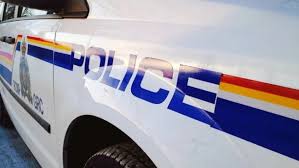
This incident connects to broader concerns about Battery Recycling Obligations and how well portable energy storage holds up over time. Many owners are now worried about whether their current setups are actually safe. The good news? Officials responded fast enough to keep anyone from getting hurt.
Safety Standards And Future Implications For Commuters
Regulators need to tighten safety standards before these devices reach consumers. Manufacturing quality control matters more than ever as electric mobility grows. This explosion shows that while e-bikes are efficient, they need proper maintenance to stay safe. E-bike safety is more complex than most headlines suggest.
Aftermarket chargers and damaged cells often make these problems worse, experts say. You’ll likely see stricter rules about storing lithium-ion batteries in public areas. The industry needs to be more open about battery health if they want people to trust e-bikes. Understanding e-bike safety fully means staying on top of these developments.
FAQs
Was anyone injured in the explosion?
No, there were zero injuries or deaths reported.
Is the e-bike model known?
Not yet. Authorities haven’t released the specific make and model.
Why was the road closed?
Safety officials closed it to control the fire risk and investigate what happened.