
 SA329 (82.3 ov)
 AUS
AUS SAS2
SAS2 LAZ5
LAZ5 ALS1
ALS1 HIL1
HIL1 ROMA
ROMA CAG
CAG TOR
TOR COMO
COMO BAN
BAN WI
WI IND-W
IND-W ZIM-W
ZIM-W GOA
GOA SC Delhi
 Milan
Milan Bologna
 Parma
Parma Udinese
 Venezia
 Inter Milan
 AFG177
 ZIM140 (19.1/20 ov, target 178)
 ABH0
ABH0 ALF1
ALF1 PAK110
 SL114/2 (18.1/50 ov, target 111)
 NAM316/7
 IRE253 (44.5/50 ov, target 317)
 SIKM184
 NAGA187 & 46/4 (34 ov)
 JHK131/4 (47 ov)
 DELHI515/5d
 ODSA194
 SVCS13/0 (5 ov)
 BRODA616
 J & K6/0 (4 ov)
 CHD685/5d
 HP49/0 (14 ov)
 CGR216/8 (95 ov)
 AP231
AP231 HYD193/2 (54 ov)
 PNJB431
 KNTKA297/7 (95 ov)
 TPURA194
 KER101/6 (35 ov)
 BENG350
 MAHA278/9 (100 ov)
 GUJ223
 MNPR364
 ARP111 & 95/2 (36 ov)
 UAE
UAE OMA
OMA AUCK
AUCK CANT
CANT CD
CD ND
ND DEN
DEN QAT
QAT KENYA
KENYA KUW
KUW POA
POA SPR
SPR NZ198/3
 IND199/4 (13.2/20 ov, target 199)
 NED371/5
 JAB113 (19.3/20 ov, target 133)
 KAY132/9
 BOC2
BOC2 M050
M050 CUA0
CUA0 GIR2
GIR2 EXC1
EXC1 ADO0
ADO0 APN1
APN1 ELC1
ELC1 CF 0
CF 0 CEE1
CEE1 SES2
SES2 ESP1
ESP1 AIK1
AIK1 ELF1
ELF1 BEN0
BEN0 CAT0
CAT0 WIM0
WIM0 ARS0
ARS0 SHO0
SHO0 ALH1
ALH1 Genoa
Genoa Juventus
 Monza
Monza Napoli
 Sevilla2
 Osasuna0
 PSG2
PSG2 Lyon0
Lyon0 Mohun Bagan1
 Chennaiyin0
 SAA2
SAA2 EST0
EST0 BEI2
BEI2 JHM2
JHM2
The global AI in consumer electronics market is projected to reach $300 billion by 2027—yet a critical adoption gap remains. This April, Samsung, LG, Apple, and Microsoft all released AI-powered devices across TVs, refrigerators, laptops, and operating systems.
But there’s a troubling reality beneath the innovation headlines: consumers are buying these products faster than they trust them. That tension will shape the rest of 2026.
Samsung’s 75-Inch AI TV and AI in Consumer Electronics: The Premium Smart Home Consolidation
On April 15, 2026, Samsung announced the Galaxy AI Smart TV—a 75-inch flagship priced at $2,499. The move signals Samsung’s bet that artificial intelligence will anchor the connected home, handling content curation, voice commands, and predictive viewing patterns without you lifting a finger. Africa Tech Summit Returns May
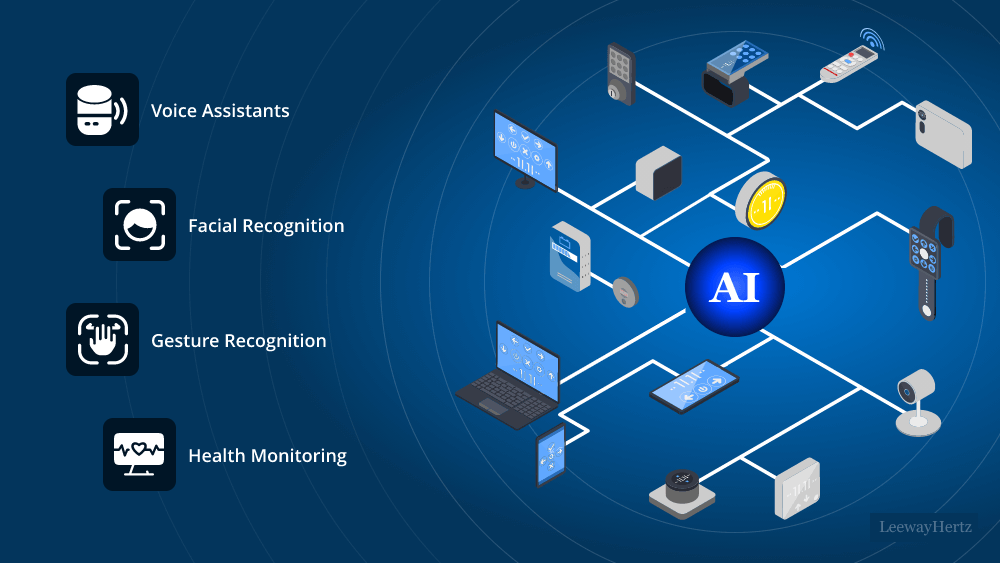
LG followed suit on April 18 with the LG Smart Fridge 2026 ($1,899), which uses AI to track grocery inventory, suggest recipes, and optimize energy consumption. Here’s what’s really happening: both companies are embedding AI into high-ticket, frequently-used appliances where the technology feels less intrusive and more immediately useful. Google Unveils TPU 8t and
The price tags tell a different story, though. At $2,499 and $1,899 respectively, these devices are firmly in the premium tier. Only affluent early adopters can access them. Spring consumer electronics pricing data shows that while innovation moves fast, affordability’s stuck in neutral.
For most people, AI in the home remains a luxury—not something they actually need. OpenAI Scales Codex to Enterprises
Why the Timing Matters: Microsoft’s Windows 12 Integration and the Software-First Pivot
Microsoft took a different route on April 19 when it announced that Cortana will integrate into all Windows 12 devices starting June 1, 2026. Instead of betting on premium hardware, Microsoft’s baking AI directly into software ecosystems. This approach sidesteps the luxury-device problem by reaching 1.4 billion Windows users globally—regardless of what they paid for their computer. Tom’s Hardware reports.
Apple’s April 20 reveal of the MacBook Pro with M3 chip (32GB RAM, $2,299) follows similar logic. The M3 integrates machine learning inference directly into the processor itself, enabling on-device AI without needing the cloud. iPhone Fold Launches Soon: Apple’s
The difference between these approaches is striking. Hardware makers like Samsung and LG are betting on visible, tangible AI features you can see and touch. Software makers like Microsoft and Apple are betting on invisible, seamless integration that just works.
Worth noting: Microsoft’s April initiatives suggest the software-first approach is winning. It reaches more users, faster, at lower cost.


