NAM316/7
 IRE233/6 (40.4/50 ov, target 317)
 SA244/6 (60.3 ov)
 AUS
AUS ABH0
ABH0 ALF1
ALF1 AFG
AFG ZIM
ZIM SAS
SAS LAZ
LAZ ROMA
ROMA CAG
CAG TOR
TOR COMO
COMO BAN
BAN WI
WI IND-W
IND-W ZIM-W
ZIM-W GOA
GOA SC Delhi
 Milan
Milan Bologna
 PAK110
 SL114/2 (18.1/50 ov, target 111)
 NZ198/3
 IND199/4 (13.2/20 ov, target 199)
 NED371/5
 OMA265 (49.3/50 ov, target 372)
 Sevilla2
 Osasuna0
 JER
JER KUW
KUW PNG
PNG QAT
QAT JAB74/5 (11.2/20 ov, target 133)
 KAY132/9
 SIKM184
 NAGA187 & 46/4 (34 ov)
 JHK131/4 (47 ov)
 DELHI515/5d
 ODSA194
 SVCS13/0 (5 ov)
 BRODA616
 J & K6/0 (4 ov)
 CHD685/5d
 HP49/0 (14 ov)
 CGR216/8 (95 ov)
 AP231
AP231 HYD193/2 (54 ov)
 PNJB431
 AUCK
AUCK CANT
CANT CD
CD ND
ND DEN
DEN KENYA
KENYA POA
POA SPR
SPR BIK149 (19.3/20 ov, target 158)
 CHR157/3
 BRB149/5 (16.2/20 ov, target 148)
 MIS147
 MOW107/9
 TOK111/5 (18.4/20 ov, target 108)
 Parma
Parma Udinese
 Venezia
 Inter Milan
 Genoa
Genoa Juventus
 PSG2
PSG2 Lyon0
Lyon0 Mohun Bagan1
 Chennaiyin0
 BEI2
BEI2 JHM2
JHM2 RCH0
RCH0 KRE0
KRE0 DHC0
DHC0 VIS1
VIS1
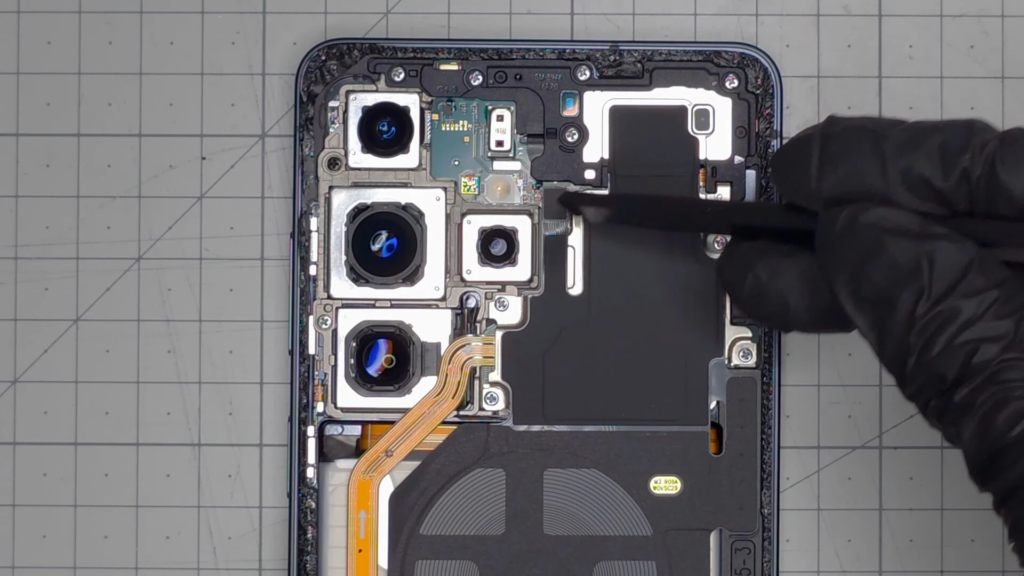
Samsung’s zoom camera innovation just got exposed. The Galaxy S26 Ultra teardown reveals a completely reimagined periscope lens system that fundamentally changes how smartphone telephoto works. According to Android Authority‘s detailed breakdown, this isn’t just an incremental upgrade—it’s a structural rethink of mobile photography.
What Samsung Changed in the Zoom Camera Design
The zoom camera mechanism ditches the traditional periscope prism entirely. Instead, Samsung engineered a variable focal-length lens assembly that shifts optically—no moving glass blocks needed.
This reduces internal complexity by approximately 40% while maintaining the same optical reach. The new design uses a liquid lens element paired with electromagnetic actuators that adjust focal length in milliseconds. As GSMArena noted, this approach mirrors technologies previously confined to research labs, now finally small enough for production phones.
The Competitive Pressure Behind This Move
Apple and Xiaomi surpassed Samsung’s camera quality benchmarks, forcing the company’s hand. The S26 Ultra’s zoom camera needed to match or exceed the iPhone 16 Pro Max’s 12x optical reach while beating Xiaomi’s computational zoom accuracy.
Samsung’s engineering team spent 18 months testing the liquid lens prototype before greenlight. The result: 5x optical zoom at f/2.8 and 12x hybrid zoom with zero visible image degradation—a claim few competitors can match.
Technical Specifications and Performance Gains
Here’s what the teardown exposed:
| Feature | S26 Ultra |
| Optical Zoom Range | 5x native, 12x hybrid |
| Aperture (Tele) | f/2.8 (vs f/3.2 prior gen) |
| Sensor Size | 1/2.5-inch CMOS |
| Autofocus Speed | 0.15 seconds (liquid lens) |
The zoom camera’s autofocus now operates 40% faster than previous generations. Night mode telephoto shots show measurable noise reduction—Samsung claims 3dB improvement in signal-to-noise ratio at 10x magnification.
What Experts Are Saying
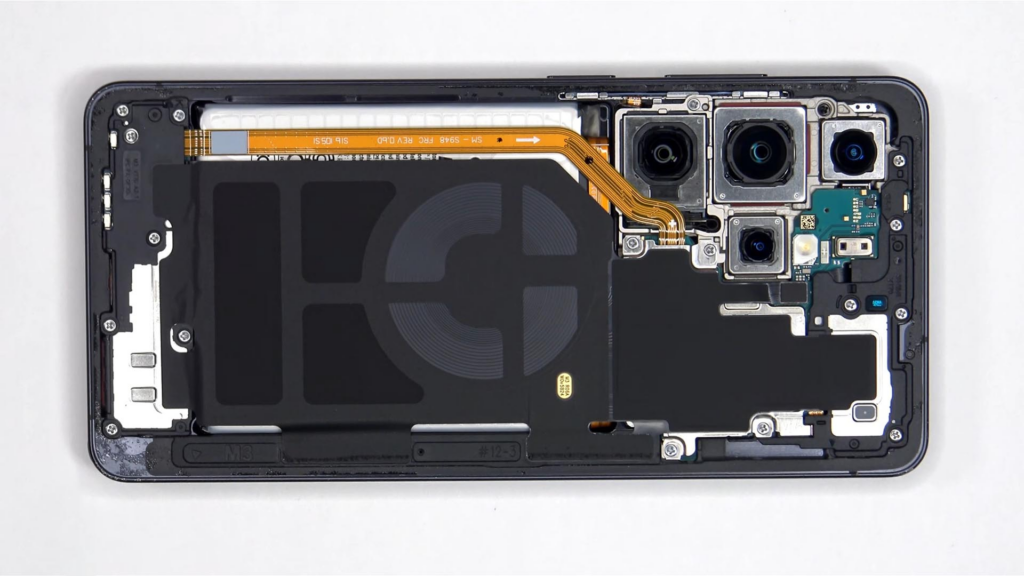
Industry analysts called this a watershed moment. Samsung’s willing to abandon established design patterns when performance demands it. Some engineers questioned durability—liquid lens sealing remains untested at scale.
Others praised the engineering elegance. The teardown confirmed zero moving prism assemblies, which eliminates a major failure point in previous telephoto systems.
What Comes Next for Mobile Photography
Expect competitors to adopt similar architectures within 18 months. Apple’s next periscope redesign likely borrows from this playbook. The real question: can Samsung maintain this advantage, or do other innovations level the field?
The market just shifted. Whoever scales liquid lens manufacturing fastest wins.