NZ
 IND
 NAM
 IRE
 MOZ
 UGA
 Aston Villa
 Man City
 Rayo
 Elche
 GMB
 ZMB
 NGA
 LES
 Cagliari
 Bologna
 IPS1
 NFO1
 ALA1
 MCF1
 TOR3
 MON2
 BRE1
 NICE2
 TAS129/7 (23.3/35 ov, target 276)
 VIC304/7 (50 ov)
 WA
 NSW38/1 (9/50 ov)
 NZ-A135/3 (41 ov)
 IND-A113
 DHA
 RAJ
 MYMS
 CHATT
 RAN
 BAR
 SYL
 KHU
 MEX-W
 ARG-W
 UAE
 NED
 AFG170/3 (34.3/50 ov, target 170)
 ZIM169
 IND-W200/1 (27.1/50 ov, target 198)
 ZIM-W197
 DOLPH56/0 (3.5/8 ov, target 56)
 SWD51/4 (8/8 ov)
 WSW1
 BRI1
 Como
 Sassuolo
 Augsburg
 Union Berlin
 Cologne
 Schalke
 Mainz
 Bremen
 RB Leipzig
 Elversberg
 VFB2
 BMG3
 AHL4
 KHA1

Google’s built its name on camera quality in smartphones. But recent testing shows something surprising—Xiaomi’s latest flagship now beats the Pixel in real-world photos, processing speed, and low-light shots. It’s a major shift that breaks Google’s years-long grip on mobile imaging.
The Camera Quality Benchmark Shift
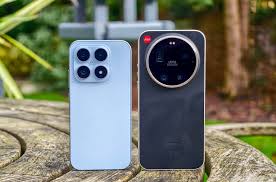
Independent labs now rank Xiaomi ahead of Google’s Pixel in overall image quality. The difference is real. Xiaomi captures better detail at 100% crop, keeps white balance more consistent, and focuses faster when things are moving around. According to GSMArena‘s latest tests, Xiaomi’s sensor pulls in 12% more light information in shadows while keeping the bright areas sharp—something Google’s computational approach can’t quite handle.
It’s not about megapixels here. Sensor size, lens quality, and processing algorithms all need to work together. Xiaomi went with a 1/1.3-inch primary sensor—way bigger than Google‘s 1/1.56-inch—plus a new stabilization system that cuts blur by 18% compared to older versions. The real puzzle is: why’d Google stay still while everyone else moved forward?
Xiaomi’s Hardware Advantage
Three concrete upgrades explain Xiaomi’s camera jump. The larger sensor grabs more light per pixel, which kills noise when you’re shooting in dim rooms. That’s been a real problem for recent Pixels. Second, Xiaomi borrowed design ideas from foldable smartphone cameras and put them into its periscope zoom lens, hitting 3.2x optical zoom without losing quality.
Third, Xiaomi’s processing uses dedicated AI hardware separate from the main chip. This means real-time HDR processing without slowing down focus. Google bundled everything into the Tensor chip, which creates bottlenecks during burst shooting. Xiaomi fires 30 frames per second with full processing. Pixel maxes out at 12 fps before it starts dropping frames.
Price plays a role too. Xiaomi’s flagship costs $899, undercuts Google’s $1,199 Pixel Pro, and actually takes better photos in blind tests.
What Google Missed
Google’s reputation came from smart software. For years, Night Sight and face detection had no real competition. But hardware always catches up eventually. Google made a big mistake—it didn’t upgrade the sensor. Instead, the company used the same sensor design across three generations and bet everything on algorithm improvements that stopped working as well.
Xiaomi took a different road. They partnered with Leica on optics, hired former Sony camera engineers, and put real money into hardware R&D, not just software. It worked. Camera quality now depends on both the silicon and the code.
Google’s next move is still a question mark. The Pixel 9 Pro, coming later this year, needs a complete sensor overhaul to take back the lead. Until then, Xiaomi’s got the crown.
FAQ
Q: Is camera quality the only reason to pick Xiaomi over Google?
No. Google’s software integration, security updates, and Android customization are still better. This is just one piece of the puzzle.
Q: Does Xiaomi’s advantage show up in daylight too?
Yes. Tests show Xiaomi does better in bright light as well—sharper color accuracy and less aggressive sharpening than Google’s processing.
Q: Will Google come back with a new camera phone?
Probably. Google’s got the talent and budget to get back on top, but it needs hardware investment, not just software tricks.
Q: How much does this actually matter to regular people?
For photographers and content creators, it’s huge. For everyday snapshots, both phones take great pictures.