SA329 (82.3 ov)
 AUS
AUS FLE1
FLE1 ARS1
ARS1 BAN
BAN WI
WI IND-W
IND-W ZIM-W
ZIM-W GOA
GOA SC Delhi
 Milan
Milan Bologna
 Parma
Parma Udinese
 Venezia
 Inter Milan
 Genoa
Genoa Juventus
 Monza
Monza Napoli
 ROMA4
ROMA4 CAG2
CAG2 TOR1
TOR1 COMO3
COMO3 SAS2
SAS2 LAZ6
LAZ6 AFG177
 ZIM140 (19.1/20 ov, target 178)
 AUCK
AUCK CANT
CANT CD
CD ND
ND SIKM184
 NAGA187 & 46/4 (34 ov)
 JHK131/4 (47 ov)
 DELHI515/5d
 ODSA194
 SVCS13/0 (5 ov)
 BRODA616
 J & K6/0 (4 ov)
 CHD685/5d
 HP49/0 (14 ov)
 CGR216/8 (95 ov)
 AP231
AP231 HYD193/2 (54 ov)
 PNJB431
 KNTKA297/7 (95 ov)
 TPURA194
 KER101/6 (35 ov)
 BENG350
 UAE
UAE OMA
OMA ENG
ENG SL
SL DEN
DEN QAT
QAT KENYA
KENYA KUW
KUW POA
POA SPR
SPR BRB
BRB VAG
VAG PAK110
 NAM316/7
 IRE253 (44.5/50 ov, target 317)
 NZ198/3
 IND199/4 (13.2/20 ov, target 199)
 NED371/5
 JAB113 (19.3/20 ov, target 133)
 KAY132/9
 DON2
DON2 EXT3
EXT3 MNR0
MNR0 AND2
AND2 PEN1
PEN1 CLY1
CLY1 HUE1
HUE1 RAY1
RAY1 Gamba Osaka
 Buriram
 Kashima
 Pohang Steelers
 ABH0
ABH0 ALF1
ALF1 Sevilla2
 Osasuna0
 PSG2
PSG2 Lyon0
Lyon0
Young Buyers are reshaping BMW’s cabin design, and the physical button is the casualty. The German automaker is moving away from tactile controls in favor of touchscreens, targeting a demographic it describes as “multitasking” consumers who juggle digital interfaces constantly.
The shift signals a deliberate strategy to match how the next generation interacts with technology.
Why Are Young Buyers Pushing BMW Away From Physical Buttons?
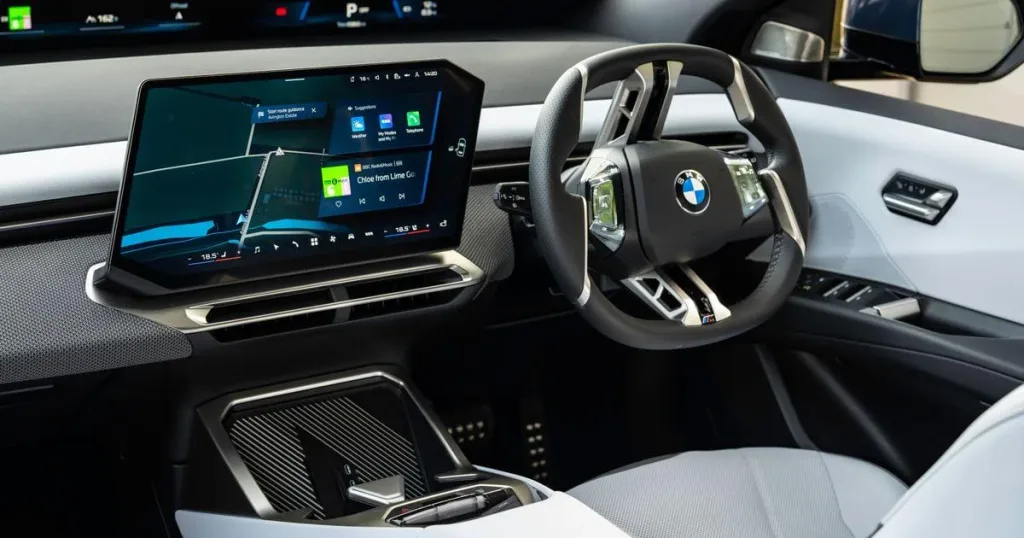
BMW’s design leadership argues that younger customers expect the same fluid, gesture-based interaction they get from smartphones. Physical buttons, they say, feel like legacy hardware. The automaker’s iDrive system has evolved from a rotary dial into a full touch interface, and the latest generation leans almost entirely on the central display.
Multitasking is the operative word — these buyers toggle between maps, music, and messaging, and they want one surface that does it all. BMW’s internal research reportedly shows that younger drivers ignore physical controls they perceive as slow, preferring swipe-and-tap commands. The company concluded that matching smartphone habits beats fighting them.
What Does “Multitasking” Mean for Cabin Design?
It means fewer discrete controls and more contextual menus. Instead of a row of climate buttons, the screen surfaces relevant controls only when needed. BMW believes this reduces cognitive load — the driver isn’t hunting for a specific switch buried in a panel.
The trade The trade-off is real: touchscreens demand visual attention, and critics argue they are less safe than physical controls. BMW counters that its voice assistant and steering-wheel buttons handle the most critical functions, keeping eyes on the road.
The company also points to haptic feedback that confirms inputs without requiring a glance.
Is BMW’s Touchscreen-Only Approach Safe?
Safety regulators have long flagged touchscreen-heavy cabins as a distraction risk, and European crash-test authorities now penalize designs that force drivers to dig through menus for basic functions. BMW insists its system is different, leaning on voice commands and steering-wheel controls for the essentials.
BMW’s gamble is that younger drivers already accept this trade-off because they live on their phones. The company’s research suggests this demographic finds physical buttons more distracting, not less — because they break the flow of a familiar digital interaction. Whether regulators agree will shape how far the design philosophy can go.
Which BMW Models Lead the Shift?
The latest iDrive generation, introduced with the 7 Series and i7, sets the template. A curved display dominates the dashboard, and physical buttons shrink to a handful of essentials. The trend is spreading down the range, with the 3 Series and X3 expected to adopt similar layouts in their next updates, as noted by Motor Trend.
Entry-level models retain more tactile controls, but the direction is clear. BMW’s Neue Klasse platform, debuting in 2025, reportedly pushes the touch-first philosophy further with a panoramic display and minimal switchgear. For buyers considering long-term ownership, the question is whether a screen-first cabin ages as gracefully as a button-laden one — a concern familiar to anyone weighing Tesla Model Ownership costs.
What Do Drivers Actually Think?
Reaction is split. Enthusiast forums are filled with complaints about losing blind-adjustable controls, while younger owners praise the clean, minimalist look. BMW’s sales data reportedly shows that buyers under 35 configure their cars with fewer optional physical packages, preferring tech upgrades instead, a trend Roadshow by CNET has tracked across luxury brands.
The real test comes with the next-generation 3 Series, BMW’s volume seller. If touch-first cabins hold up there, the button’s fate is sealed across the lineup. If they falter, BMW may have to reconcile its multitasking thesis with the messy reality of driving on imperfect roads.
Conclusion
For Young Buyers, the button is a relic of an analog era. BMW is betting that a screen-first cabin matches how this generation actually drives, texts, and navigates. The shift carries risk — safety regulators and enthusiasts push back — but BMW sees no way back.
Physical buttons will not vanish overnight, yet their days as a defining feature are clearly numbered. Stay tuned for more on Young Buyers.
Related Articles
- Tesla Model 3 and Chevrolet Bolt: A Five-Year Ownership Cost Analysis
- Comparing Five Year Ownership Costs Between Mazda Miata and Honda Civic
- Tesla Model 3 Ownership Experience (Infotainment) 2026 Guide
FAQs
Will BMW bring back physical buttons?
No, unless safety regulators force a reversal. BMW’s design roadmap through the Neue Klasse platform commits to touch-first cabins, with physical controls reserved for critical functions like indicators and wipers. Are touchscreen-only dashboards less safe?
Research is mixed. Touchscreens require visual attention, but voice controls and haptic feedback can reduce glance time. European safety authorities are tightening standards, which could pressure BMW to refine its approach. Which BMW models still have physical buttons? Entry-level models retain more tactile controls, and steering-wheel buttons remain standard across the range. The 7 Series and i7 have the fewest physical controls, setting the template for future models.
Was this article helpful?
Your feedback directly improves future articles on this site.