NAM321/6 (50 ov)
 IRE
 AVL
 MNC
 RAY
 ELC
 GMB
 ZMB
 NGA
 LES
 CAG
 BOL
 COMO
 SAS
 FCA
 FCU
 KOE
 S04
 MOZ19
 UGA23/0 (0.5/20 ov, target 20)
 NZ180/5
 IND181/6 (19.5/20 ov, target 181)
 Ipswich1
 Nottm Forest1
 Alavés1
 Málaga1
 WA105/3 (18.5/50 ov, target 372)
 NSW371/8
 DEN
 KUW
 KENYA
 QAT
 SWD-W
 EPR-W
 TTN-W
 WPR-W
 BOR
 WAR15/1 (2.5/20 ov)
 LIONS
 Limpo21/1 (2.5/20 ov)
 NZ-A135/3 (41 ov)
 IND-A113
 DHA293/3 (84.1 ov)
 RAJ
 MYMS
 CHATT
 RAN320/5 (80 ov)
 BAR
 MEX-W
 ARG-W
 UAE
 NED
 PAK
 ENG
 IND-W
 ZIM-W
 AFG170/3 (34.3/50 ov, target 170)
 ZIM169
 CHE0
 DYI0
 CHO1
 QIN0
 HEN1
 BEI0
 LIA1
 ZHE0
 QWC1
 YUN0
 SHX0
 Shanghai Shenh0
 TIG0
 SHP0
 WTT1
 SHT3
 M05
 SVW
 RBL
 ELV
 Torino3
 Monza2
 Brest1
 Nice2
 Stuttgart2
 Gladbach3
 Al Ahli4
 Al Khaleej1
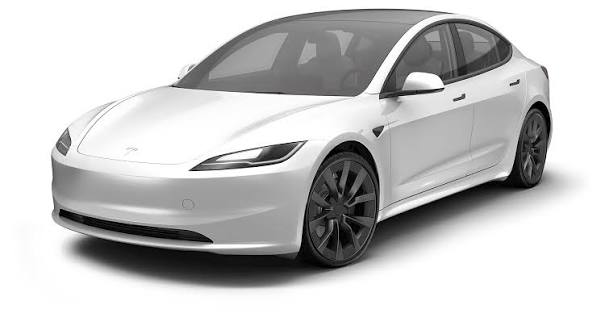
What happens to a Tesla Model 3’s infotainment experience after the initial excitement fades? Think about months spent on real commutes, dealing with parking-lot dead spots, and regular software updates.
For many owners, the game-changer wasn’t simply a new app or theme; it was the refreshed Model 3 “Highland” launch in late 2023 in China and Europe, with North American deliveries set to kick off in early 2024. This launch is significant because owners received not just a new look, but an enhanced infotainment hardware and software experience, featuring a new rear-seat screen and Hardware 4 compute.
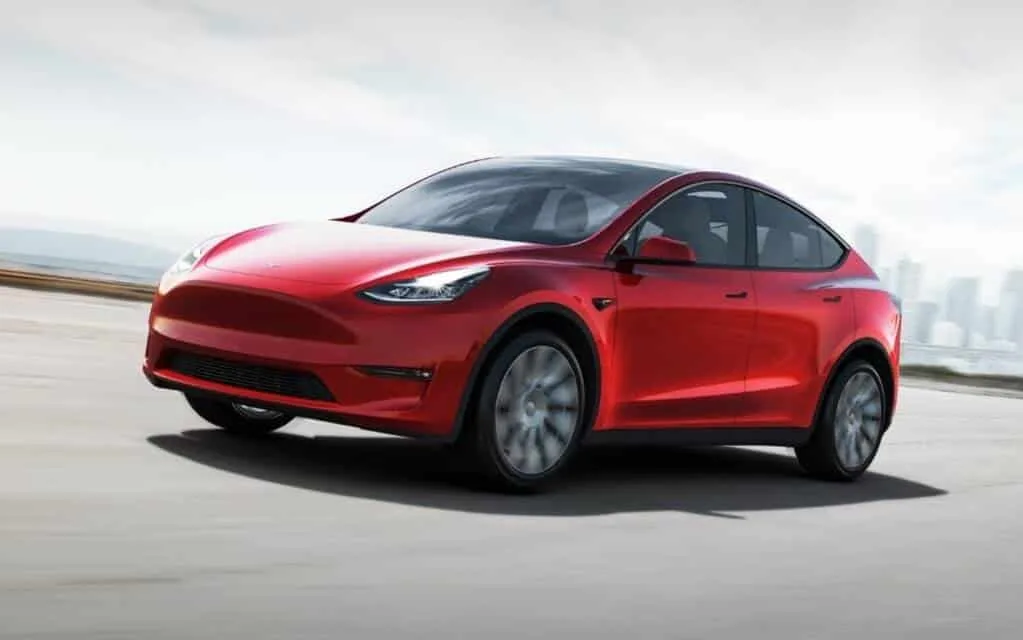
2026: What real ownership feels like with the Model 3’s screen-first cockpit
The Highland-era Model 3 infotainment revolves around a 15.4-inch central touchscreen that controls navigation, climate, media, and vehicle settings. Daily usability hinges on responsiveness, brightness, and how easily you can recover from unexpected menus.
Tesla’s system also employs over-the-air (OTA) software updates, meaning the experience can get better (or occasionally worse) over time without needing a dealership visit. For many buyers keeping an eye on the broader EV tech scene, this becomes the key differentiator for comparing “spec-sheet screens” with long-term ownership—because the software is the product, not just a static interface.
This screen philosophy becomes even more evident with the car’s updated cabin layout. Tesla introduced a secondary 8-inch rear passenger screen with the Highland refresh in 2023, transforming the back seat from a “passive zone” into an interactive infotainment hub.
Under the hood, Tesla’s infotainment operates on a custom AMD-based processor linked to the Hardware 4 compute platform, which debuted during the Highland refresh. Owners generally notice smoother transitions, faster UI behavior, and quicker responses when multitasking.
2024: The first ownership turning point after Highland deliveries begin
When North American owners began receiving the Highland refresh in early 2024, the biggest surprise wasn’t just the upgraded UI; it was how quickly the car evolved into a rolling software platform.
Tesla’s OTA strategy means you can wake up to new menus, revised media behavior, and navigation logic changes without scheduling a service visit. This shifts your mindset about ownership: you’re not just learning where the buttons are; you’re discovering how Tesla evolves workflows.
In real ownership, the touchscreen becomes your main command center. That can simplify things—fewer physical controls and more contextual graphics—but it can also lead to frustration when connectivity or UI loading slows down.
In practical terms, owners rely heavily on muscle memory: knowing where climate shortcuts are, how quickly to return to the media page, and whether the navigation map is usable while driving. For those comparing experiences, Roadshow by CNET’s ongoing reviews of Tesla tech and UX evolution can be a valuable reference when tracking what changes with each software update.
2023 to 2024: Another turning point—rear-screen usability (and family friction)
The Highland refresh didn’t just introduce a rear screen; it fundamentally changed family logistics. The 8-inch rear passenger screen allows passengers to interact with media and climate without taking control from the front driver. This can help reduce arguments on long drives—especially on routes where the front screen is needed for navigation updates—but it also instills a new habit for owners: setting expectations before hitting the road.
The rear screen alters the way you think about “infotainment permission.” Owners who often travel with kids usually care about two main things: how quickly rear-seat inputs register and how easily the system switches between passenger preferences and the main driver’s guidance. These are usability issues, not just graphics concerns, and they only become apparent once the novelty wears off.
For a broader context on how car software affects daily driving, MotorTrend’s coverage serves as useful background reading when interpreting what manufacturers mean by modern infotainment ecosystems: https://www.motortrend.com.
Present day (2026): Hardware + OTA is a moving target, not a fixed app
As of 2026, the ownership reality is clear: the Tesla Model 3 infotainment isn’t “set and done” after delivery. Tesla’s use of OTA to update the infotainment and vehicle software remotely means the UI can feel different over time—even if you didn’t actively change any settings.
This is both a strength (continuous refinement) and a risk (occasional regressions or layout shifts). The Hardware 4-linked AMD-based compute platform that debuted with Highland plays a crucial role here, setting the standard for how smoothly updates can operate.
Here’s the surprising part: the Model 3’s infotainment experience often weighs just as heavily as range when owners discuss satisfaction. Long Range variants offer an EPA-estimated range of around 341 miles (549 km) per charge. While that number can shift based on trim and updates, the key takeaway is that the infotainment system is your interface during charging stops, route planning, and navigation upon arrival.
If you’re curious about performance, the Tesla Model 3 Performance boasts approximately 510 horsepower and about 2.9 seconds to go from 0–60 mph (these figures aren’t fully confirmed for all current trims), yet infotainment usability remains the crucial “quality of life” factor for daily use.
Choose the Model 3 infotainment if you’ll manage software evolution
A Tesla Model 3 infotainment setup works best for owners who treat the car like a subscription-grade tech device. You’ll expect to update, adapt to new layouts, and look forward to improvements over time.
If you’d rather everything remain the same for years, that OTA-driven evolution might feel frustrating—especially when the touchscreen is the primary control surface. For buyers considering their options now, the practical bet is straightforward: prioritize the Highland-era hardware and accept that the interface will keep evolving.
Bottom line: If you’re okay with living through OTA-driven UI changes, the Tesla Model 3’s 15.4-inch screen (plus the Highland’s rear 8-inch) delivers a fast, software-first ownership experience that gets better as it progresses.
FAQs
Is the 15.4-inch screen the only infotainment display on the Model 3?
No, for the Highland refresh, the central system features a 15.4-inch touchscreen, and it also includes the 8-inch rear passenger screen, allowing passengers to use a secondary display.
Do Tesla Model 3 infotainment features require dealership visits?
Nope. Tesla’s approach uses over-the-air (OTA) software updates, letting infotainment and vehicle software update remotely without needing a dealership visit.
What compute hardware powers the infotainment?
The infotainment system runs on a custom AMD-based processor linked to Hardware 4 compute, which debuted with the Highland refresh. Stay tuned for more on Tesla Model 3 infotainment.