SA329 (82.3 ov)
 AUS
AUS AFG177
 ZIM56/3 (9.3/20 ov, target 178)
 SAA0
SAA0 EST0
EST0 SAS
SAS LAZ
LAZ ROMA
ROMA CAG
CAG TOR
TOR COMO
COMO BAN
BAN WI
WI IND-W
IND-W ZIM-W
ZIM-W GOA
GOA SC Delhi
 Milan
Milan Bologna
 Parma
Parma Udinese
 ABH0
ABH0 ALF1
ALF1 PAK110
 SL114/2 (18.1/50 ov, target 111)
 NAM316/7
 IRE253 (44.5/50 ov, target 317)
 NZ198/3
 IND199/4 (13.2 ov)
 SIKM184
 NAGA187 & 46/4 (34 ov)
 JHK131/4 (47 ov)
 DELHI515/5d
 ODSA194
 SVCS13/0 (5 ov)
 BRODA616
 J & K6/0 (4 ov)
 CHD685/5d
 HP49/0 (14 ov)
 CGR216/8 (95 ov)
 AP231
AP231 HYD193/2 (54 ov)
 PNJB431
 KNTKA297/7 (95 ov)
 TPURA194
 KER101/6 (35 ov)
 BENG350
 MAHA278/9 (100 ov)
 GUJ223
 AUCK
AUCK CANT
CANT CD
CD ND
ND DEN
DEN QAT
QAT KENYA
KENYA KUW
KUW POA
POA SPR
SPR BRB
BRB VAG
VAG NED371/5
 OMA265 (49.3/50 ov, target 372)
 JAB113 (19.3/20 ov, target 133)
 KAY132/9
 BIK149 (19.3/20 ov, target 158)
 CHR157/3
 SEEB0
SEEB0 EBFC0
EBFC0 HSV0
HSV0 SGE0
SGE0 RWE0
RWE0 RBL0
RBL0 SGS0
SGS0 FCA0
FCA0 BOC0
BOC0 M050
M050 Venezia
 Inter Milan
 Genoa
Genoa Juventus
 Sevilla2
 Osasuna0
 PSG2
PSG2 Lyon0
Lyon0 Mohun Bagan1
 Chennaiyin0
 BEI2
BEI2 JHM2
JHM2 RCH0
RCH0 KRE0
KRE0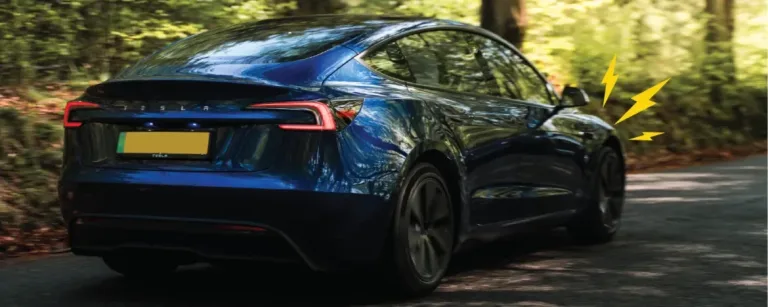
Teslamodel3: When it comes to electric vehicles, range metrics play a crucial role in shaping the ownership experience. Right now, the competition between the Tesla Model 3 and the Hyundai Ioniq 6 is at an all-time high.
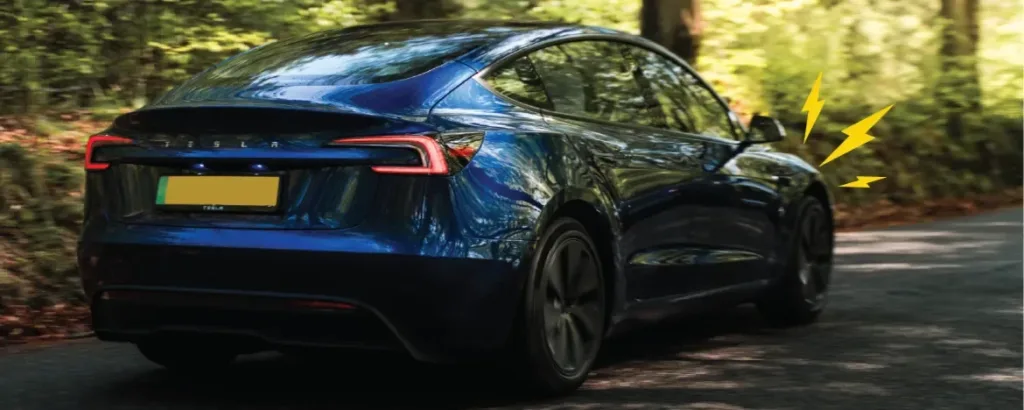
After the Tesla Model 3 “Highland” refresh hit North America in early 2024, following its European launch in late 2023, it set a new standard for efficiency. At the same time, the Hyundai Ioniq 6 Long Range RWD, with its 225 hp (168 kW), has been making waves.
Looking at the numbers, both manufacturers showcase impressive figures that often grab headlines. Yet, the gap between their official ratings can be intriguing.
| Feature | Tesla Model 3 Highland (Long Range RWD) | Hyundai Ioniq 6 (Standard Range RWD) |
|---|---|---|
| EPA-Rated Range | 358 miles (576 km) | 361 miles |
| Max DC Charging | 250 kW | 350 kW |
| Charging Architecture | Reportedly 400V (Estimated) | 800V |
| Starting | $45,990 USD | $38,615 USD |
The Tesla Model 3 (2024 refresh, “Highland”) Long Range RWD boasts an EPA-rated range of 358 miles per charge, which reinforces its reputation for excellent software-driven energy management.
In contrast, the Hyundai Ioniq 6 Standard Range RWD has an EPA-rated range of 361 miles per charge, making it one of the top contenders in its class. Sure, these numbers sound great on paper, but the real-world performance tells a fuller story for potential buyers.
Independent testing reveals how these vehicles perform in different conditions. For example, independent range testing by automotive experts like Bjørn Nyland and the team at Out of Spec Studios frequently shows the Ioniq 6 reaching between 290–310 miles in mixed driving situations. While the Tesla tends to have slightly less range reduction in colder weather, the Ioniq 6 benefits greatly from its 800V architecture. This allows for faster charging at compatible stations compared to the Tesla’s 250 kW peak.
The big question is whether extra range is more important than charging speed. If your daily drive is mostly in the city, range differences might take a back seat to comfort and software experience.
The Model 3 leads in app integration and the reliability of the Supercharger network. However, Hyundai’s competitive pricing and advanced charging architecture make the Ioniq 6 a strong alternative for those who prioritize quick turnaround times on longer trips.
As the quest for efficiency heats up, both platforms are likely to benefit from software updates enhancing battery thermal management. Whether you go for the refined, tech-rich Tesla or the unique, fast-charging Hyundai, you’re stepping into a new era of electric sedans. Tesla Model 3