UDI0
 MIL1
 BAR0
 RMA0
 AZ0
 TWE0
 Mohun Bagan
 Chennaiyin
 PSG
 Lyon
 Sevilla
 Osasuna
 NED
 OMA
 NZ
 IND
 NAM
 IRE
 PAK
 SL
 SA
 AUS
 RSO2
 LEV1
 LEC0
 JUV2
 SUN0
 LEE0
 SCF1
 MUN3
 LIMWn
 NW-W
 NCWmn
 FsWm
 NWEST22/3 (3.1/20 ov, target 181)
 NCAPE180/3
 BOL137/9 (20 ov)
 TITNS137/8
 NZ-A317
 IND-A113 & 106/2 (36 ov)
 SYL280/2 (84 ov)
 KHU
 MYMS465/7d
 CHATT134/2 (40 ov)
 DHA521
 RAJ103/6 (26 ov)
 RAN402
 BAR179/3 (56.1 ov)
 BRB
 MOW
 LUL
 SPR
 TOK
 MEX-W51 (12.5/20 ov, target 187)
 ARG-W186/7
 NGA148
 UGA147/9 (20 ov, target 149)
 GMB112/9
 LES109 (19.5/20 ov, target 113)
 MOZ110/7 (19/20 ov, target 110)
 ZMB109/9
 IND-W328/6
 ZIM-W207 (48.5/50 ov, target 329)
 ENG241
 SCP
 ACV
 LAFC
 LA
 Neftchi Fergana
 Al Ittihad
 Besiktas
 Istanbul BB
 Caykur Rizespor
 Trabzonspor
 AUX1
 MNS1
 ANG0
 LOR0

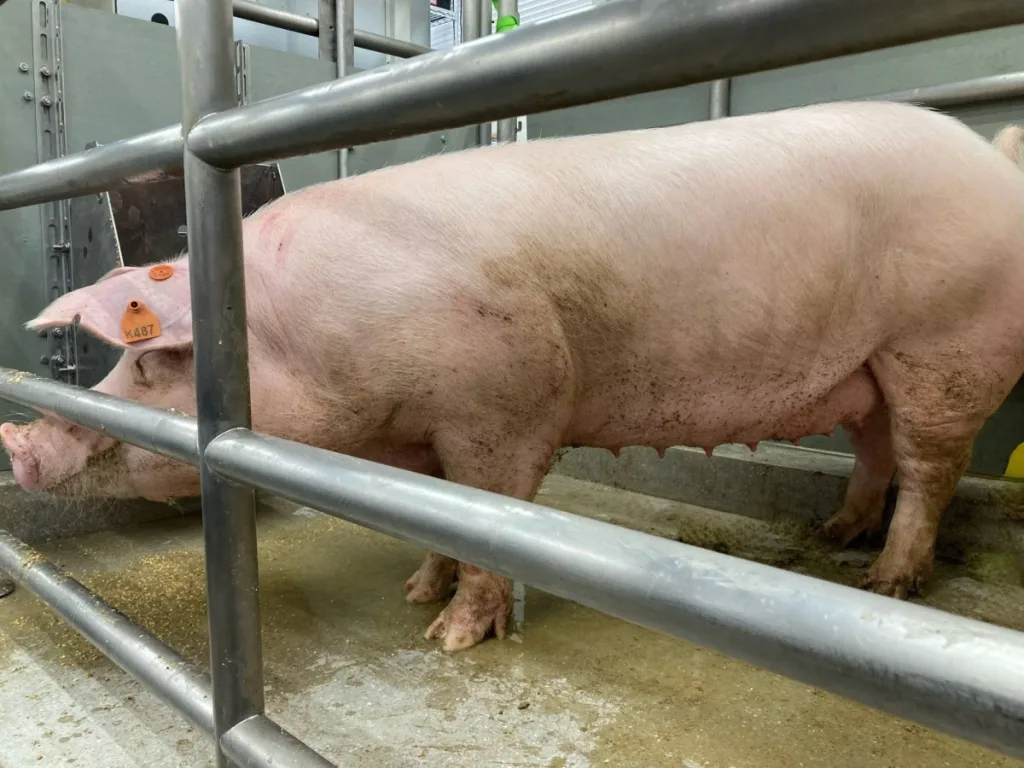
A transplanted pig kidney reportedly still working after nine months inside a human recipient has stunned the transplant community, offering what may be the longest reported functional window yet for a cross-species organ and reigniting hopes for solving the global donor shortage.
Researchers involved in the case reportedly say the recipient is off dialysis and showing stable kidney function, defying early skepticism about how long such grafts could survive.
What milestone did surgeons actually achieve with the pig kidney?
Surgeons at Massachusetts General Hospital transplanted a genetically edited pig kidney into 62-year-old Richard Slayman in March 2024, and the organ reportedly remained functional long after initial expectations. The procedure marked the first live clinical transplant of a porcine kidney into a human patient at the hospital, building on the earlier NYU Langone Health announcement in September 2021 that confirmed the first successful xenotransplantation of a genetically modified pig kidney into a human body.
Slayman’s case became the template for measuring durability. Reportedly nine months of sustained function without rejection would represent the longest stretch any patient has recorded with a gene-edited pig organ to date.
How did eGenesis engineer a kidney the human body would accept?
The breakthrough rests on 69 precise genomic edits developed by eGenesis, the biotech firm co-founded by geneticist George Church. Those edits include the inactivation of three genes that trigger hyperacute rejection when human antibodies encounter pig tissue, alongside modifications designed to reduce inflammation and prevent viral transmission.
Researchers removed sugar markers that the human immune system treats as foreign invaders. Without those knockouts, the organ would fail within minutes. With them, the kidney integrates into human vasculature and filters blood the way a natural organ would, opening a path that earlier World Labs Atlas Unveils research into 3D biological modeling had only theorized.
Why does the reported nine months of function matter so much for transplant medicine?
Sustained function past the six-month mark is a clinical benchmark because most acute rejection events surface within the first 180 days. Surpassing that window signals that the immune system has effectively tolerated the foreign organ, not merely delayed its attack. The previous cardiac xenotransplantation patient at the University of Maryland, Lawrence Faucette, survived only six weeks after receiving a pig heart in 2024, underscoring how fragile these early cases remain.
A kidney reportedly functioning nine months later, with the patient reportedly resuming ordinary activities, suggests the genetic edits are doing real immunological work rather than just buying time under heavy immunosuppression. That durability echoes patient recovery stories Nine Months Later, Kolkata’s own transplant survivor community has followed closely.
What regulatory and safety questions still stand in the way?
The United States Food and Drug Administration has reportedly cleared xenotransplantation clinical trials involving genetically edited pig organs under expanded-access provisions, though full approval for routine clinical use remains pending.
Safety concerns include the theoretical risk of porcine endogenous retroviruses crossing into human hosts, the long-term stability of multi-gene edits, and the ethics of breeding pigs specifically for organ harvest.
Hospitals running trials must also report any unexpected immune reaction, infection, or organ failure to regulators within strict windows. Critics have compared the emerging oversight framework to early gene-therapy rules, which took years to mature into reliable protocols.
What comes next for pig-to-human kidney transplants?
Researchers reportedly expect to enroll additional patients in expanded trials during 2026, focusing on longer survival windows and reduced immunosuppression loads. If the next cohort matches or exceeds the reported nine-month milestone, developers may seek broader FDA authorization by late 2027.
Parallel work on pig hearts and pig livers reportedly continues at multiple US centers, with the eventual goal of building a scalable alternative to human donation. The field is still far from replacing traditional transplants, but each additional month a kidney keeps functioning narrows the gap between experimental medicine and standard care. Like the recent Cloudflare Just Still infrastructure milestone, this result shows what sustained engineering can achieve when given enough runway. More on Transplanted Pig Kidney Still Working af as the story develops.
Related Articles
- New York AI Ban Shocks Educators Across Primary Schools
- Google Rolls Out Voice Features Across Google Gmail Apps
FAQs
Who was the first person to receive a pig kidney transplant?
The first successful xenotransplantation of a genetically modified pig kidney into a human body was announced by NYU Langone Health in September 2021. Richard Slayman, a 62-year-old patient at Massachusetts General Hospital, received a landmark genetically edited pig kidney in March 2024. How many genes were edited in the pig kidney?
eGenesis applied 69 genomic edits, including knockouts of three rejection-triggering genes. Is pig kidney transplantation approved by the FDA? The FDA has reportedly cleared clinical trials and expanded-access use, but routine clinical approval remains under review as of September 2026. How long did the previous pig heart transplant patient survive? Lawrence Faucette survived six weeks after his 2024 cardiac xenotransplantation at the University of Maryland. A transplanted pig kidney reportedly still working after nine months is more than a medical curiosity. It is proof that engineered biology can extend human life in ways that felt impossible five years ago, and the next clinical milestone is now squarely in view.
Was this article helpful?
Your feedback directly improves future articles on this site.