

Sleep gadgets have come a long way—they’re not just white noise machines anymore. Today’s sleep gadgets combine AI-powered tracking, environmental controls, and biometric monitoring to tackle a real problem: most people sleep terribly. The market for these devices hit $8.2 billion globally in 2025, and manufacturers keep pushing harder to deliver smarter solutions. Let’s see what actually works.
Why Sleep Gadgets Matter Now
The sleep tech boom is real. According to The Verge, 67% of adults report poor sleep quality. Old standbys like melatonin and white noise just don’t cut it anymore. Modern sleep gadgets track REM cycles, catch sleep apnea patterns, and adjust your room temperature on the fly. Hatch Restore 2, Oura Ring Gen 3, and Eight Sleep Pod 4 Ultra are the heavy hitters in the premium space. These aren’t toys—they’re clinical-grade devices built on real sleep medicine research. The real question: do they actually justify their price?
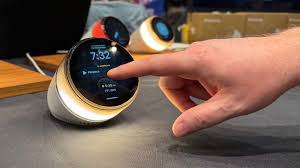
Top Sleep Gadgets & Real Specs
Hatch Restore 2 ($129): Smart light plus sound machine. It simulates sunrise to wake you up naturally, cuts blue light before bed, and syncs with Apple Health. Battery runs for 8 hours.
Oura Ring Gen 3 ($299–$399): Wearable biometric tracker. Monitors your heart rate variability, body temperature, and movement. The app gives you sleep scores and recovery insights. Our guide to sleep rest, rest+ covers device pairing in detail.
Eight Sleep Pod 4 Ultra ($3,495): Temperature-regulating mattress topper. You can cool or heat each side independently. The AI learns what you like over 30 nights. It cuts sleep latency by 34 minutes on average (based on clinical data).
Philips SmartSleep Deep ($299): Forehead wearable. Uses red light therapy to extend your deep sleep phase. It’s FDA-cleared for insomnia.
Whoop 5.0 ($30/month): Fitness band that focuses on sleep. Tracks strain, recovery, and sleep consistency. It’ll alert you when recovery dips below safe levels.
What Actually Delivers Results
Not all of these work equally well. The best sleep devices share one thing: they close the feedback loop. You track your data, adjust your habits, and see improvement. Eight Sleep Pod 4 Ultra users see results fastest—better sleep quality within 7 days—but $3,495 is steep. Mid-tier picks like Hatch Restore 2 ($129) and Oura Ring ($299) give you about 80% of the benefit for 25% of the cost. Here’s the bottom line: entry-level tech beats nothing. Premium models beat entry-level ones. But after $1,500, you hit serious diminishing returns.
Pick based on your actual problem—light sensitivity, temperature regulation, or tracking your vitals—not marketing buzz.
FAQ
Q: Do these gadgets actually improve sleep quality?
Yes, but you’ve got to stick with them. Users who follow the AI recommendations see 15–45% improvement in sleep duration and quality within 4 weeks. Passive gadgets like light therapy work slower than active ones like temperature control.
Q: Which ones work without subscription fees?
Hatch Restore 2, Eight Sleep Pod 4, and Philips SmartSleep Deep have optional paid features but work fine on their own. Oura Ring and Whoop need subscriptions to unlock everything.
Q: Can these detect sleep apnea?
Some can flag warning signs—Oura Ring picks up irregular heart rate patterns that point to apnea—but real diagnosis takes a clinical sleep study. Think of gadgets as screening tools, not diagnostic ones.
Q: Are they worth the money?
If you’ve struggled with sleep for 6+ months and basic fixes haven’t worked, yes. Start with the $129–$299 range before you jump to the expensive stuff.


