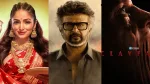
The entertainment industry finds itself once again at the center of a heated cultural representation debate as the trailer for “To the Moon” has triggered significant fan backlash. Viewers have raised concerns about alleged cultural misrepresentation and parallels to problematic Middle Eastern portrayals reminiscent of classic “Aladdin” plotlines. This controversy highlights the ongoing challenges filmmakers face when adapting stories that draw from specific cultural backgrounds.
To the Moon Controversy Breakdown: Key Issues Raised
| Concern Category | Specific Issues |
|---|---|
| Cultural Authenticity | Alleged superficial representation of Middle Eastern culture |
| Casting Choices | Questions about authentic representation in lead roles |
| Narrative Tropes | Comparisons to orientalist storytelling patterns |
| Visual Design | Concerns about stereotypical aesthetic choices |
| Language Use | Potential misuse of cultural terminology |
| Fan Response | Social media backlash and calls for accountability |
| Industry Impact | Broader discussions about Hollywood’s representation standards |
Understanding the Cultural Representation Challenge
The backlash surrounding “To the Moon” reflects a broader pattern in Hollywood where films use cultural imagery and elements without authentic inclusion. This controversy echoes similar criticisms faced by major productions like “Dune,” which was criticized for appropriating Islamic and Middle Eastern tropes while featuring minimal authentic representation in its main cast.

Common Representation Issues:
- Surface-Level Aesthetics: Using cultural visuals without deeper understanding
- Casting Discrepancies: Lack of authentic representation in key roles
- Narrative Orientalism: Falling into exotic “othering” of Middle Eastern cultures
- Community Exclusion: Limited input from the cultures being portrayed
The “Aladdin” Parallel Controversy
Fans have specifically called out similarities to problematic elements from Disney’s “Aladdin” storylines, which have long been criticized for perpetuating Middle Eastern stereotypes. The challenge with conveying different cultures through Western filmmaking is that productions can come dangerously close to cultural appropriation.
The comparison to “Aladdin” raises several red flags:
- Generic Middle Eastern Setting: Vague, non-specific cultural amalgamation
- Exotic Fantasy Elements: Treating real cultures as fantastical backdrops
- Stereotypical Character Archetypes: Relying on outdated cultural caricatures
- Western Gaze Perspective: Viewing Middle Eastern culture through Western lens
Fan Reactions: Social Media Erupts
The trailer release has sparked intense discussions across social media platforms, with hashtags trending as fans express their disappointment and concerns. Many viewers have used phrases like “this is disgusting” to describe their reactions to perceived cultural insensitivity.
Key Fan Criticisms:
- Lack of Authentic Consultation: Questions about cultural advisor involvement
- Perpetuating Harmful Stereotypes: Concerns about reinforcing negative tropes
- Missed Opportunities: Disappointment over potential for genuine representation
- Industry Accountability: Calls for better cultural sensitivity standards

The Broader Industry Context
This controversy occurs within a larger movement demanding authentic representation in Hollywood productions. Filmmakers and critics increasingly scrutinize productions that focus on specific cultural backgrounds while featuring minimal authentic representation.
Recent years have seen similar controversies surrounding:
- “Dune”: Criticized for drawing from Middle Eastern culture without MENA representation
- Disney Remakes: Ongoing debates about cultural authenticity in live-action adaptations
- Animated Features: Questions about consultants and authentic storytelling approaches
What Authentic Representation Looks Like
Successful cultural representation in film requires several key elements that appear to be missing from the “To the Moon” trailer according to critics:
Best Practices Include:
- Authentic Casting: Hiring actors from the cultures being portrayed
- Cultural Consultants: Working with community experts throughout production
- Community Input: Involving cultural communities in story development
- Respectful Storytelling: Avoiding stereotypes and orientalist tropes
- Language Authenticity: Proper use of cultural terminology and context
Learning from Past Successes
Films like Netflix’s “Over the Moon” demonstrate how authentic representation requires attention to cultural details and ensuring emotions are depicted through the appropriate cultural lens. These productions show that commercial success and cultural authenticity can coexist when proper care is taken.
The Path Forward: Industry Accountability
The “To the Moon” controversy represents a critical moment for the entertainment industry to address systemic issues in cultural representation. As audiences become more globally aware and culturally sensitive, the demand for authentic storytelling continues to grow.
Potential Solutions:
- Enhanced Cultural Consultation: Mandatory cultural advisor involvement
- Diverse Creative Teams: Hiring from communities being portrayed
- Community Screening: Pre-release feedback from cultural communities
- Accountability Measures: Industry standards for cultural representation
Impact on Future Productions
This backlash will likely influence how future projects approach cultural representation, potentially leading to more careful consideration of source material and community input during development phases.
For more entertainment industry analysis and cultural representation discussions, explore our comprehensive entertainment coverage and movie industry insights.
Stay updated with the latest entertainment industry news and cultural representation discussions at TechnoSports Entertainment. Follow our movie analysis for in-depth coverage of industry trends.