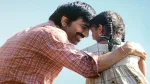
Released on August 15, 2003, Tere Naam gave Bollywood one of its most intense love stories and arguably Salman Khan’s career-best performance as Radhe Mohan. Directed by Satish Kaushik, this cult classic wasn’t just about the iconic hairstyle or tragic romance—it was the raw, emotional Tere Naam dialogues that made audiences cry, laugh, and fall in love with the flawed yet deeply passionate protagonist. Twenty-two years later, these lines still echo in the hearts of millions.
Table of Contents
Tere Naam Movie Quick Facts
| Movie Details | Information |
|---|---|
| Movie Name | Tere Naam (तेरे नाम) |
| Release Date | August 15, 2003 |
| Director | Satish Kaushik |
| Lead Cast | Salman Khan (Radhe Mohan), Bhumika Chawla (Nirjara) |
| Supporting Cast | Ravi Kishan, Sachin Khedekar, Sarfaraz Khan |
| Music Directors | Himesh Reshammiya, Sajid-Wajid |
| Box Office | Moderate Success (Soundtrack: 3M+ copies sold) |
| Awards | 7 wins from 24 nominations (including 8 Filmfare nods) |
| Remake Of | Sethu (1999 Tamil film) |
| Genre | Romantic Tragedy Drama |
Most Iconic Tere Naam Dialogues That Made Us Cry

1. “Sari duniya pyar mein padi hui hai… sirf ek mujhe hi haq nahi hai?… ki main kisi se pyar kar sakun, koi mujhse pyar kar sake… kyun?”
Context: Radhe’s heart-wrenching confrontation where he questions why he alone is denied the right to love and be loved—this emotional outburst showcased his vulnerability beneath the tough exterior.
2. “Main request nahi karta… ek hi baar bolta hoon… aur wo full and final ho jaata hai.”
Context: This powerful declaration established Radhe’s no-nonsense personality—he doesn’t negotiate or repeat himself, his word is absolute and binding.
3. “Yahi toh baat mujhe aapki bahut achchi lagti hai… ki aapko kuch samajh mein hi nahi aata.”
Context: Radhe’s genuine admiration for Nirjara’s innocence—he literally fell in love with her naivety and pure-hearted nature, making this one of Bollywood’s most unique romantic confessions.
4. “Agar number vumber badhvane hain to keh dena mujhse, main karva sakta hoon.”
Context: Radhe’s rowdy yet endearing way of expressing love—offering to use his influence to get Nirjara better grades, showing his willingness to do anything for her.
5. “Gautra ka murabba banayega tu?”
Context: Aslam’s hilarious comeback when Rameshwar asks too many questions about their family lineage—a comedy moment that balanced the intense drama perfectly.

6. “Radhe bhaiya gaye kaam se, bhaiya fass gaye baaman ki ladki ke chakkar mein.”
Context: His friends’ teasing about Radhe falling for a Brahmin girl—capturing the playful camaraderie and showing even the toughest guy becomes soft in love.
7. “Pehle usne ras kaha, phir gul kaha, phir le kaha… is tarah zaalim ne rasgulle ke tukde tukde kar diye.”
Context: Radhe’s poetic and humorous way of describing how someone ate a rasgulla piece by piece—showcasing the film’s lighter moments amid heavy emotions.
8. “Tere naam pe jee lunga, tere naam pe mar jaunga.”
Context: The ultimate declaration of obsessive love that gave the film its title—Radhe’s promise to live and die in Nirjara’s name, foreshadowing his tragic fate.
9. “Mohabbat insaan ko kamzor nahi, mazboot banati hai.”
Context: Radhe’s philosophy that love strengthens rather than weakens a person—though ironically, his own love story challenged this belief tragically.
10. “Maine pyar kiya hai, jurm nahi.”
Context: Radhe defending his love as pure emotion, not a crime—highlighting society’s judgment against his intense, unconventional way of expressing affection.
Why Tere Naam Dialogues Still Resonate Today
The magic of Tere Naam dialogues lies in their raw authenticity. Unlike typical Bollywood romance where heroes deliver polished lines, Radhe Mohan spoke like a real person—flawed, intense, vulnerable, and sometimes irrational. Critics on IMDb praised how these weren’t theatrical dialogues but genuine conversations that reflected actual human emotions.
Salman Khan’s delivery transformed these lines into cultural touchstones. Whether it was the desperate plea for love, the cocky one-liners, or the heartbreaking realization of loss, each dialogue captured a different shade of Radhe’s complex personality. The Pinkvilla compilation notes how fans still quote these lines during emotional moments, proving their timeless appeal.
The Impact on Salman Khan’s Career
Many consider Radhe Mohan to be Salman Khan’s finest performance, with Tere Naam dialogues showcasing his dramatic range beyond the typical action-hero persona. The film earned him 8 Filmfare nominations and changed how audiences perceived his acting abilities. The second half, where Radhe battles mental instability, featured dialogues delivered with such raw emotion that even critics who doubted Salman’s acting prowess were silenced.
The movie’s soundtrack, composed by Himesh Reshammiya and Sajid-Wajid, sold over 3 million copies—becoming 2003’s highest-selling album in India. Songs like “Odhni,” “Lagan Lagi,” and the title track “Tere Naam” perfectly complemented the dialogues, creating an emotional experience that defined early 2000s Bollywood.
FAQs
What is the most famous dialogue from Tere Naam?
The most iconic Tere Naam dialogue is “Sari duniya pyar mein padi hui hai… sirf ek mujhe hi haq nahi hai?… ki main kisi se pyar kar sakun, koi mujhse pyar kar sake… kyun?” This emotional plea where Radhe Mohan questions why he’s denied the right to love captures the film’s tragic essence. Delivered during a vulnerable confrontation with Nirjara, this dialogue showcased Salman Khan’s dramatic depth and remains widely quoted even 22 years after the film’s release. It represents Radhe’s core struggle—a tough guy desperately seeking acceptance for his genuine feelings.
Why are Tere Naam dialogues considered so impactful?
Tere Naam dialogues are impactful because they broke Bollywood’s romantic dialogue formula by being refreshingly real and raw. Unlike polished, poetic lines typical of 2000s cinema, Radhe Mohan spoke like an actual person—flawed, intense, sometimes inarticulate, yet deeply sincere. The dialogues ranged from aggressive one-liners (“Main request nahi karta… ek hi baar bolta hoon”) to heartbreaking confessions, capturing multiple emotional layers. Salman Khan’s powerful delivery, combined with Satish Kaushik’s direction, transformed simple words into cultural touchstones. The film’s tragic storyline—inspired by a real incident—gave these dialogues authentic emotional weight that still resonates with audiences today.