
 SA329 (82.3 ov)
 AUS
AUS SAS2
SAS2 LAZ4
LAZ4 ALS0
ALS0 HIL0
HIL0 ROMA
ROMA CAG
CAG TOR
TOR COMO
COMO BAN
BAN WI
WI IND-W
IND-W ZIM-W
ZIM-W GOA
GOA SC Delhi
 Milan
Milan Bologna
 Parma
Parma Udinese
 Venezia
 Inter Milan
 AFG177
 ZIM140 (19.1/20 ov, target 178)
 ABH0
ABH0 ALF1
ALF1 PAK110
 SL114/2 (18.1/50 ov, target 111)
 NAM316/7
 IRE253 (44.5/50 ov, target 317)
 SIKM184
 NAGA187 & 46/4 (34 ov)
 JHK131/4 (47 ov)
 DELHI515/5d
 ODSA194
 SVCS13/0 (5 ov)
 BRODA616
 J & K6/0 (4 ov)
 CHD685/5d
 HP49/0 (14 ov)
 CGR216/8 (95 ov)
 AP231
AP231 HYD193/2 (54 ov)
 PNJB431
 KNTKA297/7 (95 ov)
 TPURA194
 KER101/6 (35 ov)
 BENG350
 MAHA278/9 (100 ov)
 GUJ223
 MNPR364
 ARP111 & 95/2 (36 ov)
 UAE
UAE OMA
OMA AUCK
AUCK CANT
CANT CD
CD ND
ND DEN
DEN QAT
QAT KENYA
KENYA KUW
KUW POA
POA SPR
SPR NZ198/3
 IND199/4 (13.2 ov)
 NED371/5
 JAB113 (19.3/20 ov, target 133)
 KAY132/9
 HSV0
HSV0 SGE1
SGE1 RWE1
RWE1 RBL0
RBL0 SGS2
SGS2 FCA2
FCA2 BOC1
BOC1 M050
M050 CUA0
CUA0 GIR1
GIR1 EXC0
EXC0 ADO0
ADO0 APN0
APN0 ELC0
ELC0 CF 0
CF 0 CEE0
CEE0 SES0
SES0 ESP1
ESP1 AIK0
AIK0 ELF0
ELF0 Genoa
Genoa Juventus
 Monza
Monza Napoli
 Sevilla2
 Osasuna0
 PSG2
PSG2 Lyon0
Lyon0 Mohun Bagan1
 Chennaiyin0
 SAA2
SAA2 EST0
EST0 BEI2
BEI2 JHM2
JHM2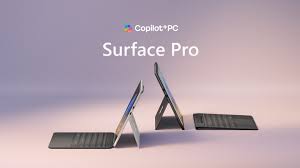
Microsoft has loaded AI into its Surface lineup in a big way—we’re talking 32GB RAM configurations and Windows 11 support through 2026—but getting these next-generation AI devices into customers’ hands is proving trickier than expected.
Competitors like Anker are racing to build custom chips into their products, and Microsoft‘s two-pronged hardware strategy shows the real tension between what the company wants to build and what manufacturing constraints actually allow. That tension will shape Surface’s future for the rest of this year.
How Intel’s Supply Advantage Forced Microsoft’s Hardware Pivot Away from Snapdragon
When Microsoft announced the Surface Laptop 5 on October 12, 2022, Intel’s 12th Gen Core processors seemed like the logical choice for mainstream productivity. Fast forward to April 2026, and that call looks smart—just not for the reasons Microsoft expected. Tom’s Hardware has the details.

Here’s what happened: Qualcomm’s Snapdragon X2 chips are in short supply, creating a real bottleneck. Microsoft had to prioritize Intel-based Surface models first, which means ARM adoption across the consumer lineup got pushed back. It’s a complete reversal from Microsoft’s earlier strategy of going all-in on Snapdragon for mobile-first devices. WhatsApp Plus: Why Users Risk
The Surface Duo 2, launched October 21, 2021 at $1,499, was Microsoft’s bet on Qualcomm’s mobile capabilities. But The Verge has reported that Snapdragon X2 production hasn’t kept pace with demand, forcing manufacturers across the industry to delay ARM-based device launches. Microsoft’s answer? Double down on Intel’s reliable supply chains while Qualcomm ramps up production.
The Surface Pro 9 arrived October 12, 2022 with up to 32GB RAM and 1TB SSD storage. Those specs weren’t random—Microsoft clearly designed these devices to handle AI workloads. That vision is coming true now, but Intel gets there first, Snapdragon second. You won’t read much about this supply-chain reality in the tech press, which usually focuses on performance numbers instead of the manufacturing decisions that actually determine product timelines.
Why This Supply Shift Matters More Than Raw Performance Specs
This shift ripples across Microsoft’s whole ecosystem. Windows 11 will get updates for Surface devices through 2026, Microsoft has promised, but which Surface devices get new AI features first? That depends entirely on chip availability.
Intel-based models will roll out features faster; Snapdragon versions will lag behind. For enterprise buyers and creative professionals—the Surface Studio 2+, announced October 12, 2022 at $4,199, is still the top model—this creates an uneven upgrade path. AI features that were supposed to arrive in 2024 are now rolling out in pieces across the product lineup. Dyson’s New Travel Hair Dryer
Some Surface devices already have full Copilot Pro integration. Others are still waiting for driver and firmware updates that would give them the same capabilities. That gap matters. It shows the disconnect between what Microsoft promises on the AI front and what it can actually deliver across its entire product range.


