SA329 (82.3 ov)
 AUS
 AFG177
 ZIM132/9 (18.3/20 ov, target 178)
 SAS1
 LAZ3
 ROMA
 CAG
 TOR
 COMO
 BAN
 WI
 IND-W
 ZIM-W
 GOA
 SC Delhi
 Milan
 Bologna
 Parma
 Udinese
 Venezia
 Inter Milan
 ABH0
 ALF1
 PAK110
 SL114/2 (18.1/50 ov, target 111)
 NAM316/7
 IRE253 (44.5/50 ov, target 317)
 NZ198/3
 IND199/4 (13.2 ov)
 SIKM184
 NAGA187 & 46/4 (34 ov)
 JHK131/4 (47 ov)
 DELHI515/5d
 ODSA194
 SVCS13/0 (5 ov)
 BRODA616
 J & K6/0 (4 ov)
 CHD685/5d
 HP49/0 (14 ov)
 CGR216/8 (95 ov)
 AP231
 HYD193/2 (54 ov)
 PNJB431
 KNTKA297/7 (95 ov)
 TPURA194
 KER101/6 (35 ov)
 BENG350
 MAHA278/9 (100 ov)
 GUJ223
 UAE
 OMA
 AUCK
 CANT
 CD
 ND
 DEN
 QAT
 KENYA
 KUW
 POA
 SPR
 NED371/5
 JAB113 (19.3/20 ov, target 133)
 KAY132/9
 BIK149 (19.3/20 ov, target 158)
 CHR157/3
 HSV0
 SGE0
 RWE1
 RBL0
 SGS1
 FCA2
 BOC0
 M050
 CUA0
 GIR1
 EXC0
 ADO0
 Genoa
 Juventus
 Monza
 Napoli
 Sevilla2
 Osasuna0
 PSG2
 Lyon0
 Mohun Bagan1
 Chennaiyin0
 SAA2
 EST0
 BEI2
 JHM2
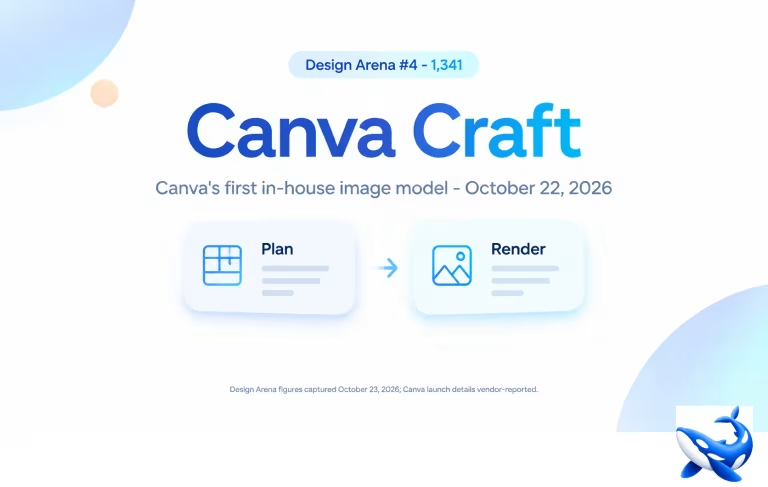
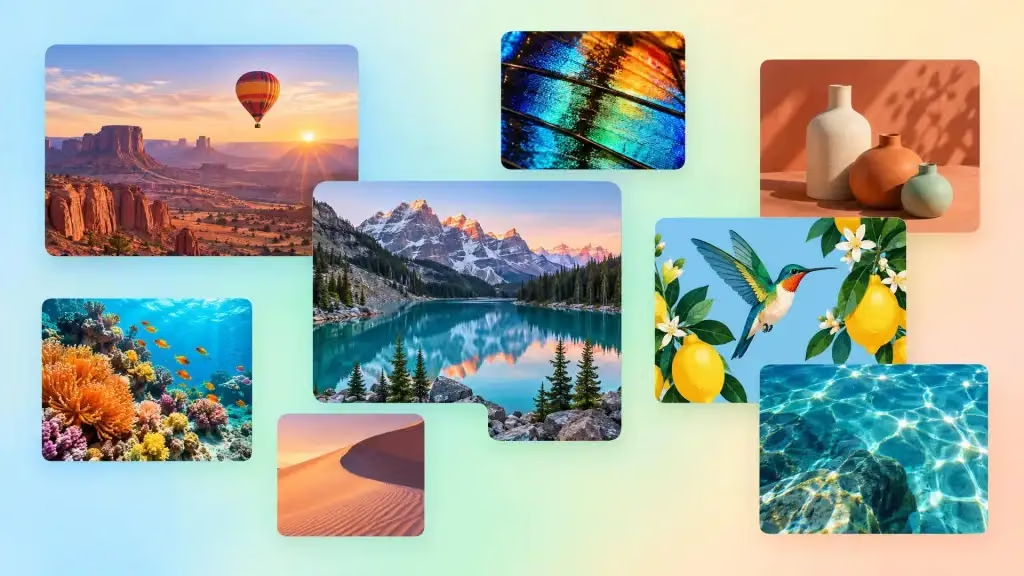
Canva has released Craft, its first in-house image generation model, built for design work rather than photographs. It plans first, then renders, and its output can be turned into editable layered designs. Canva claims it is now the world’s second most advanced AI lab for image generation, which is the company’s own framing.
What Makes Canva Craft Different
Most image models turn a prompt directly into pixels. Craft uses two stages: it first plans the composition, including positions, sizes, visual hierarchy and text, and then renders the image. Canva says it trained on human-made designs from its template library, not mainly on photos.
| Detail | Information |
|---|---|
| Developer | Canva Research, with Leonardo.ai researchers |
| Availability | Globally in Dream Lab and through Canva’s public API |
| Max resolution | 2K |
| Aspect ratios | 30 supported |
| Editing | Output can be converted to layered, editable designs with Canva Magic |
| Coming | Craft-fast and Craft-ultrafast, cheaper and quicker variants with no date |
| Third-party access | Planned for ChatGPT and Gemini via Canva’s MCP integration |
Details are from Canva, ProPakistani and Thurrott.
How Good Is It?
Canva says Craft ranked fourth among image models on DesignArena, a crowdsourced benchmark, behind three OpenAI models. Because the leading lab places several models above it, Canva’s “second most advanced lab” line counts labs, not models. It is a company claim and the leaderboard can shift quickly.
Why Canva Built It
- Cost: Canva has relied on several outside image models, so its own could cut API costs, though it hasn’t disclosed savings.
- Control: It can tune quality and speed for design use.
Read about Canva. More AI news is on TechnoSports.
Frequently Asked Questions
What is Canva Craft?
Canva’s first in-house AI image generation model, built for design.
Where can I use it?
In Canva’s Dream Lab and through its public API. Sources: Canva, TechCrunch, Thurrott, SmartCompany.
Where can I use Canva Craft?
You can use it in Canva’s Dream Lab and through Canva’s public API.