NZ180/5 (20 ov)
 IND
 NAM95/2 (21.1/50 ov)
 IRE
 MOZ
 UGA
 AVL
 MNC
 RAY
 ELC
 GMB
 ZMB
 NGA
 LES
 CAG
 BOL
 COMO
 SAS
 FCA
 FCU
 Ipswich1
 Nottm Forest1
 Alavés1
 Málaga1
 Torino3
 Monza2
 Brest1
 Nice2
 WA
 NSW290/5 (42.4/50 ov)
 DEN
 KUW
 KENYA
 QAT
 SWD-W
 EPR-W
 TTN-W
 WPR-W
 NZ-A135/3 (41 ov)
 IND-A113
 DHA
 RAJ
 MYMS
 CHATT
 RAN
 BAR
 SYL
 KHU
 MEX-W
 ARG-W
 UAE
 NED
 PAK
 ENG
 IND-W
 ZIM-W
 AFG170/3 (34.3/50 ov, target 170)
 ZIM169
 TAS137 (25.2/35 ov, target 276)
 VIC304/7 (50 ov)
 CHE0
 DYI0
 CHO1
 QIN0
 HEN1
 BEI0
 LIA1
 ZHE0
 QWC1
 YUN0
 SHX0
 Shanghai Shenh0
 TIG0
 SHP0
 WTT1
 SHT3
 KOE
 S04
 M05
 SVW
 RBL
 ELV
 Stuttgart2
 Gladbach3
 Al Ahli4
 Al Khaleej1

Why do modern streaming blockbusters increasingly resemble feature films rather than traditional television episodes? Until recently, episodic television relied on self-contained narratives and compressed production schedules to maintain weekly broadcasting cycles.
But the game shifted when Netflix poured massive cinematic budgets into serialized web series. That changed how audiences consume home entertainment. Now flagship streaming properties command resources that eclipse mid-tier Hollywood movies. Creative expectations have shifted permanently, and not just in one market.
Production pipelines for major streaming franchises now mirror blockbuster filmmaking. They lean on advanced virtual production and feature-grade visual effects. Fans tracking How Dune Part Three handles scale will notice similar world-building ambitions in long-form streaming formats. That shift demands extended post-production windows, often stretching across multiple years to ensure cinematic quality on small screens. Here’s the thing: creators no longer compromise on scope. They’d rather keep cinematic fidelity than churn out episodes on a tight schedule.
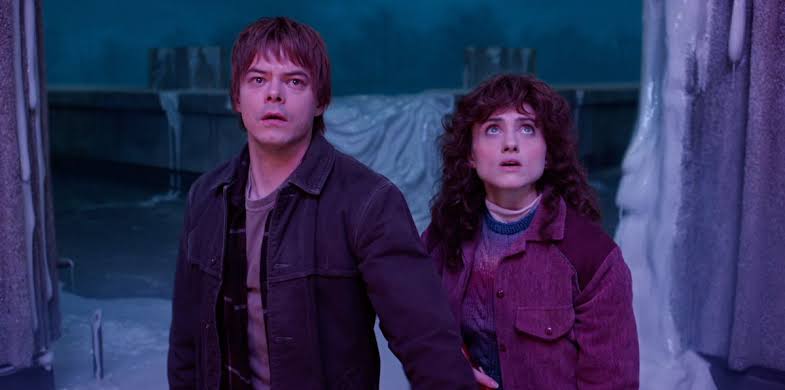
The after-effects of this cinematic convergence are reshaping studio investments across international markets. That influence reaches everything from JTBC’s 2026-2027 Drama Lineup to domestic theatrical offerings like 5 Hindi Releases This week. Audiences now expect theatrical-grade immersion from home viewing devices, so hardware makers keep improving display tech. Meanwhile, Apple and Samsung compete to deliver optimal HDR performance for high-end digital releases. This technical arms race proves that visual storytelling trends are dictated by home viewing standards just as much as theatrical box office returns.
| Era / Phase | Average Episode Budget | Post-Production Window | Primary Visual Focus |
|---|---|---|---|
| Traditional TV | Moderate | 2 to 4 weeks | Practical sets & dialogue |
| Transitional Streaming | High | 3 to 6 months | Hybrid effects & location shoots |
| Modern Cinematic Series | Blockbuster | 12 to 18 months | Virtual production & CGI |
As cinema and streaming keep merging, industry professionals face new financial realities. Balancing inflated budgets with subscriber retention models takes careful planning. It’s a lot like examining how Success Has A Cost: when scaling production values too aggressively. If you prioritize scale and immersive world-building over rapid content delivery, modern streaming blockbusters set the benchmark for what’s next.
Related Articles
- I, Nobody: The Genre-Shifting Thriller Where Prithviraj Sukumaran Becomes the Unexpected Hero—Here’s…
- Behind the Scenes: The Wednesday Season 2 Craft Behind Representation
FAQs
What changed in modern streaming production budgets?
Streaming platforms shifted toward blockbuster-level budgets to compete with theatrical releases. They fund high-end visual effects and extended post-production cycles.
How do cinematic series impact visual effects studios?
Extended post-production timelines let visual effects facilities deliver feature-grade quality. Still, managing tight deadlines across multiple episodes remains a big challenge.
Are traditional television formats disappearing?
Traditional episodic formats still serve daily broadcasting needs. But high-end serialized web series increasingly mimic cinematic storytelling structures.
Was this article helpful?
Your feedback directly improves future articles on this site.