NAM316/7
 IRE229/6 (40/50 ov, target 317)
 SA244/6 (60.3 ov)
 AUS
AUS ABH0
ABH0 ALF1
ALF1 AFG
AFG ZIM
ZIM SAS
SAS LAZ
LAZ ROMA
ROMA CAG
CAG TOR
TOR COMO
COMO BAN
BAN WI
WI IND-W
IND-W ZIM-W
ZIM-W GOA
GOA SC Delhi
 Milan
Milan Bologna
 PAK110
 SL114/2 (18.1/50 ov, target 111)
 NZ198/3
 IND199/4 (13.2/20 ov, target 199)
 NED371/5
 OMA265 (49.3/50 ov, target 372)
 Sevilla2
 Osasuna0
 JER
JER KUW
KUW PNG
PNG QAT
QAT JAB66/5 (10.4/20 ov, target 133)
 KAY132/9
 SIKM184
 NAGA187 & 46/4 (34 ov)
 JHK131/4 (47 ov)
 DELHI515/5d
 ODSA194
 SVCS13/0 (5 ov)
 BRODA616
 J & K6/0 (4 ov)
 CHD685/5d
 HP49/0 (14 ov)
 CGR216/8 (95 ov)
 AP231
AP231 HYD193/2 (54 ov)
 PNJB431
 AUCK
AUCK CANT
CANT CD
CD ND
ND DEN
DEN KENYA
KENYA POA
POA SPR
SPR BIK149 (19.3/20 ov, target 158)
 CHR157/3
 BRB149/5 (16.2/20 ov, target 148)
 MIS147
 MOW107/9
 TOK111/5 (18.4/20 ov, target 108)
 Parma
Parma Udinese
 Venezia
 Inter Milan
 Genoa
Genoa Juventus
 PSG2
PSG2 Lyon0
Lyon0 Mohun Bagan1
 Chennaiyin0
 BEI2
BEI2 JHM2
JHM2 RCH0
RCH0 KRE0
KRE0 DHC0
DHC0 VIS1
VIS1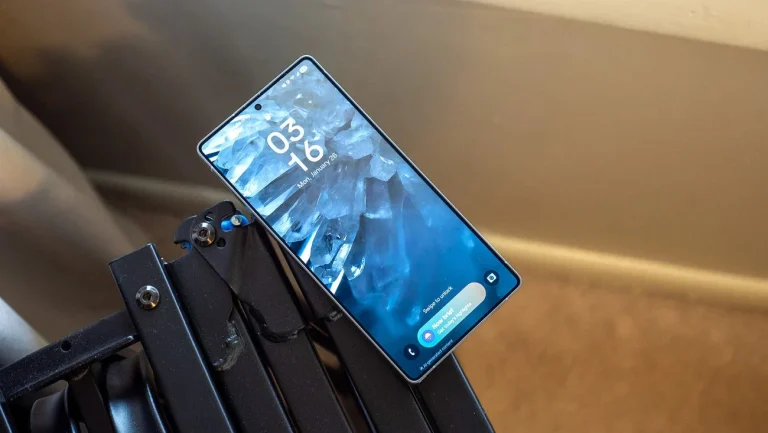
Most folks swap out their phones every couple of years, but even a single scratch on your screen can ruin the experience way sooner. Picking the right screen protector for your smartphone in 2026 isn’t simple anymore. There are dozens of choices, plus new things to consider like curved edges and in-display fingerprint sensors. Let’s break down what really matters.
What Matters Most When Picking a Smartphone Screen Protector
Not every screen protector does the same job. The Indian market’s packed with choices: tempered glass, hydrogel, PET film, privacy coatings, blue-light filters — and every brand claims theirs is the best. But here’s the thing: the latest phones in 2026, including the Samsung Galaxy S26 Ultra and OPPO’s IP69K-certified models, come with complex curves, ultrasonic fingerprint readers, and ultra-slim bezels.
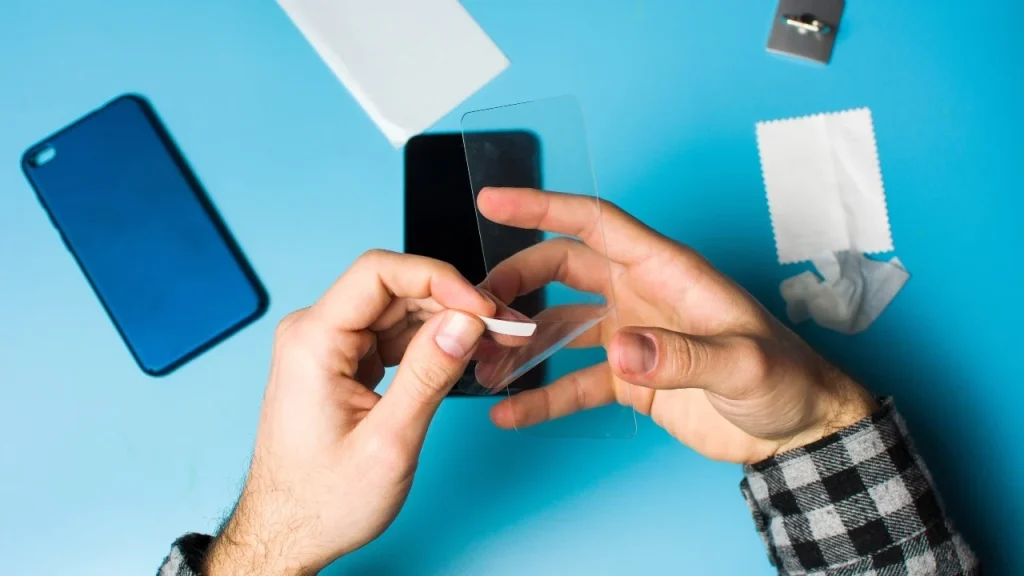
So, just grabbing any random glass protector won’t guarantee a perfect fit or smooth touch. If you want strong drop protection, tempered glass still leads the way. But hydrogel’s become the top choice for those edge-to-edge curved screens, covering every bit (even on those “waterfall” displays). PET film? It’s affordable, sure, but scratches and yellows fast. And don’t believe claims about being “unbreakable” — even the toughest glass can shatter with one bad fall.
Installation trips up a lot of people. Air bubbles, dust, and crooked alignment are the biggest headaches, according to Android Authority. If you’re nervous about doing it yourself, grab a kit with a guide frame. For more help, check out our Install Ultimate Guide for step-by-step advice.
Comparing Smartphone Screen Protector Types: Which Specs Actually Matter?
Let’s skip the jargon and look at how the main types compare for 2026’s latest phones:
| Type | Protection | Touch Sensitivity | Best For | 2026 Price (₹) |
|---|---|---|---|---|
| Tempered Glass | High (9H-rated) | Excellent | Flat & gently curved screens | 200–800 |
| Hydrogel | Moderate | Very High | Full-curve, in-screen sensors | 250–1000 |
| PET Film | Low | Good | Budget, backup | 50–200 |
Privacy screen protectors now narrow viewing angles down to about 60 degrees, but they’ll make your display 10-15% dimmer. Blue-light filtering is everywhere, but whether it really helps your eyes is still up in the air—just ask the experts at XDA Developers. So, try to find the right mix of safety, clarity, and comfort — especially if you’re eyeing new releases like the OPPO IP69K Smartphone.
Here’s something to remember: do you actually need the priciest one? Unless you’ve got a foldable or a super-premium flagship phone, a mid-range tempered glass or hydrogel protector usually does the job just fine.